
Many aircraft owners in the Chicago area already work with a trusted automotive detailer, and it is natural to ask whether the same provider can care for an aircraft. Skill and attention to detail carry over. What does not carry over automatically is familiarity with aircraft-specific materials, airport ramp procedures, access requirements and the insurance questions that come with working on an aircraft.
This guide explains the practical differences between aircraft detailing and automotive detailing, and closes with a checklist of questions any owner or operator can use to evaluate a provider—whoever they are.
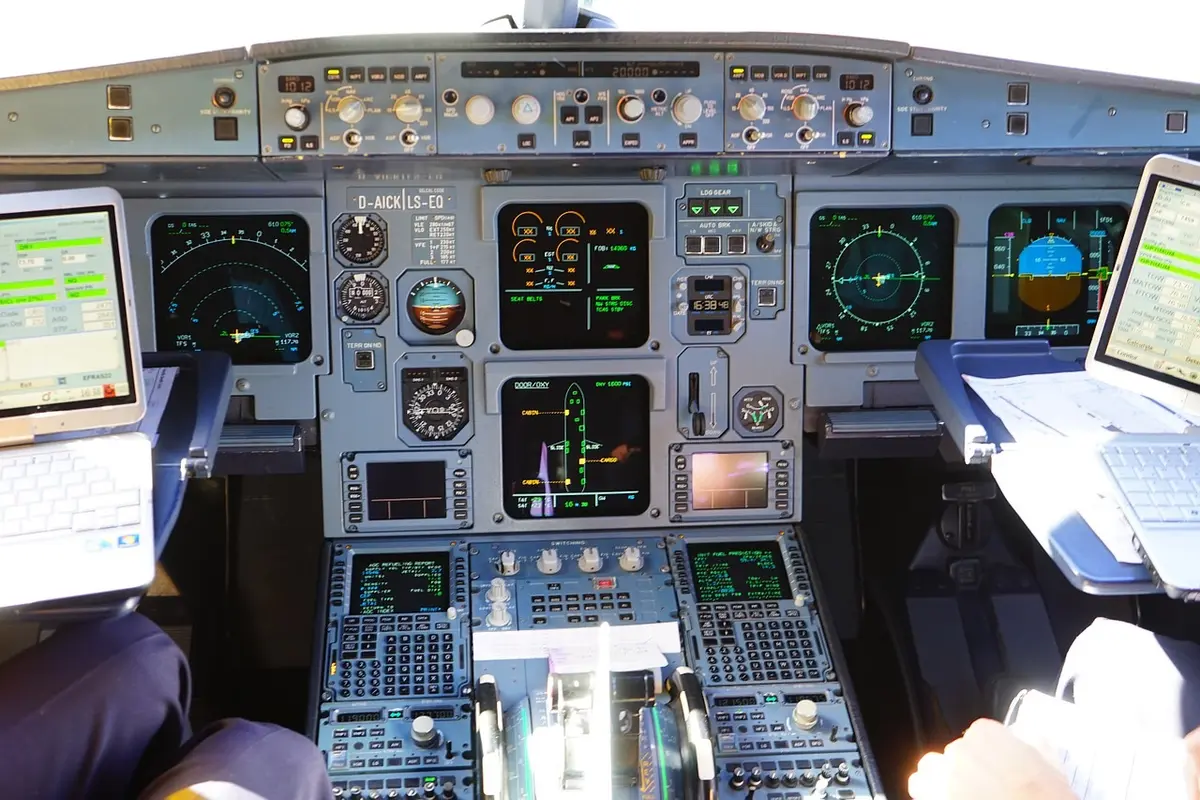
Aircraft Detailing vs. Auto Detailing
Both trades involve cleaning, correcting and protecting surfaces, and many automotive detailers do excellent work. The difference is context. An aircraft combines acrylic windows, painted and bare-metal skins, composite structures, specialized cabin materials and sensitive openings and components, and it is usually parked on an airport ramp or in a hangar governed by the airport, FBO or hangar operator.
Experience in automotive detailing does not, by itself, establish aircraft-specific procedures or airport qualifications. That is not a judgment about any individual detailer—it simply means an owner should ask aircraft-specific questions before hiring anyone, including an aviation detailer.
Aircraft Windows and Surface Compatibility
Most general aviation and business aircraft windows are acrylic rather than glass, and acrylic scratches and reacts to chemicals differently than automotive glass. The FAA's Advisory Circular 43.13-1B includes guidance on the care and cleaning of plastic (acrylic) windshields and windows, and aircraft and window manufacturers may publish their own instructions. Glass cleaners and techniques that are routine on a car are not automatically appropriate for an aircraft window.
The same principle applies to paint, bare and polished metal, composites, rubber, sealants and cabin materials. Products and methods should be selected for the specific surface and used according to the product manufacturer's instructions and any aircraft-specific guidance from the owner, operator or manufacturer. Our exterior detailing and interior detailing services follow that approach.
Sensitive Aircraft Areas
Aircraft have openings, sensors and components that a detailer should not spray into, block, cover, adjust or otherwise manipulate unless the aircraft's owner, operator or manufacturer instructions call for it. In the cockpit, avionics, switches and displays call for a careful, low-moisture approach rather than spraying liquids directly onto surfaces.
A detailer's role is to identify these areas, avoid or protect them as instructed, and ask when unsure. It is not a detailer's role to diagnose, test or give advice about aircraft systems. Questions about those areas belong with the aircraft's maintenance provider.
FOD and Airport-Ramp Procedures
Foreign object debris (FOD)—any object in the wrong place in the airport environment that could damage aircraft or injure people—is recognized by the FAA as an airport safety hazard. The FAA's Foreign Object Debris program and Advisory Circular 150/5210-24A describe how airports approach FOD prevention, detection and removal.
For a detailer, that translates into practical habits: accounting for tools, towels, bottles and supplies before and after work; securing materials so wind or prop wash cannot move them; cleaning up the work area; and following the ramp rules of the facility where the aircraft is parked. Owners should ask any provider how they handle tool and material accountability rather than assume it.
Airport and FBO Access
Access rules differ by airport, FBO, hangar and operator. Some facilities require vendor registration, insurance documentation, escorts or advance scheduling; others leave arrangements to the aircraft owner or operator. A provider should be able to explain how they coordinate access for the specific location, and owners should confirm the facility's requirements before service is scheduled. The Polished Hare coordinates access with the FBO, hangar operator or aircraft contact before each service and follows the procedures of the facility.
Insurance and Certificates of Insurance
Insurance is one of the most useful questions to ask any provider. Coverage terms vary by policy, so owners and operators should verify that a provider's insurance applies to the proposed aircraft work and the location where it will be performed, and request a certificate of insurance (COI) when the aircraft owner, FBO or hangar operator requires one.
The Polished Hare is insured and bonded, and we can provide a certificate of insurance when an owner, operator, FBO or hangar requires one.
Detailing vs. Maintenance
Aircraft detailing is appearance and surface care. It is not an airworthiness inspection, mechanical maintenance, avionics work, leak testing, or a return-to-service determination. If a detailer notices something that looks unusual during service, the appropriate step is to document it and let the owner or operator refer it to certificated maintenance personnel.
What to Ask Before Hiring an Aircraft Detailer
Whether you are considering an automotive detailer or an aviation detailer, these questions help clarify how the work will be done:
- •Is the provider insured for aircraft work at this location?
- •Can they provide a certificate of insurance when the owner, FBO or hangar requires one?
- •How do they select products and methods for aircraft windows, paint, metal and cabin materials?
- •How do they control tools, materials and FOD on the ramp or in the hangar?
- •How do they coordinate airport, FBO or hangar access?
- •Do they document the aircraft's condition before and after service?
- •What work do they leave to certificated maintenance personnel?
You can read more about our team, credentials and process on our About page.