
Training aircraft work harder than almost any other aircraft on the field. They fly many short sorties a day, carry a steady rotation of students and instructors, and spend much of their time on the ramp between lessons. Keeping a training fleet clean is less about one big detail and more about a practical rhythm: what gets done between flights, what gets done on a schedule, and when an aircraft needs a deeper reset.
This guide covers how flight schools and training operators can plan that rhythm. If you are looking for a recurring fleet-care provider, see our flight school fleet care program.
Why Training Aircraft Need a Different Cleaning Rhythm
A privately owned aircraft may carry the same few people for months. A trainer may carry dozens of different occupants in a week. That turnover shows up quickly:
- •Fingerprints and skin oils on touchpoints, handles, and seat surfaces
- •Dust, grass, gravel, and mud tracked in from the ramp and tie-down area
- •Food and drink residue, wrappers, and forgotten personal items
- •Bugs and exhaust residue building up on the exterior from frequent pattern work
The goal of a fleet cleaning plan is consistency: every student and instructor steps into an aircraft that looks cared for, and no single aircraft drifts far behind the rest of the fleet.
Build a Cleaning Schedule Around Aircraft Utilization
There is no universal interval that fits every school. A useful schedule separates two kinds of work:
- •Between-flight housekeeping: quick tasks staff or instructors can do as part of the post-flight routine
- •Scheduled professional cleaning: interior and exterior work planned at a frequency that matches how the aircraft is used
How often each aircraft needs professional cleaning depends on its flight hours, the number of different occupants, the season, where it is parked, and the school's own presentation standards. High-utilization trainers usually need attention more often than a lightly used complex or multi-engine aircraft in the same fleet. Start with an estimate, then adjust based on the condition you actually see.
High-Touch Cabin Areas
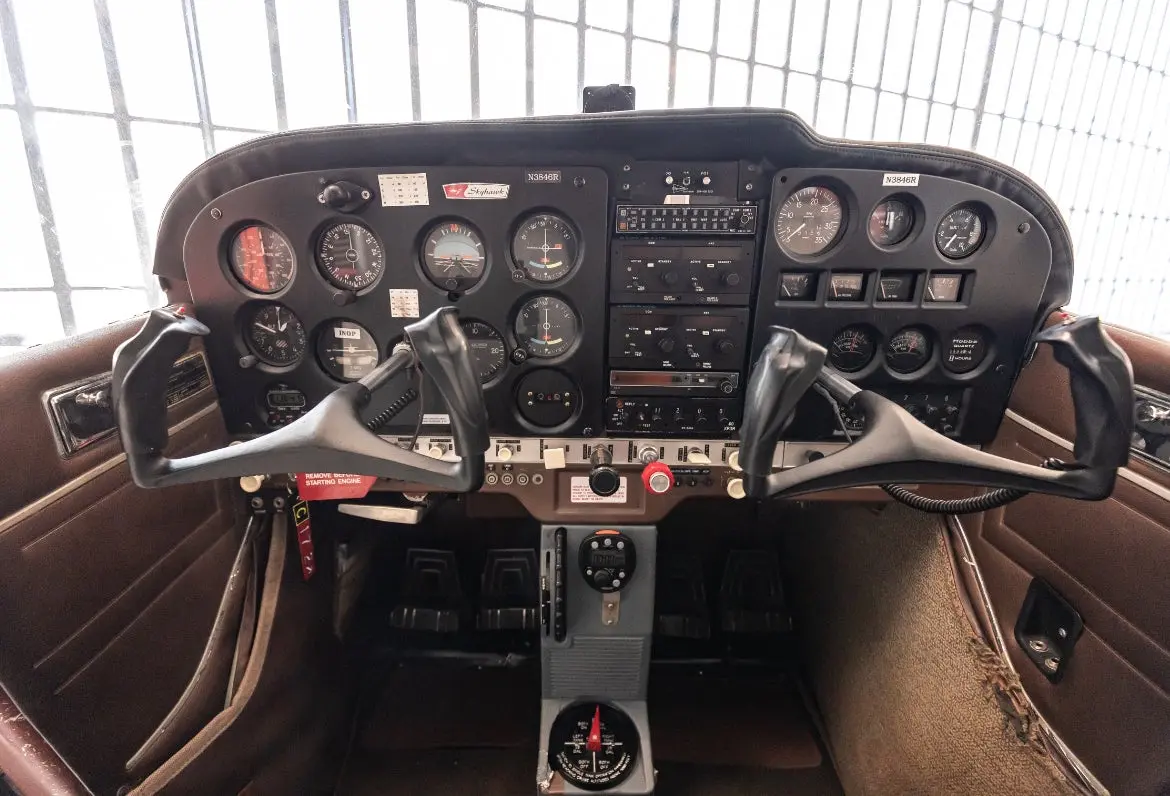
In a trainer, the same surfaces are touched on every flight. These are the areas that show wear and soiling first:
- •Seat surfaces, armrests, and seat belts
- •Door handles, grab handles, and window latches
- •Sidewalls, vents, and interior trim panels
- •Floor areas and rudder-pedal wells, where debris collects
Yokes, control surfaces inside the cockpit, and instrument screens need a lighter touch. Liquids should never be sprayed onto the panel or near avionics, and cleaning should stay within cosmetic detailing boundaries—nothing that involves removing, adjusting, or servicing equipment. Cleaning improves how the cabin looks and feels; it is not a substitute for maintenance, and we do not make disinfection claims.
Carpet, Upholstery, Stains and Odor
Carpets and upholstery in training aircraft absorb a lot: tracked-in dirt, spills, and the everyday odors of a busy cabin. Depending on the material, professional interior work can include vacuuming, carpet extraction, spot treatment of stains, and cleaning or conditioning of vinyl, fabric, or leather seats. Methods are chosen for each material, and results depend on the stain and how long it has been there. Our aircraft interior cleaning page explains what that work involves. Torn or damaged materials still need repair by an interior shop.
Exterior Cleaning for High-Use Trainers
Trainers that fly many takeoffs and landings a day pick up bugs on leading edges and windscreens, exhaust residue along the cowling and belly, and grime from ramp and environmental exposure. Left too long, that buildup becomes harder to remove.
Rinseless and low-water procedures are selected to minimize runoff and are adapted to airport, FBO, hangar and environmental requirements at the work location. Products are chosen for aircraft paint, windows, and trim. See aircraft exterior detailing for details on exterior scope.
Schedule Work Around Dispatch
A trainer being cleaned is a trainer that is not flying, so timing matters. Many schools schedule professional cleaning for evenings, early mornings, weather days, or other low-utilization windows, and rotate through the fleet a few aircraft at a time rather than all at once. Share your dispatch schedule when planning the work so cleaning can be sequenced around it. Some tasks, such as deeper interior work, may take an aircraft out of the rotation for a period, and that time should be planned for rather than assumed away.
What Flight-School Staff Can Handle Between Professional Services
Simple housekeeping between flights keeps professional cleaning focused on the work that needs it. Reasonable staff tasks include:
- •Removing trash, wrappers, and personal items after each flight
- •Shaking out or vacuuming floor mats where the school permits it
- •Wiping accessible touchpoints with products the school has approved for its aircraft
- •Logging spills, stains, or odors so they can be addressed at the next scheduled service
Stain extraction, exterior washing, and anything around sensitive cockpit areas are better left to appropriately equipped detailing personnel. Anything that looks like a mechanical issue belongs with the school's maintenance provider, not the cleaning routine.
When a Training Aircraft Needs a Deeper Reset
Even with a good routine, some aircraft need more than a scheduled clean. Signs it is time for a deeper interior and exterior reset include:
- •Visible soiling, stains, or odor that routine cleaning no longer removes
- •Exterior contamination that has been left to build up
- •A seasonal change, such as the end of bug season or the end of winter
- •An open house, discovery-flight event, or an aircraft joining or returning to the fleet
Recurring Fleet-Care Programs
For schools that would rather not manage all of this in-house, a recurring fleet-care program puts scheduled cleaning on a predictable rotation. Scope is set by the number and type of aircraft, how heavily each one flies, the mix of interior and exterior work, where the aircraft are parked, and the access rules at the airport.
The Polished Hare's mobile team works at Chicago-area airports including DuPage (DPA) and Aurora Municipal (ARR), where flight training is part of daily operations. Learn how recurring service works on our flight school fleet care page, or compare all services.
Related Services
Flight School Fleet Care · Aircraft Interior Cleaning · Aircraft Exterior Detailing · Compare All Services
A clean training fleet comes from a consistent routine planned around how the aircraft fly. Request a fleet-care quote or browse more aircraft detailing insights.