Aircraft ceramic coating is one of the most discussed exterior-protection options for owners and operators. It can make an aircraft easier to keep clean and help maintain its appearance, but it is not a cure-all, and results depend heavily on paint condition, preparation, cure conditions, the specific product and the aftercare that follows.
This guide explains what ceramic coating can and cannot do, how preparation and cure affect the outcome, how warranty terms work, and what to ask before coating an aircraft.
Looking to book aircraft ceramic coating in Chicago? View our Aircraft Ceramic Coating service.
What Aircraft Ceramic Coating Is
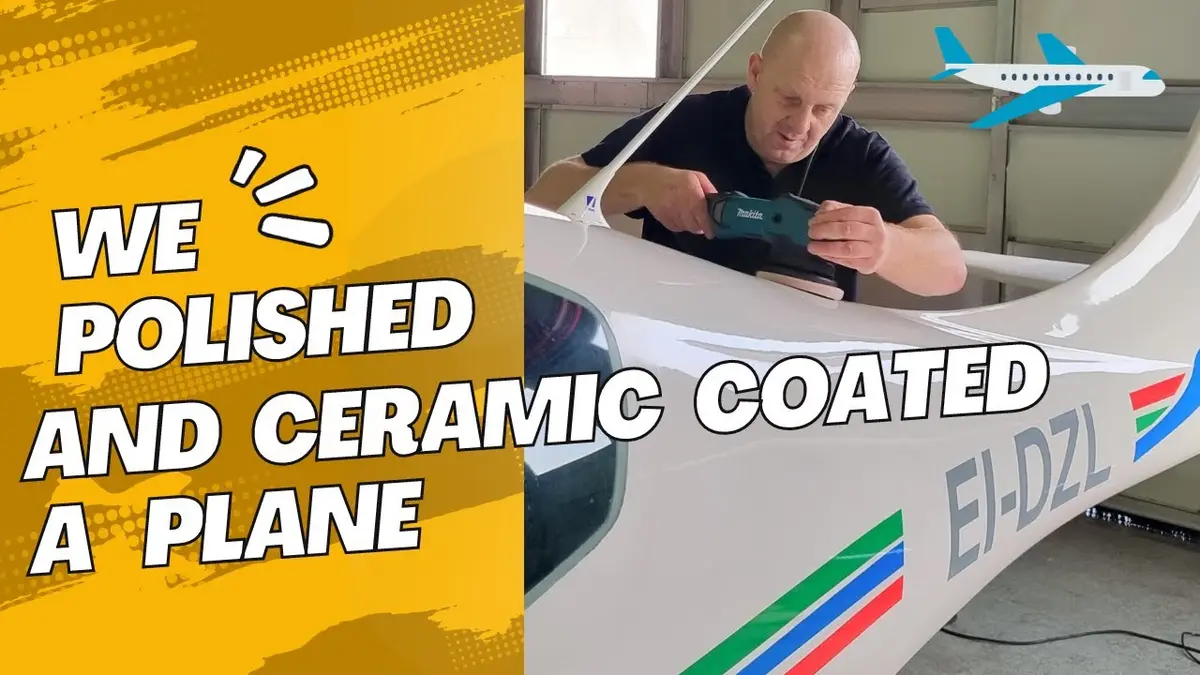
A ceramic coating is a professionally applied liquid coating that cures on a properly prepared painted surface to form a thin, hard, hydrophobic layer. Unlike a wax or sealant that sits on top of the finish and wears away relatively quickly, a coating is designed to bond to the prepared surface and last longer between applications. How long it lasts is product-specific and depends on how the aircraft is flown, stored and washed.
What Ceramic Coating Can Help With
- •Hydrophobic behavior: water and many routine contaminants bead and release more easily from the surface.
- •Easier routine cleaning: exhaust residue, bugs and environmental grime tend to come off with less effort during regular washes.
- •Gloss and appearance: a coated finish can help the paint keep its gloss between details.
- •Surface protection: within the scope the product manufacturer documents, such as resistance to UV-related fading and some chemical contaminants.
What Ceramic Coating Does Not Do
Setting realistic expectations matters. A ceramic coating does not:
- •Stop rock chips, impact damage or scratches
- •Remove existing scratches or repair failing, peeling or degraded paint
- •Prevent every chemical or environmental effect on the finish
- •Guarantee a higher resale value
- •Guarantee drag reduction or fuel savings
- •Replace regular washing and aftercare
- •Replace aircraft inspection or maintenance
Paint Condition and Surface Preparation
A coating locks in the condition of the surface underneath it, so preparation largely determines the result. Preparation typically starts with a thorough wash and decontamination through exterior detailing. Where oxidation, swirls or haze are present, paint correction may be appropriate before coating; some product warranties also require machine polishing before application.
Paint that is peeling, cracking or otherwise failing should be assessed before any coating is considered. Coating is not a substitute for paint repair or refinishing.
Application, Cure and Scheduling
Coatings are applied panel by panel and need time to cure. Cure requirements vary by product, temperature, humidity and the scope of the job, and many products need a covered or controlled environment such as a hangar while they cure. Hangar availability, access and scheduling should be confirmed with the FBO or hangar operator before the job is booked. There is no single application or cure time that applies to every aircraft; ask for a timeline based on the aircraft, its condition and the product being used.
Exterior vs. Interior Ceramic Protection
Exterior paint ceramic coatings and interior protection for leather, vinyl or fabric are separate products with different application scopes. A coating formulated for exterior paint is not simply applied to cabin materials. If your interest is the cabin, start with interior detailing and discuss which protection products suit the specific materials in your aircraft.
Warranty and Product Terms
Ceramic coating warranties are product-specific and conditional. Warranty eligibility and term depend on the installed product, aircraft use, installer eligibility, registration and required maintenance. Review the applicable manufacturer's terms for the specific application.
The Polished Hare uses System X coating products. System X publishes its aviation packages, aircraft warranty terms and testing information. The current aircraft terms, for example, tie coverage to application by a certified installer, machine polishing before application and periodic inspection or service, exclude aircraft used for commercial purposes, and list exclusions such as hard-water spots, deicing-related damage, exhaust and fueling areas and pre-existing damage. Terms can change, so review the current version for your aircraft.
Questions to Ask Before Coating an Aircraft
- •Which product will be used, and is it intended for this aircraft surface?
- •What preparation is required, and is paint correction recommended?
- •Is the paint in suitable condition to coat?
- •What cure conditions and hangar time are required?
- •Which warranty, if any, applies to this aircraft and how it is used?
- •What aftercare and periodic service does the product require?
- •Which surfaces are excluded from the coating?