
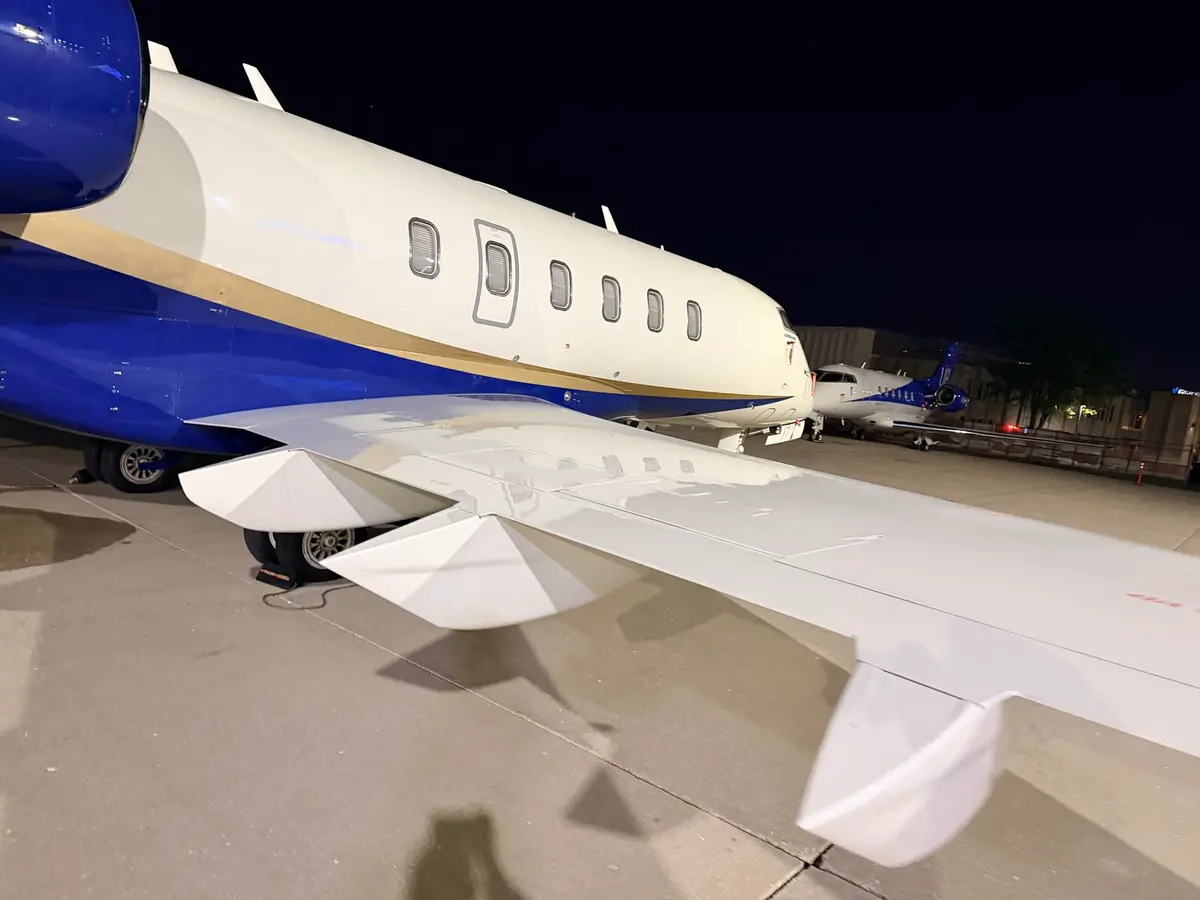
This Challenger 350 interior project at Chicago Executive Airport focused on a Level 2 cabin and cockpit detail with targeted carpet extraction and lower-seat leather correction. The aircraft did not need a full exterior detail — exterior-side windows were completed outside, and the real work was inside the cabin, where small neglected areas can quietly drag down the feel of an otherwise premium aircraft.
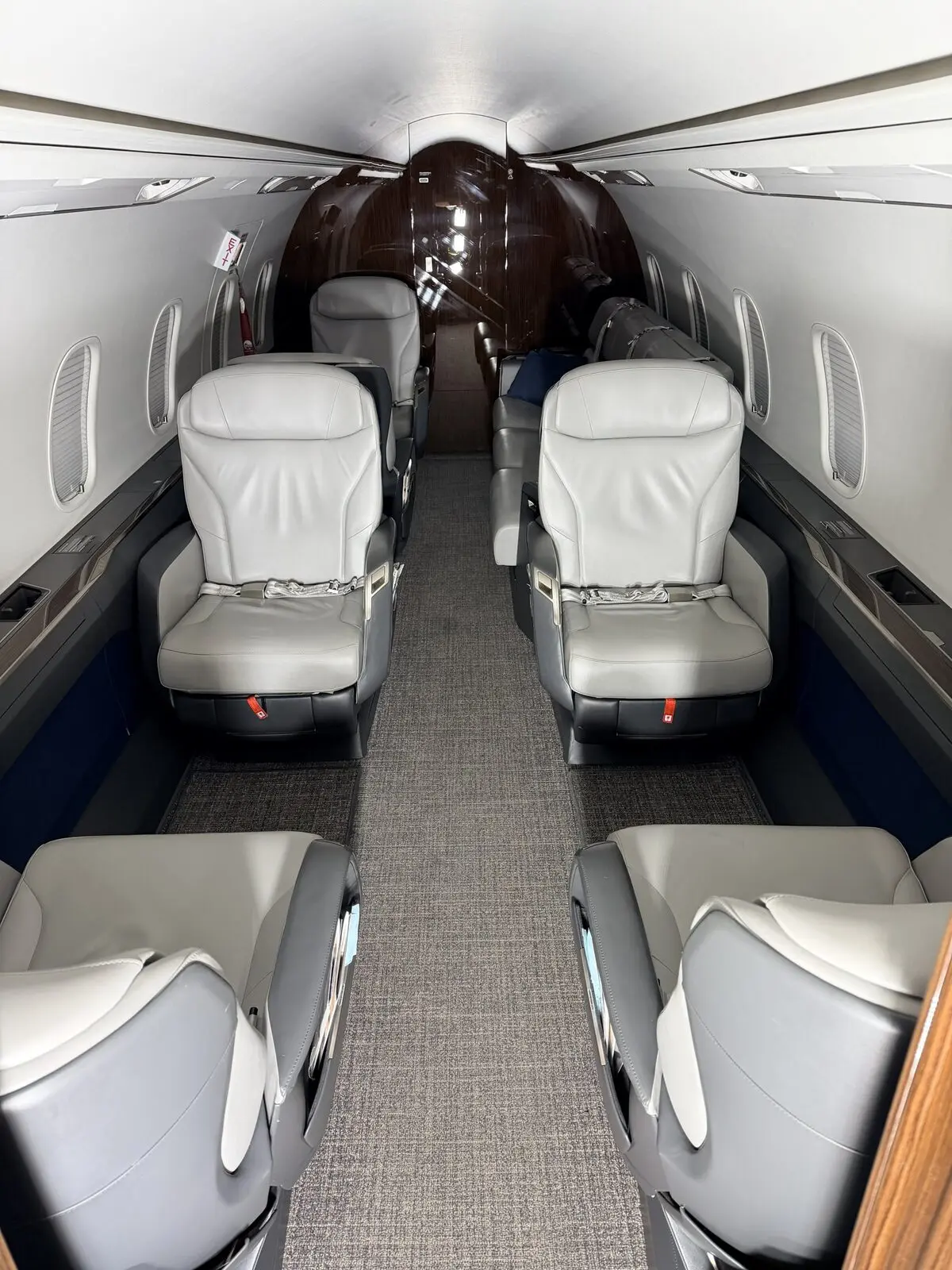
The Challenger 350 cabin is built for range, comfort, and passenger movement. It gives owners and operators a wide, polished cabin experience, but it also creates many detail-sensitive areas: removable carpet sections, seat bases, side ledges, fold-out tables, lower leather panels, galley surfaces, lav areas, and cabin panels. The job was to restore the presentation standard without disrupting the operator's movement through the FBO schedule.
Initial Condition
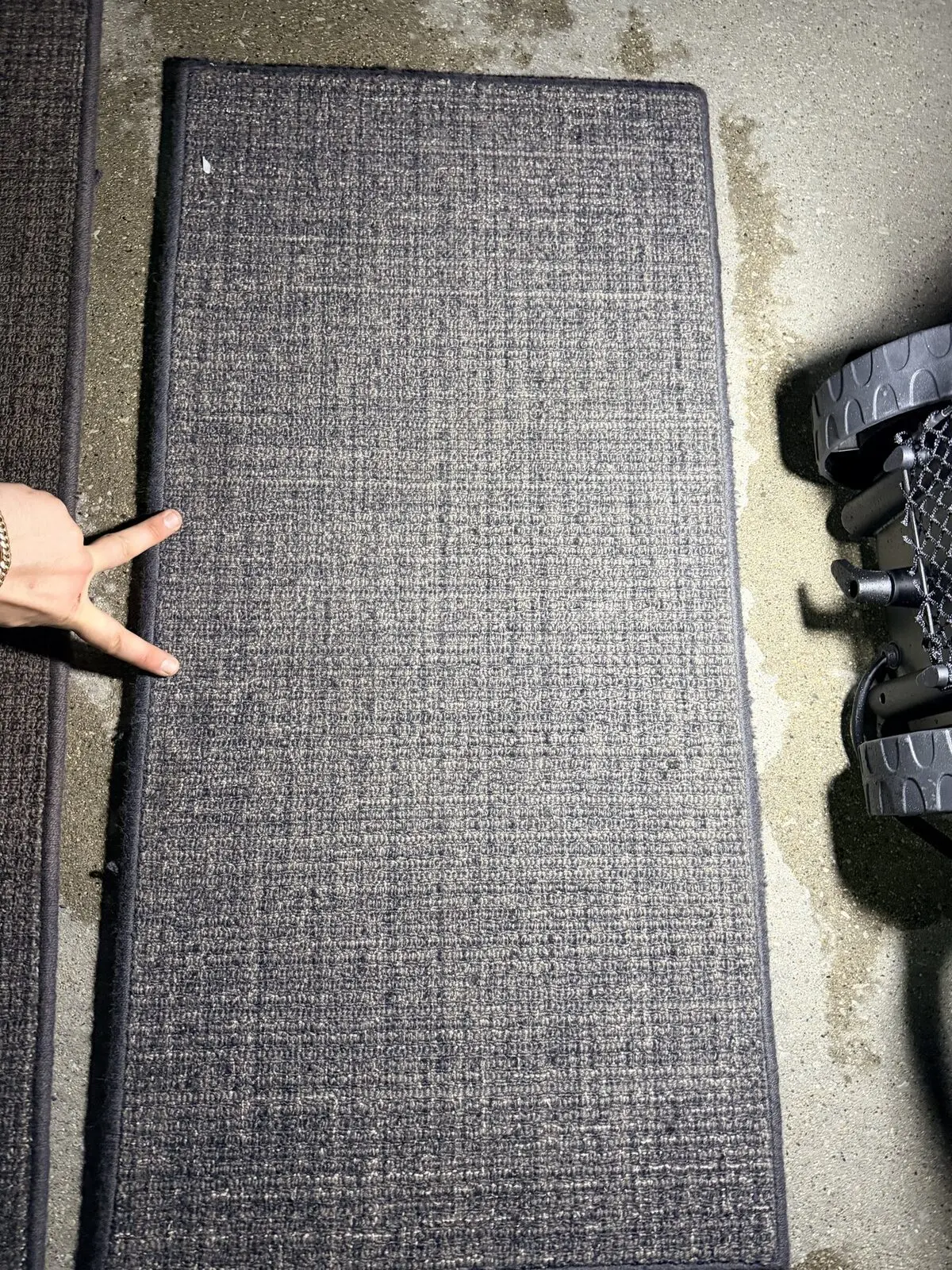
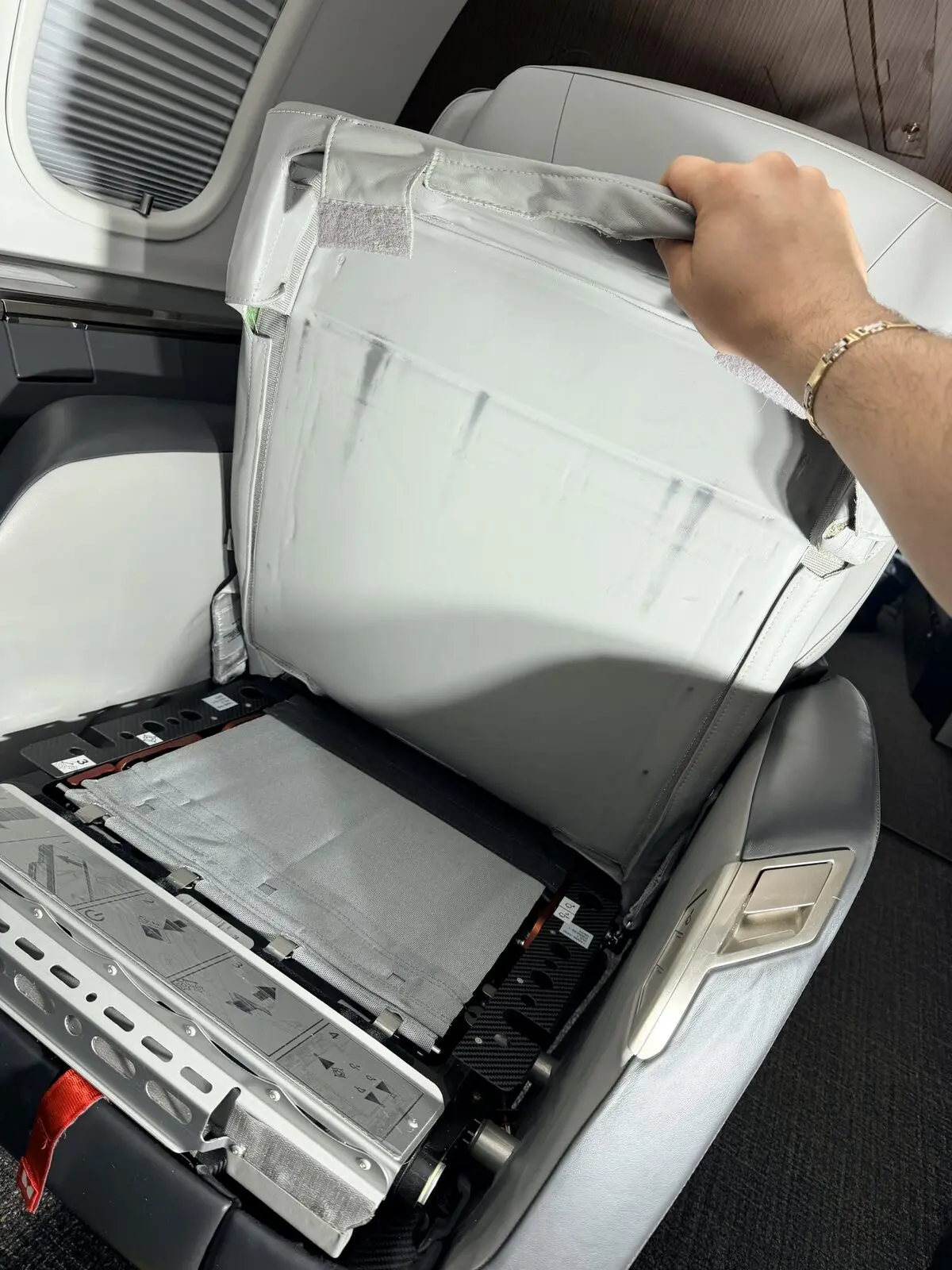
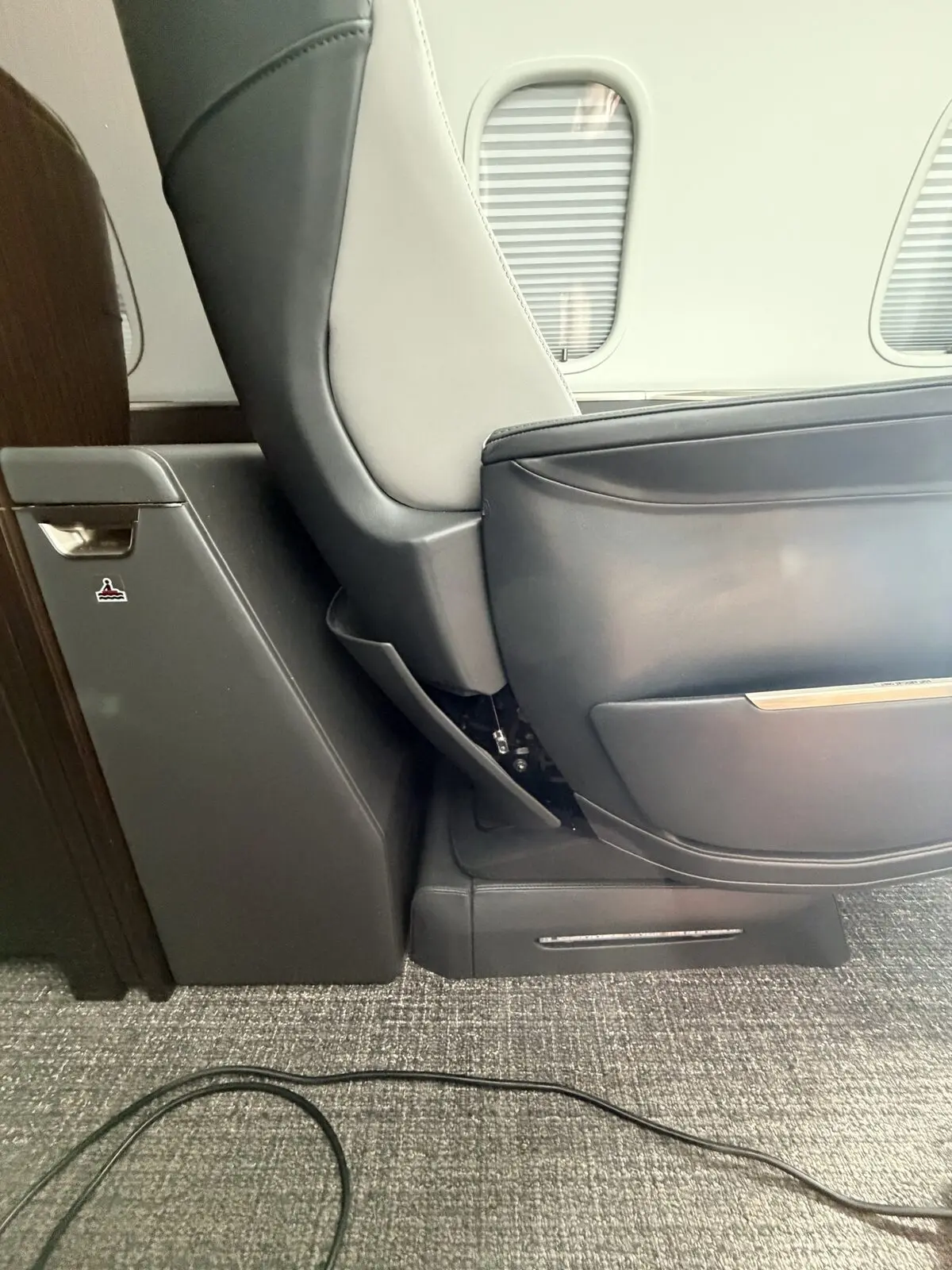
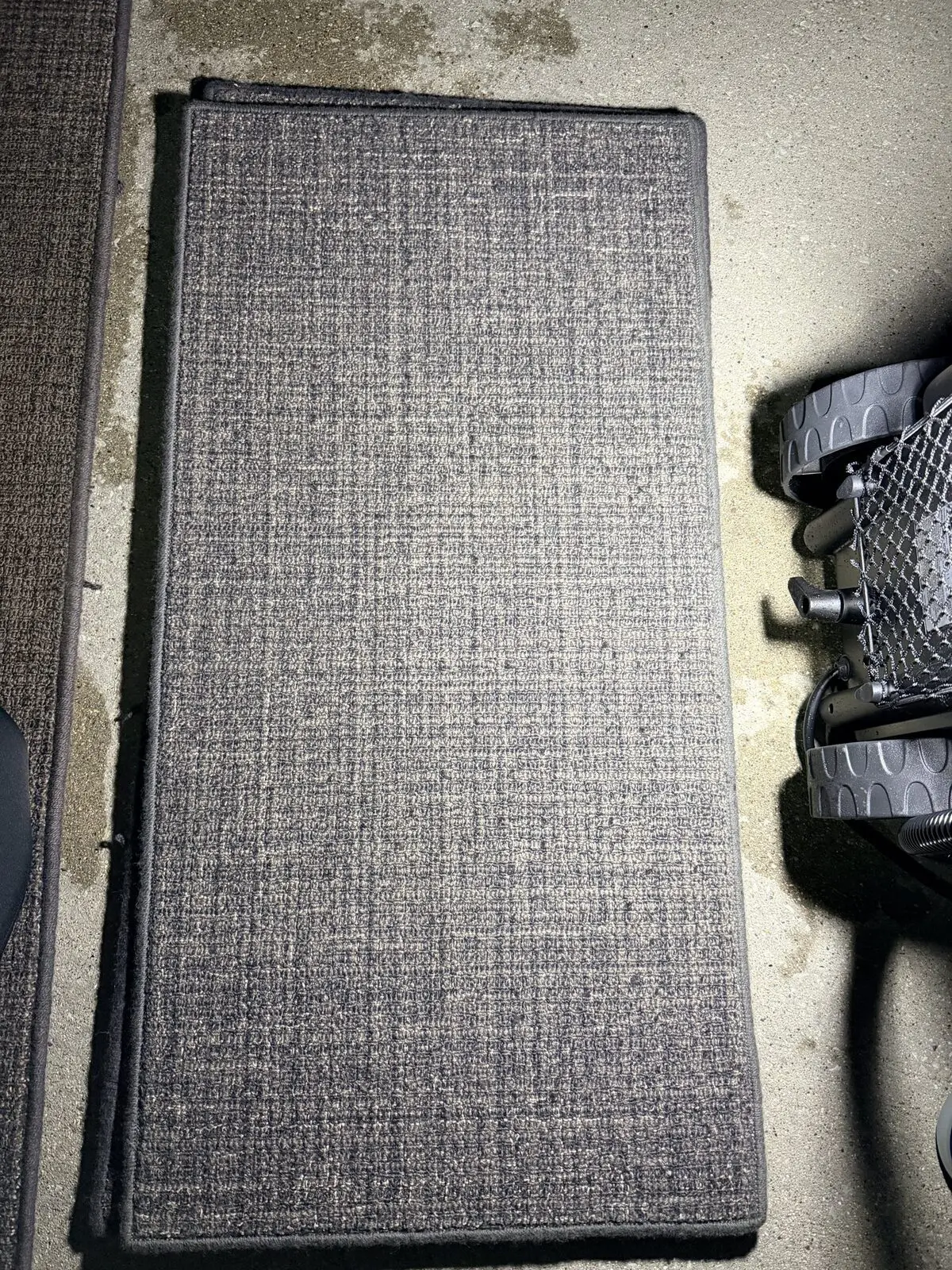
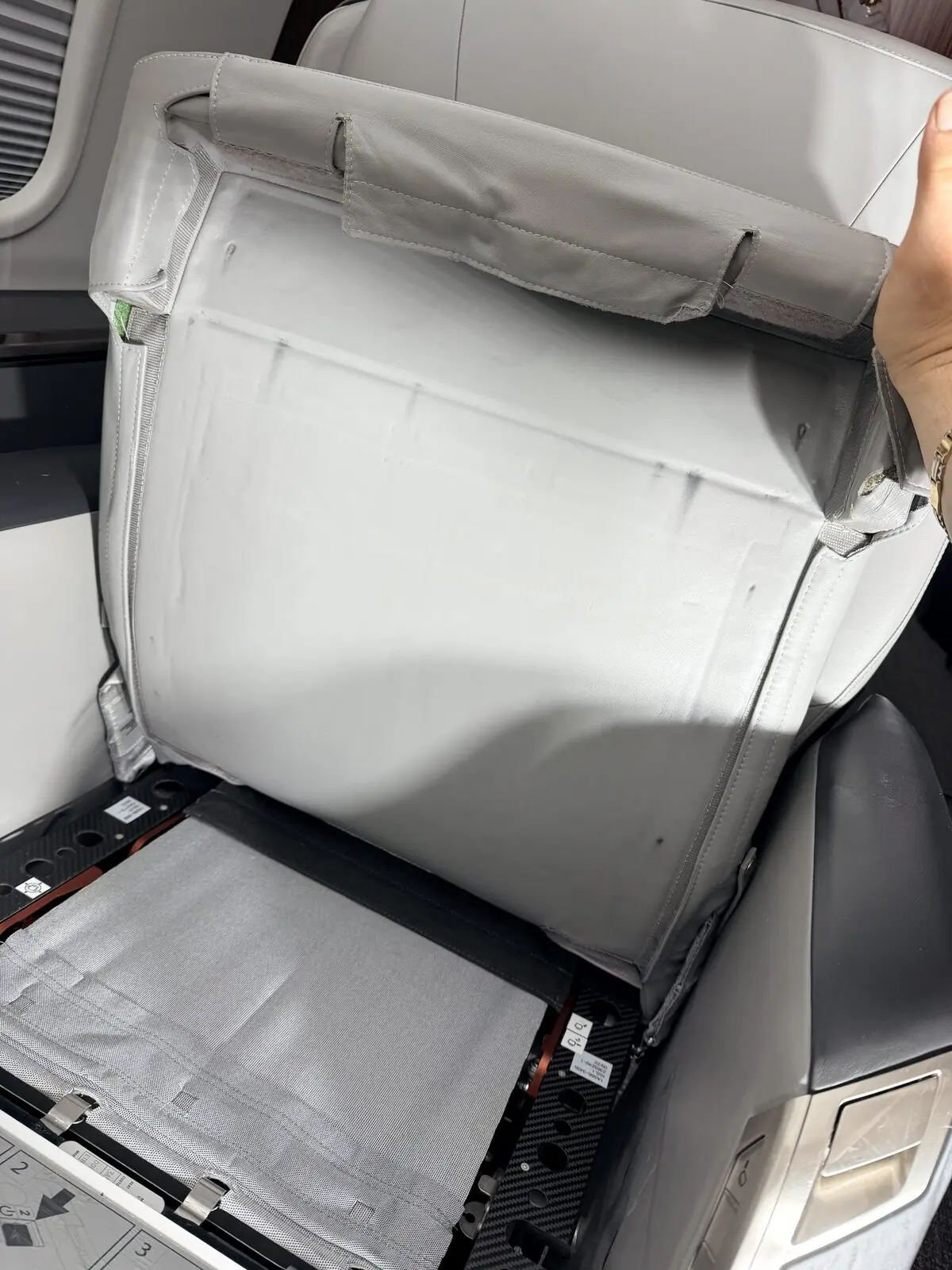
Three concern areas shaped the project. First, the removable cabin carpets had specific spot staining that needed rectification and extraction. Second, the lower under-seat areas on the main cabin chairs had black marks in places that are easy to miss during routine cleaning. Third, a forward passenger-seat panel was documented out of place. The panel did not move back into position with light pressure, so it was left alone rather than forced.
That third point matters. A detailer should not turn an interior cleaning job into unauthorized maintenance. If a panel does not return to position easily, the right move is documentation and restraint.
Scope Completed
Detailing Process
The service began with the cabin reset: remove loose debris, vacuum, open the working area, and identify the corrective zones. Carpet extraction was handled separately from general vacuuming. The spot-stained removable panels needed targeted treatment, agitation, extraction, and drying control. Removable carpet pieces can look simple, but they are part of the cabin's presentation architecture. If they look tired, the cabin reads tired.
The lower seat areas required a different approach. Under-seat leather and side panels collect shoe transfer, bag contact, and dark marks over time. These areas are not normally in the direct passenger sightline, but they matter when the cabin is inspected or photographed. The correction was intentionally realistic: approximately 80 percent improvement, followed by conditioning. That is better client communication than promising full removal when the material condition does not support it.
Corrective Results
Carpet Spot Extraction
Under-Seat Leather Correction
Aircraft-Specific Care Notes
The Challenger 350 interior blends soft leather, hard trim, cabinetry, carpet, cockpit materials, and moving seat hardware. Each material responds differently. Leather correction has to preserve the finish. Carpet extraction has to avoid saturation. Cabin panels and seat hardware should not be forced.
The out-of-place panel was handled correctly: light attempt only, then stop. The condition was documented and left for the owner, operator, or maintenance provider to address. A detailer should not turn an interior cleaning job into unauthorized maintenance.
Final Result
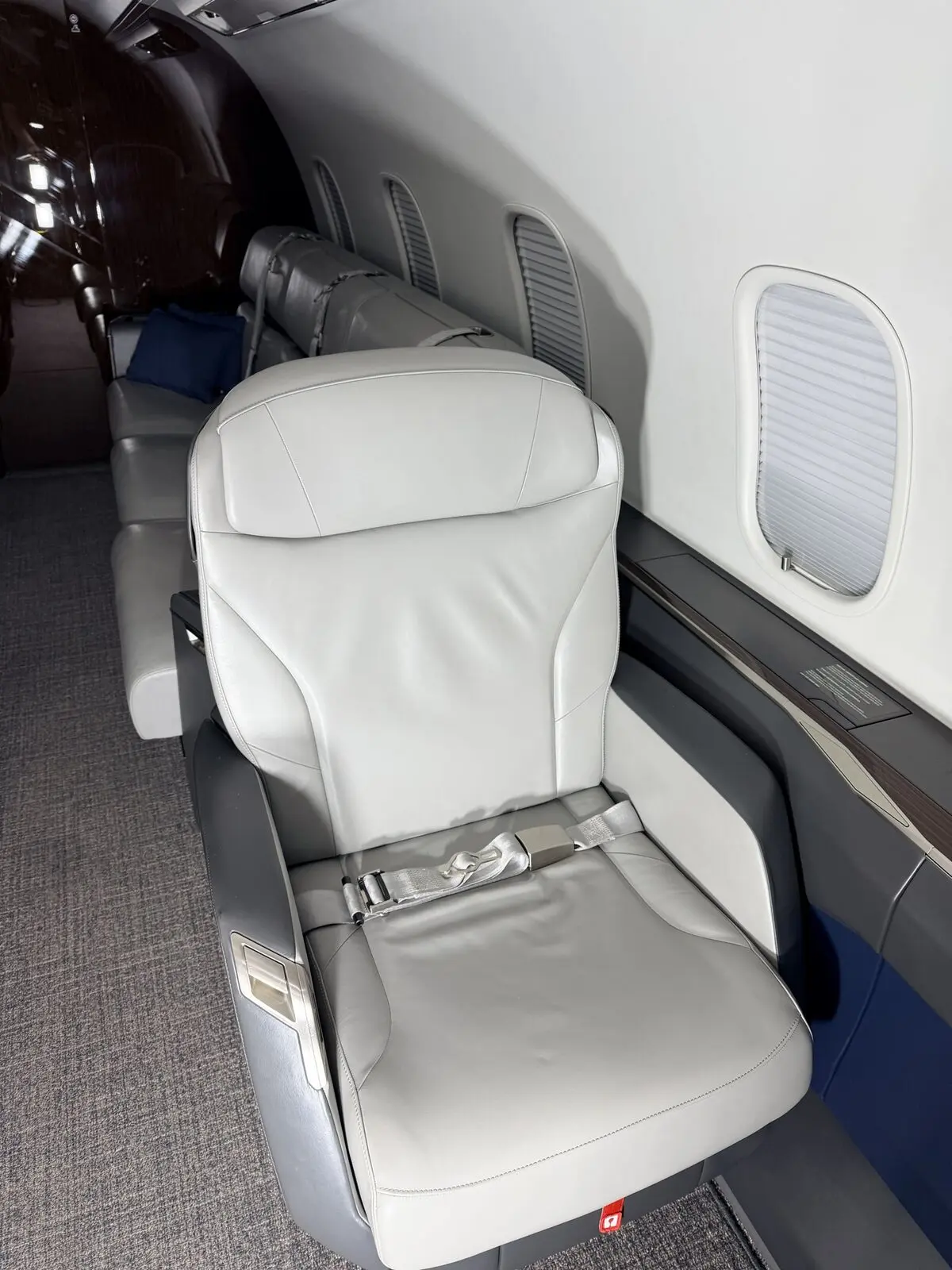
The aircraft returned with a cleaner cabin, improved carpet presentation, corrected lower-seat areas, conditioned leather, and a documented panel condition. The result was a practical interior reset: improve what belongs to detailing, avoid overreach, and keep the aircraft moving through its scheduled operation.
Recommended Next Step
This type of cabin benefits from recurring under-seat and carpet-panel checks. The low areas of main cabin chairs, removable carpet sections, and side ledges should be added to any future recurring service checklist because they collect wear before the rest of the cabin looks visibly dirty.
- Recurring under-seat and lower-panel inspections
- Carpet panel extraction on a usage-based schedule
- Leather conditioning to maintain cabin finish
- Side ledge and tray table deep cleaning
- Panel condition monitoring and documentation