
This case study covers a condition-documentation and exterior-care project on a Piper Arrow trainer at DuPage Airport. The aircraft had visible propeller oil marks, underbelly and landing-gear grease, paint-condition concerns, grip-step wear, and surface marks from prior aggressive buffing. The project was less about a glamorous final photo and more about documenting what a training aircraft needs when it has been used, washed, touched, flown, parked, and worked around by many hands.
Training aircraft live hard lives. They fly often, sit outside, collect oil and exhaust residue, see repeated student entries and exits, and accumulate grime around the belly, propeller, landing gear, and step areas. Detailing these aircraft requires an aviation-aware approach because some defects are cleaning problems, some are correction problems, and some are maintenance or repaint issues.
Project Details
Initial Condition
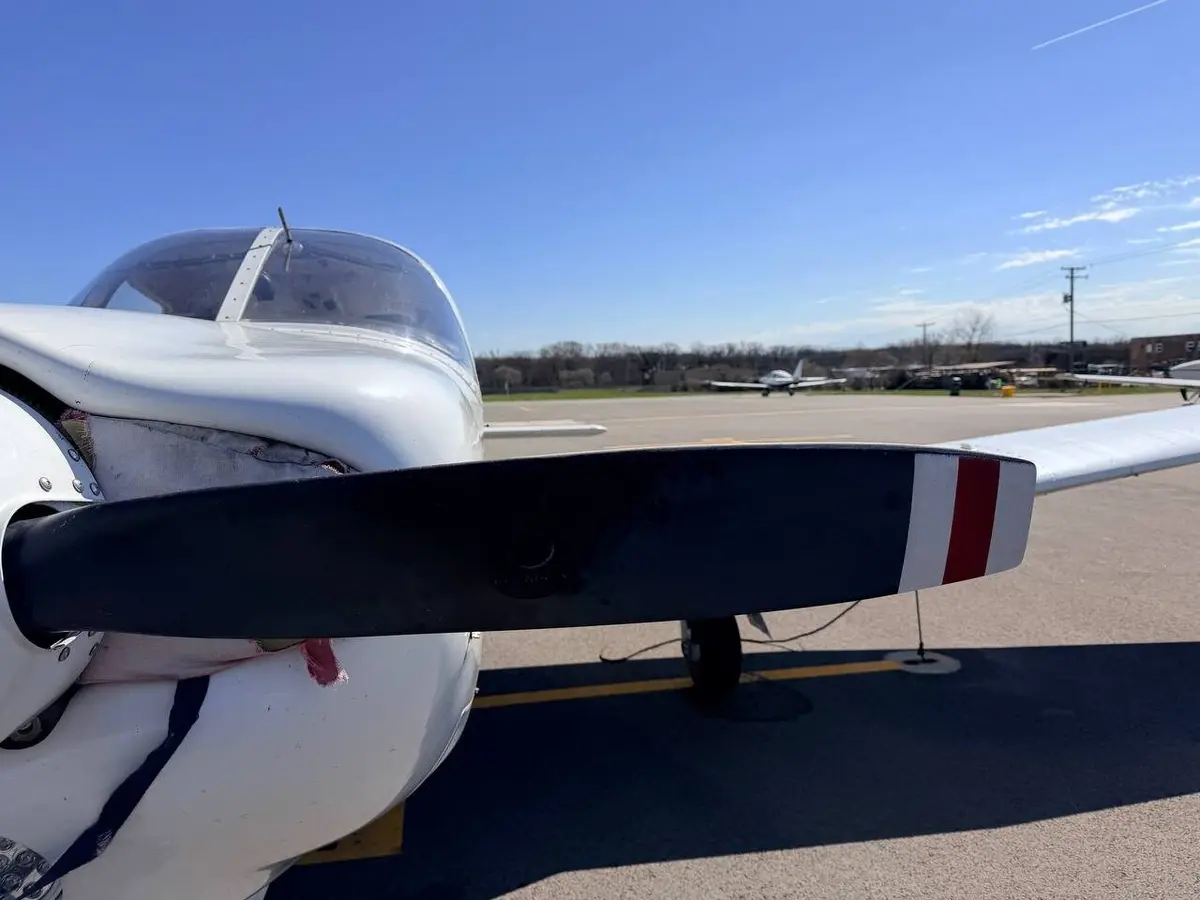
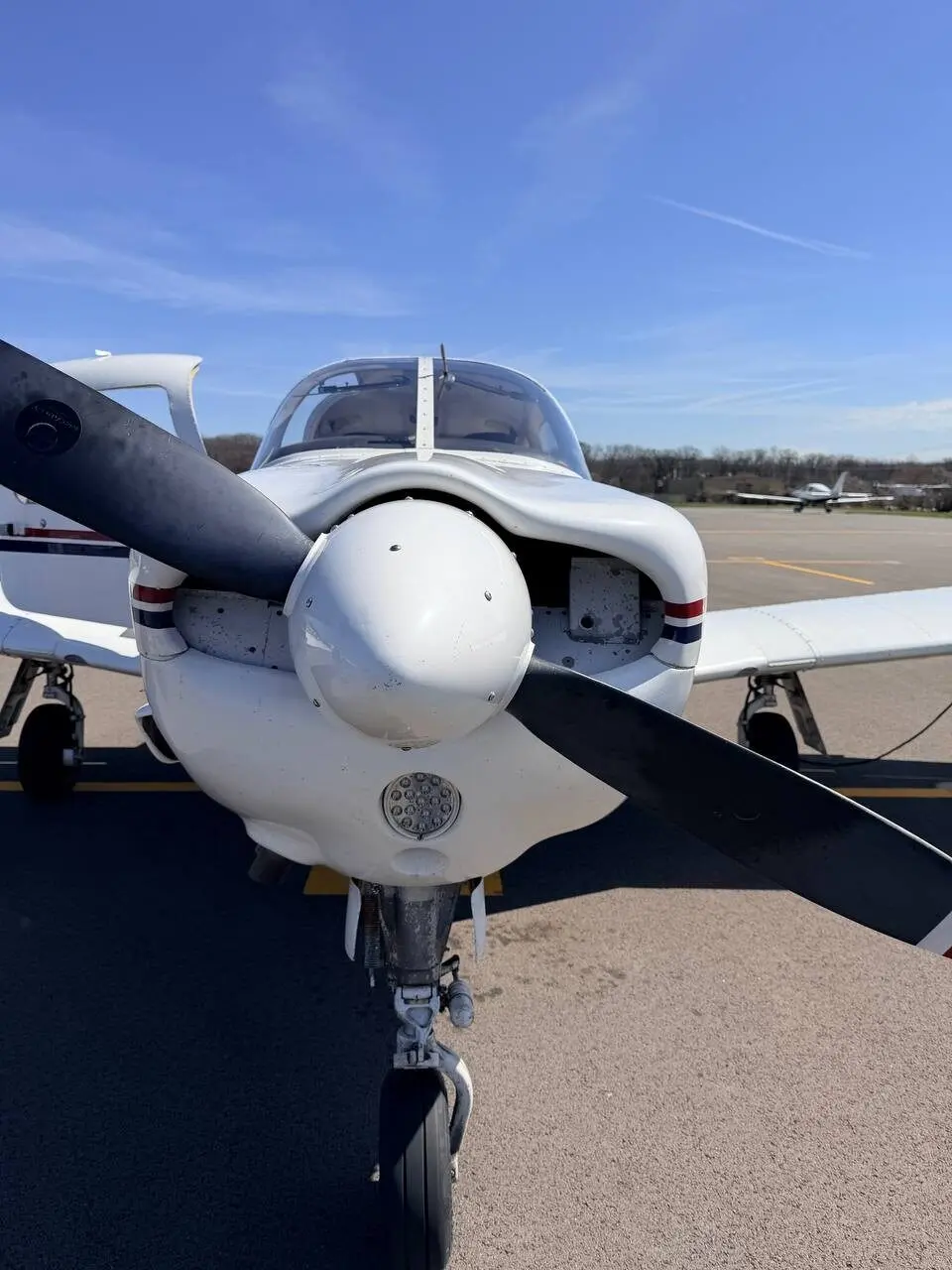
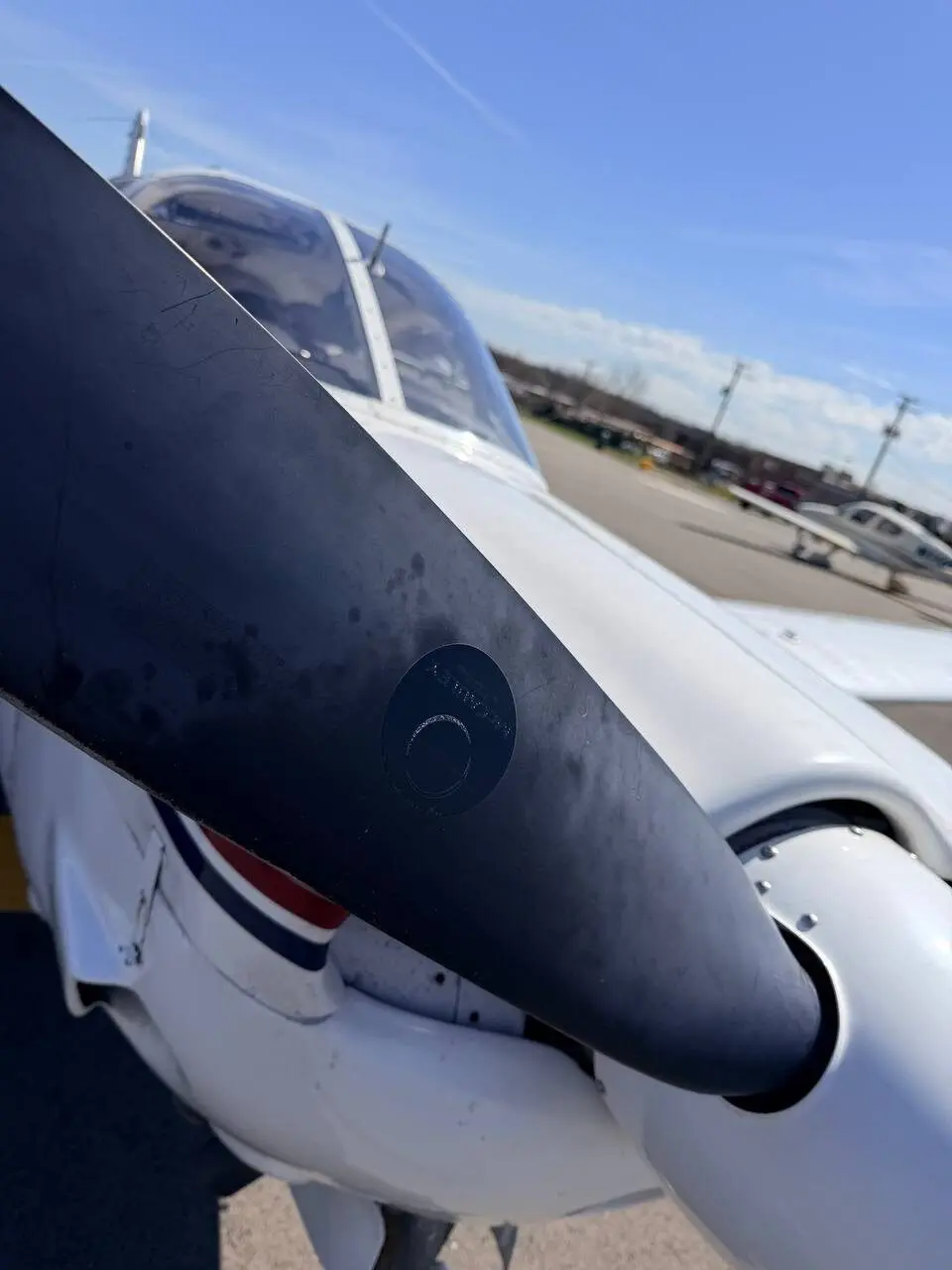
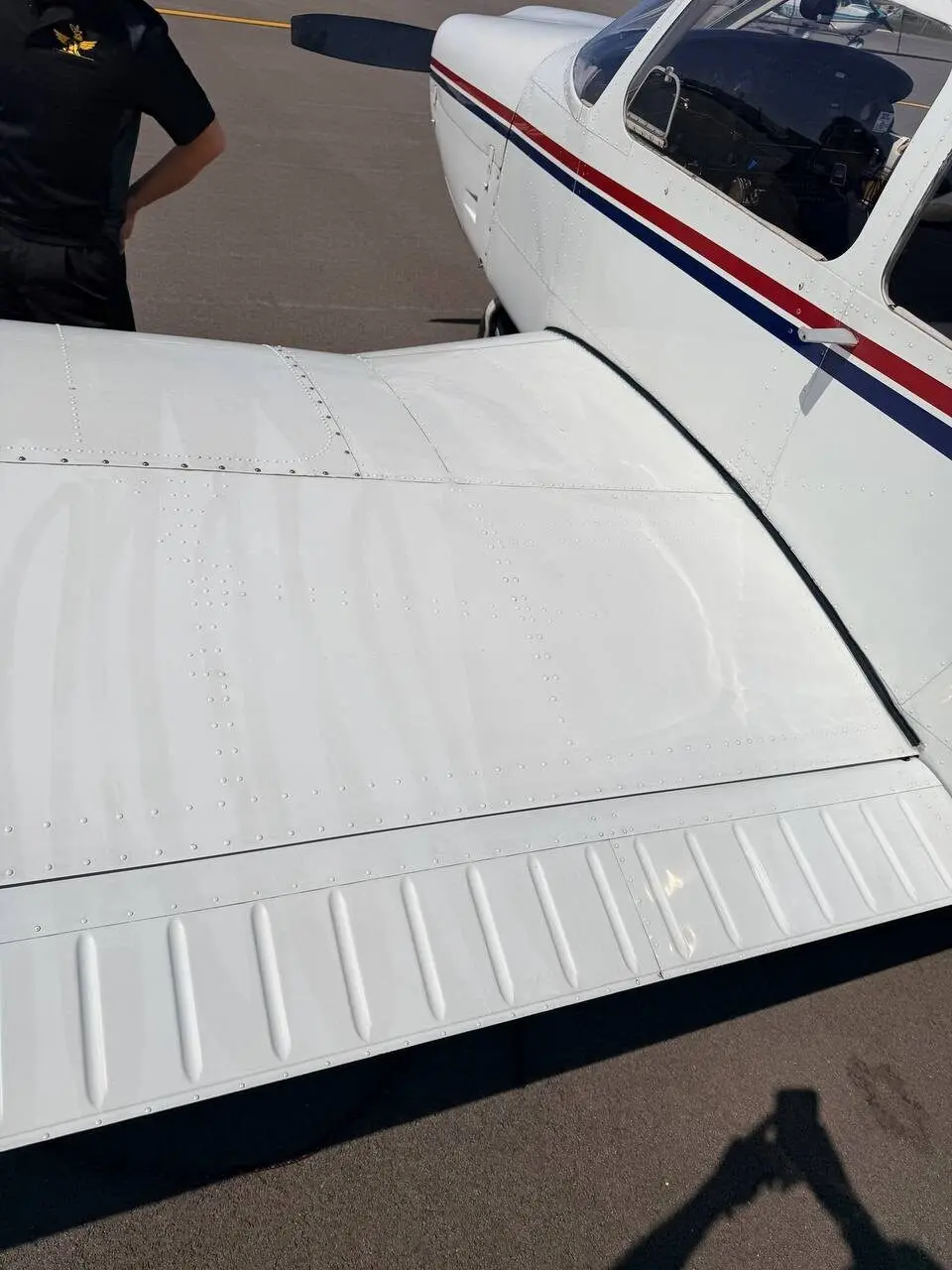
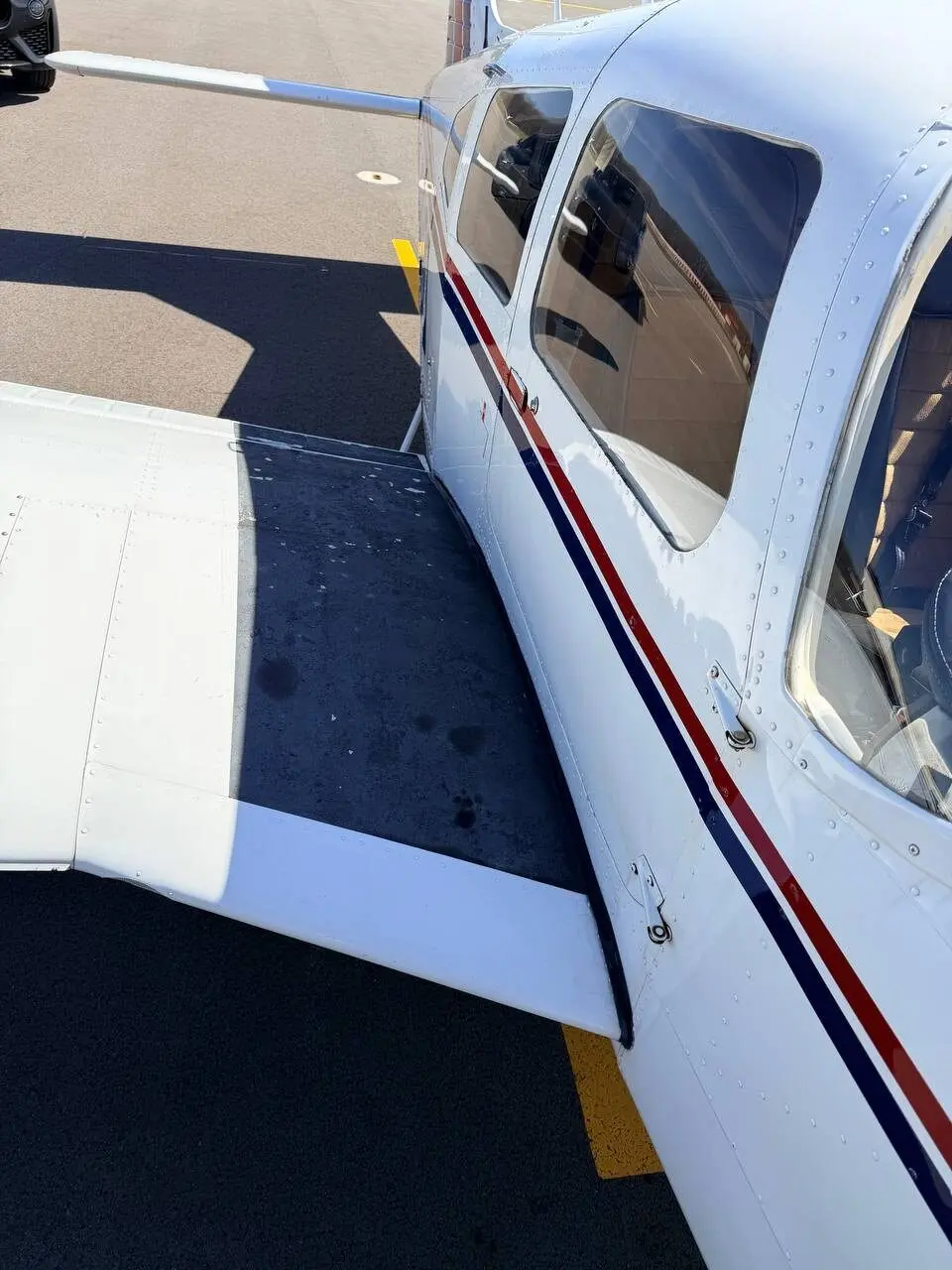
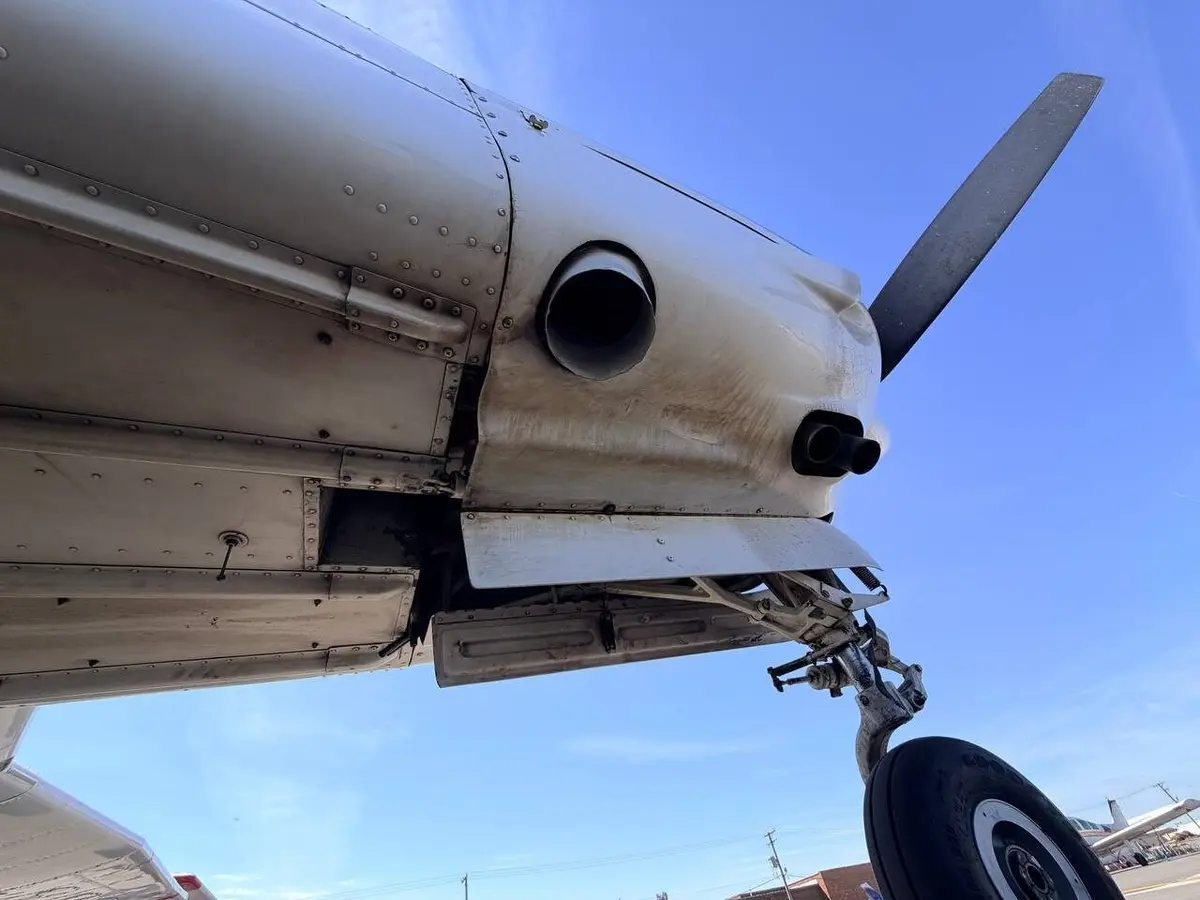
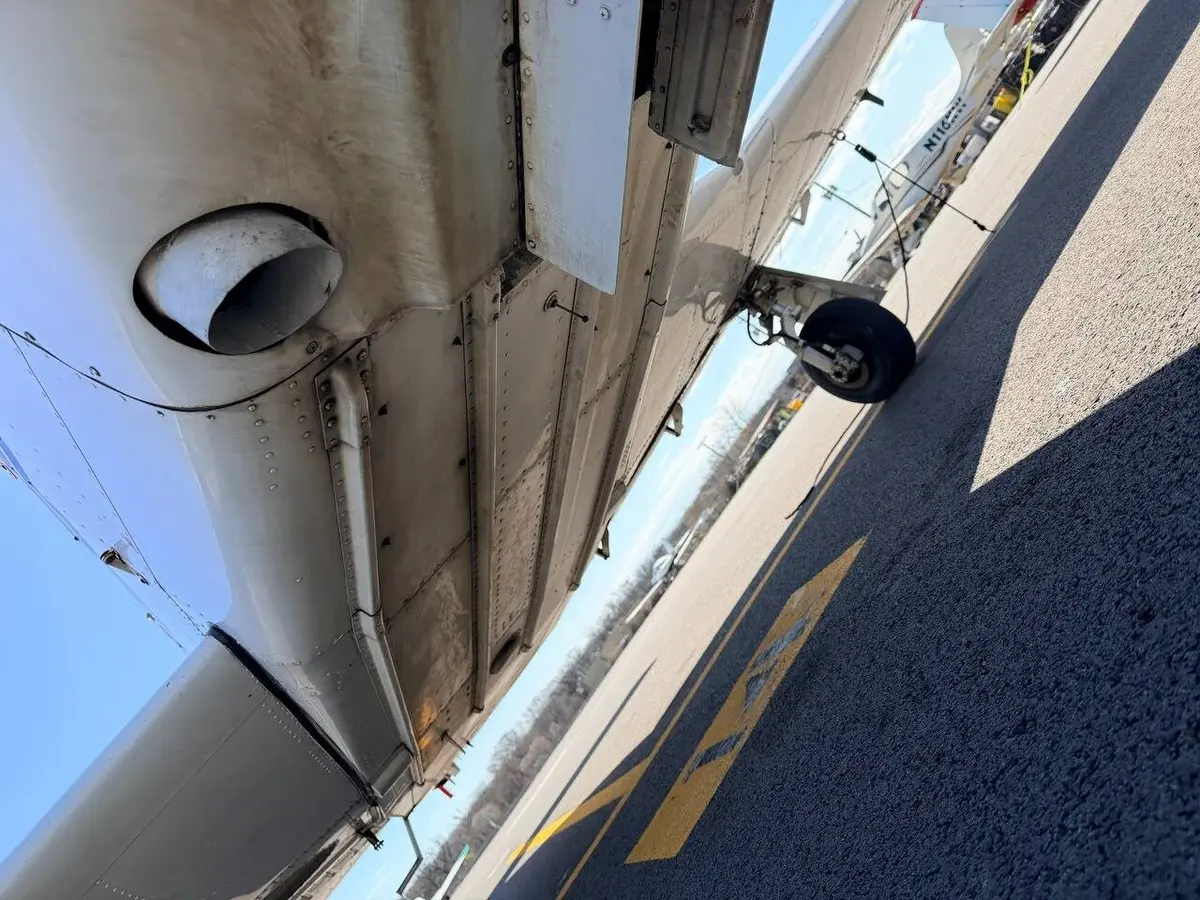
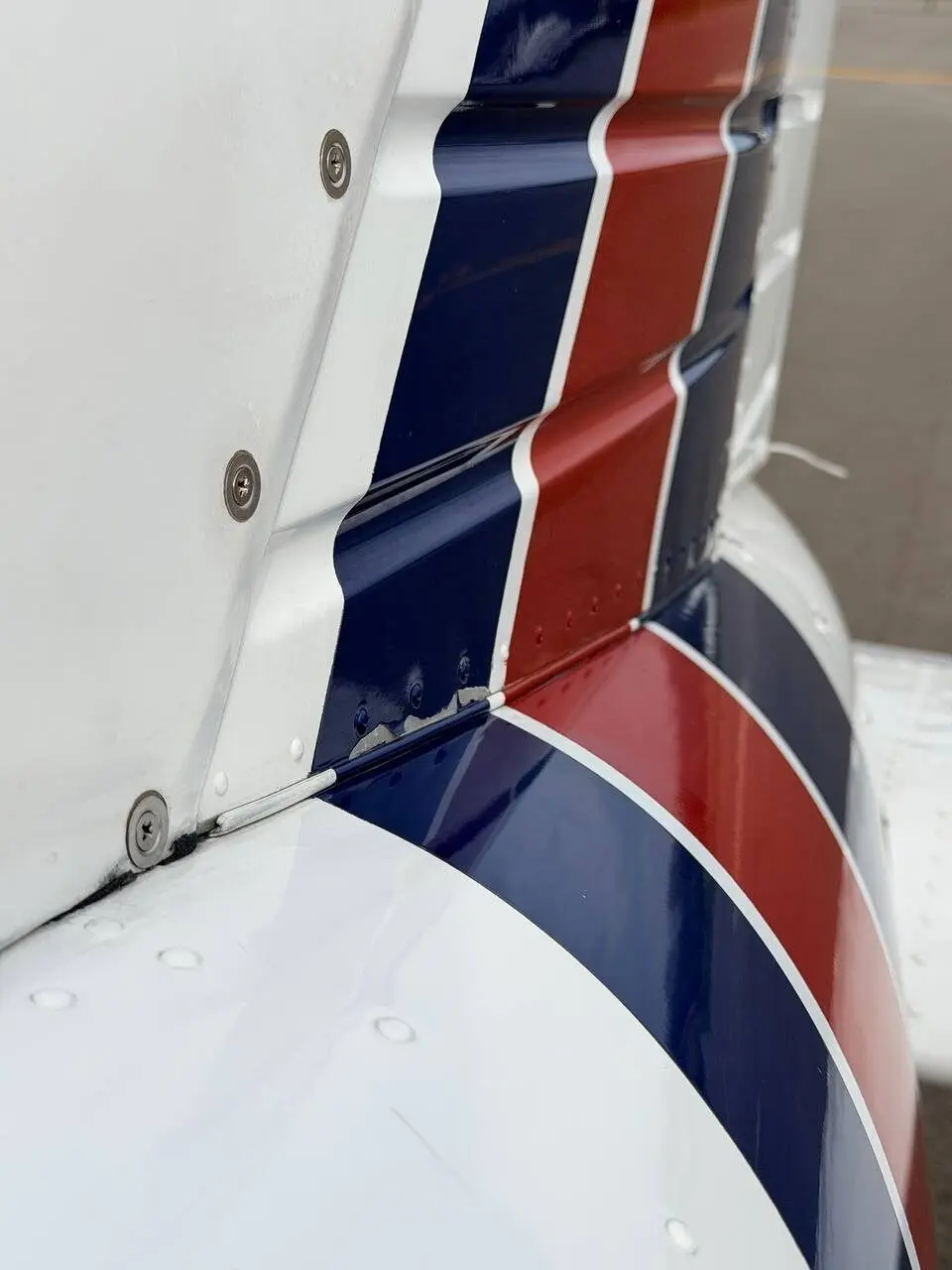
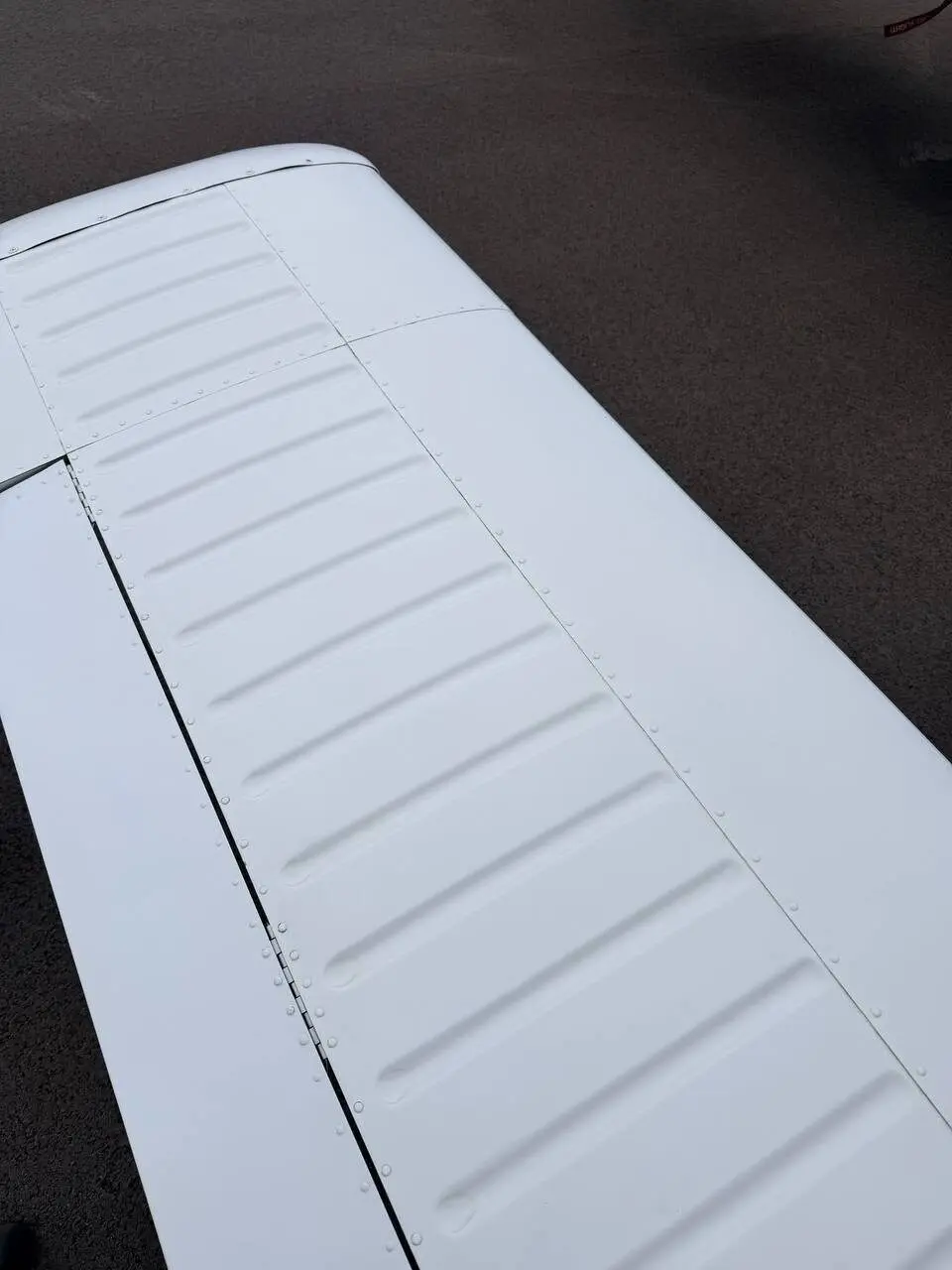
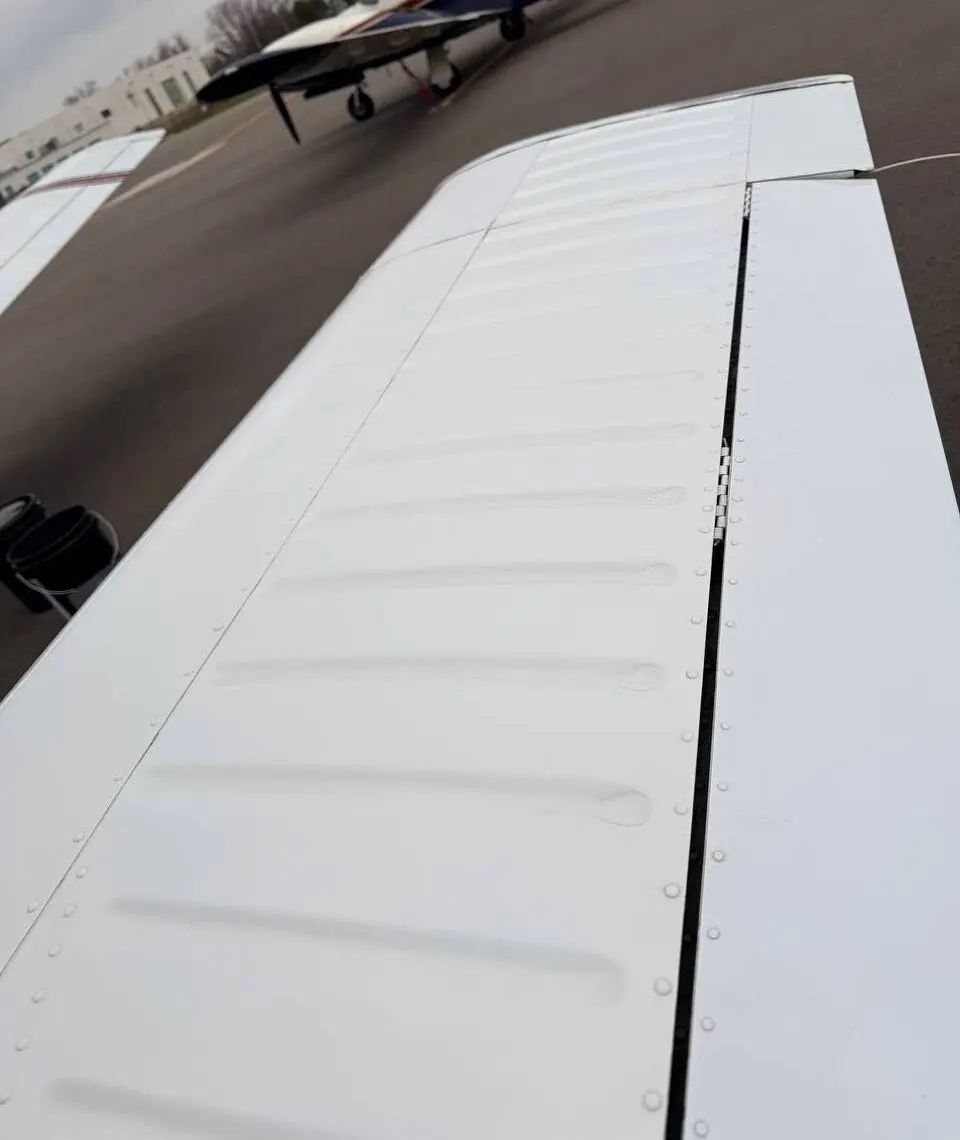
The propeller showed oil marks and spotting that required degreaser rather than normal wash soap. The landing gear and underbelly showed heavier grease buildup, especially in low areas where fluid and dirt collect. Several wing surfaces showed hard buffing lines and haze from prior aggressive polishing or student-level correction attempts. The grip step surface was peeling and needed resurfacing or repaint attention. One localized paint-degradation area was documented and worked around rather than treated aggressively.
That distinction is the point of this type of case study. A detailer should not treat every mark as something to attack. Some marks should be cleaned, some corrected, some documented, and some left for maintenance or paint work.
Scope Completed
- Exterior condition documentation
- Propeller oil marking documentation
- Degreasing plan for propeller, belly, and landing-gear areas
- Wing surface haze and buff-line documentation
- Grip step wear documentation
- Paint degradation documentation
- After-care presentation photos
- Recommendations for resurface areas and ceramic coating
Detailing Process
The Piper Arrow was inspected in zones. First, high-visibility surfaces: wings, fuselage, windows, leading edges, and control-surface areas. Then the lower structure: belly panels, landing gear, stiffening beads, and areas that collect oil and ramp grime. Finally, the issue-specific surfaces: propeller, paint haze, grip step, and localized degradation.
The propeller and underbelly concerns were treated as contamination issues requiring appropriate degreasing. Propeller work deserves caution because it is a flight-critical component, not a decorative surface. Cleaning should remove contamination without aggressive sanding, harsh abrasion, or casual experimentation.
The wing haze and hard lines were treated as paint-correction candidates, not basic wash concerns. The degreaser pass required a polisher to fully remove the grease, and that polisher work effectively accomplished a one-step correction — reducing the visible buffing marks and haze in the process.
Aircraft-Specific Care Notes
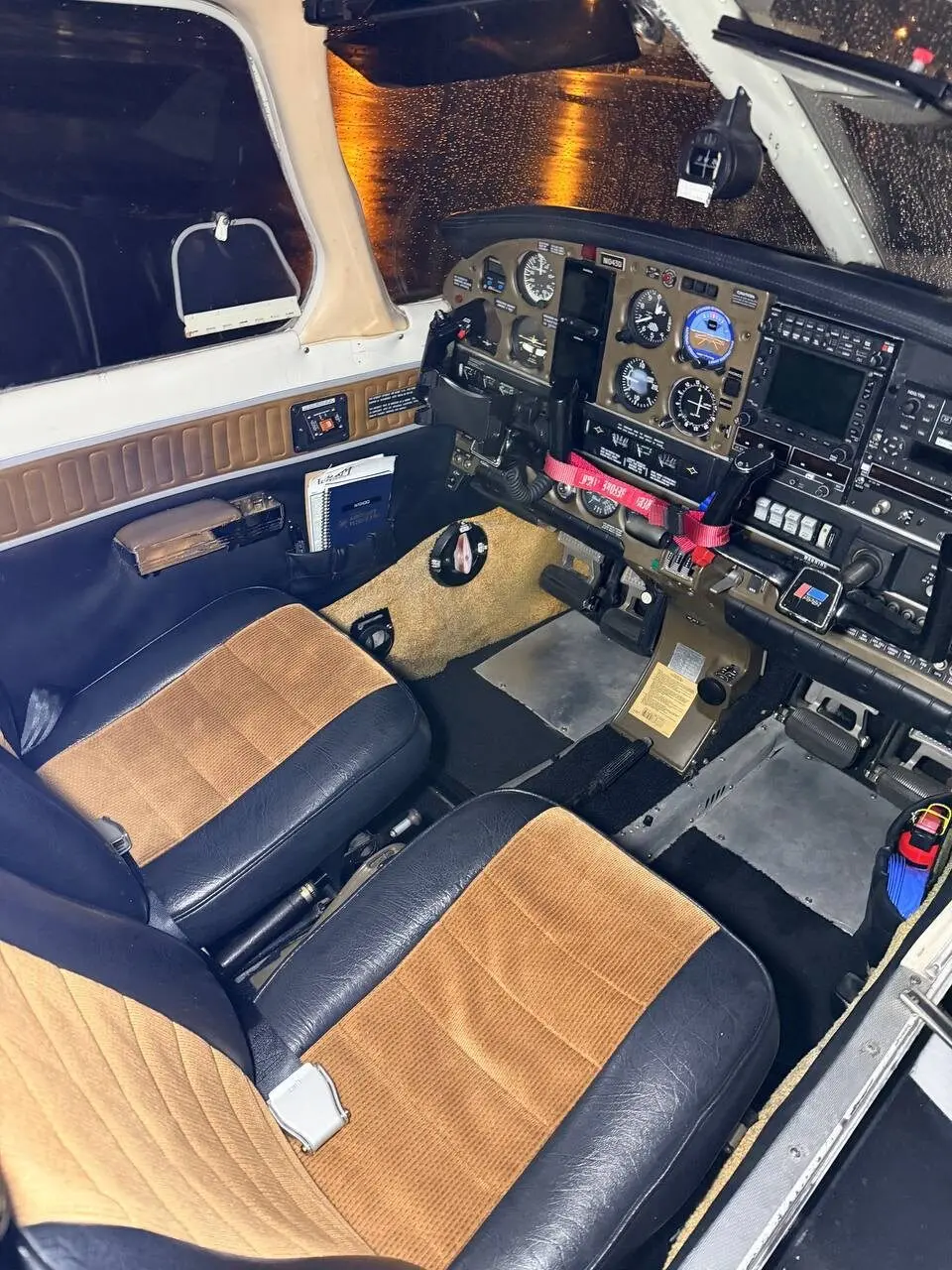
The Piper Arrow is a single-engine retractable-gear trainer that requires different priorities from corporate jets. The surfaces are often older, the paint may have varying history, the belly can carry years of oil residue, and step areas may be worn from repeated student entries. The detailer has to protect antennas, static ports, inspection panels, rivets, control-surface gaps, propeller surfaces, and placards.
Paint correction should not chase perfection on compromised paint. Degreasing should be targeted and rinsed carefully. Grip-step wear should be documented as a resurfacing or repaint item, not hidden with dressing. When a surface shows paint degradation, the correct move is documentation and restraint.
Final Result
The full-body degrease — which required a polisher and effectively completed a one-step paint correction — addressed the propeller oil marks, belly grease, and wing haze in a single pass. The remaining roadmap: resurface or repaint the peeling grip step, apply ceramic coating to protect the corrected finish, and avoid aggressive work on degraded paint areas. This is exactly how aircraft detailing should support aircraft ownership: improve the aircraft where safe, document the areas that need approval, and keep the operator informed.
Recommended Next Step
With the full-body degrease complete — which required a polisher to fully remove the grease, effectively accomplishing a one-step paint correction in the process — the next service for this Piper Arrow should focus on owner-approved grip-step resurfacing, and once any remaining correction work is finished, a ceramic coating to lock in the corrected finish and make ongoing maintenance easier.
- Grip-step resurfacing or repaint
- Ceramic coating to protect the corrected finish
- Paint degradation monitoring and repaint assessment
- Recurring exterior presentation washes on a seasonal schedule