
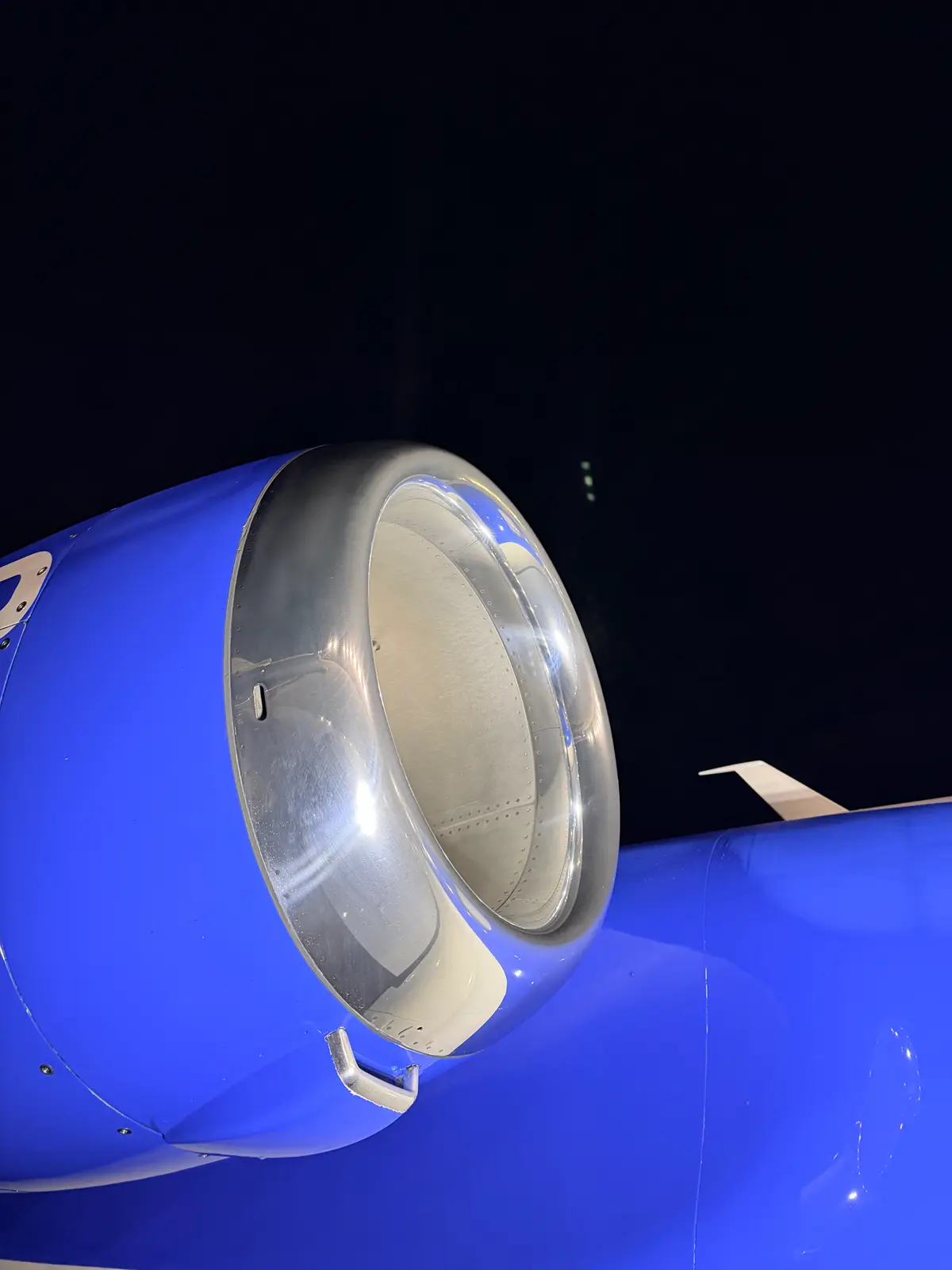
A recent Embraer Phenom 300 service at Chicago Executive Airport (PWK) was completed during an overnight operating window ahead of the aircraft’s next scheduled movement. The approved scope combined a trip-ready interior cleaning, a Level 1 exterior quick turn, and targeted carpet extraction.
That combination is a useful example of what an aircraft turnaround actually requires. It is not simply an interior clean plus an exterior wash. The work has to be sequenced around an aircraft’s access window, next-flight schedule, sensitive cabin and cockpit surfaces, and the need to return the aircraft in a clean, presentable condition without creating moisture, residue, or operational problems.
Project Details
Why a Light-Jet Turnaround Needs a Different Approach
The Phenom 300 is a light jet, but its compact footprint does not make it a simple aircraft to service. The cabin, cockpit, galley, passenger seating, carpeted floor system, exterior paint, windows, antennas, and flight-critical sensors are all close together. A rushed or overly aggressive process can create more risk than value.
For a short operating window, the objective is controlled improvement in the places passengers, crew, and ramp personnel notice first:
- Cabin presentation and high-touch areas
- Carpet traffic zones and visible floor condition
- Exterior cleanliness and ramp appearance
- Windows and surrounding surfaces handled with aircraft-appropriate restraint
- A final walkaround that supports the next departure
The lesson is that speed does not come from skipping steps. It comes from choosing the right steps first and keeping the work organized.
Scope Completed
- Trip-ready interior cleaning
- Level 1 exterior quick-turn service
- Targeted carpet extraction
- Overnight completion ahead of the planned departure window
The Turnaround Process: Prioritize, Protect, Then Present
1. Start with the operating deadline
An overnight turnaround should begin with the aircraft’s access and departure requirements — not with a generic cleaning checklist. The crew needs to know how much time is actually available, whether the aircraft is accessible, and which work areas have the highest visual impact before the next flight. On a Phenom 300, that usually means planning the cabin and carpet work so the interior can dry and be rechecked before the aircraft is closed out. Exterior work has to fit around ramp conditions, lighting, and the practical limits of the service window.
2. Treat carpet extraction as a controlled correction, not a wet-cleaning shortcut
Carpet extraction was included as a distinct service because it addresses a different problem than routine vacuuming. In an aircraft cabin, the goal is to improve the visible floor condition while controlling moisture: dry debris removal and assessment first, measured cleaning and extraction second, and a final check before release. Over-wetting is not a mark of thoroughness. Aircraft floor systems, carpet backing, trim boundaries, and the cabin environment all benefit from disciplined moisture control. The desired finish is clean, dry, and ready for the next passenger movement — not merely damp-looking carpet that has been aggressively treated.
3. Keep cockpit and sensitive surfaces conservative
Aircraft detailing is not automotive detailing performed on a larger airframe. Cockpit screens, switches, placards, controls, and adjacent electronics require product restraint. Windows also require aircraft-aware methods because acrylic and polycarbonate surfaces can be damaged by harsh chemistry, dirty towels, or abrasive techniques. The same principle applies outside. A proper exterior quick turn improves presentation without contaminating static ports, pitot tubes, angle-of-attack vanes, antennas, control-surface gaps, or other sensitive areas. Before anything is applied, the surface and its surrounding components should be identified.
4. Finish for the next flight, not just the final photo
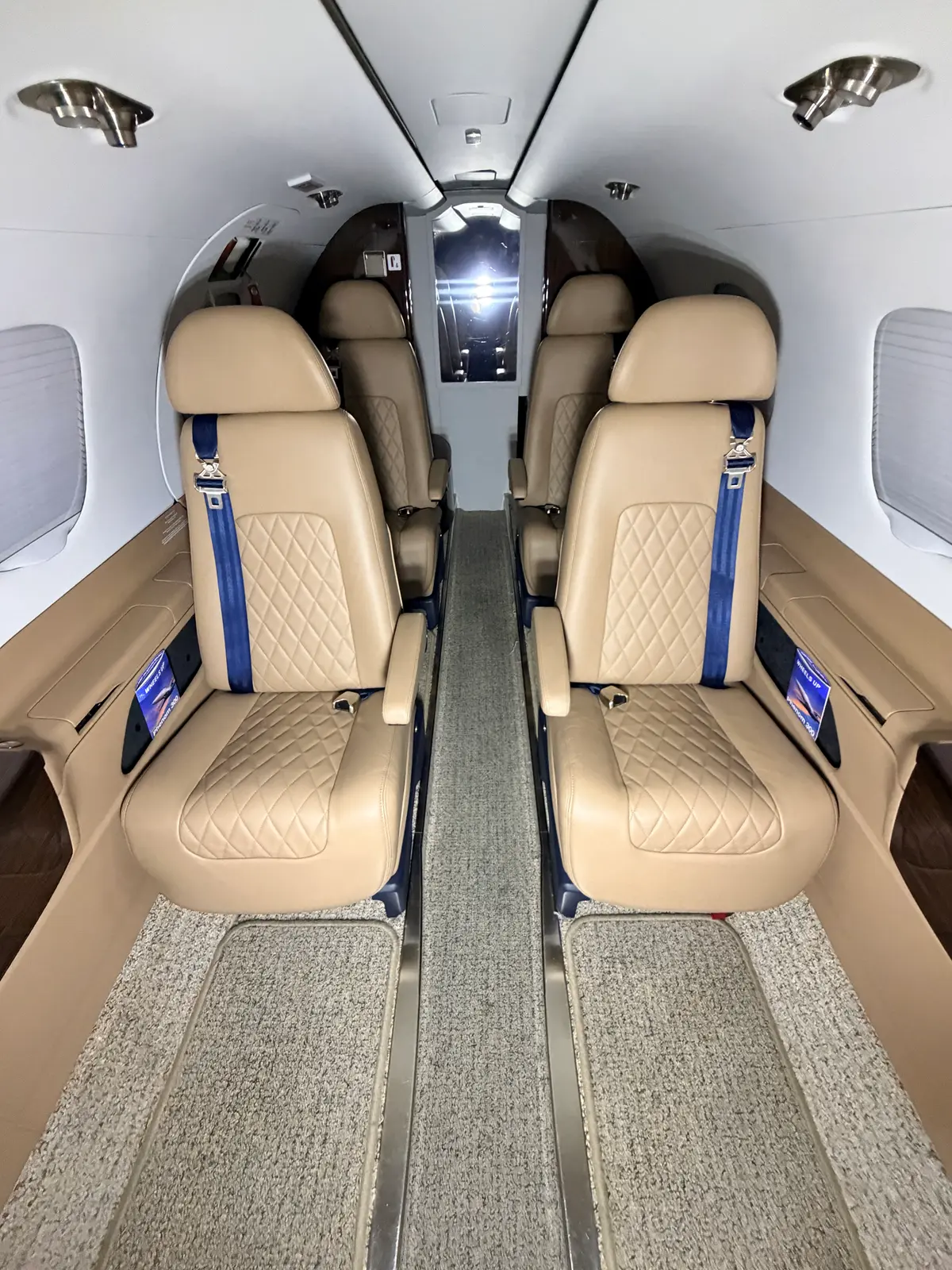
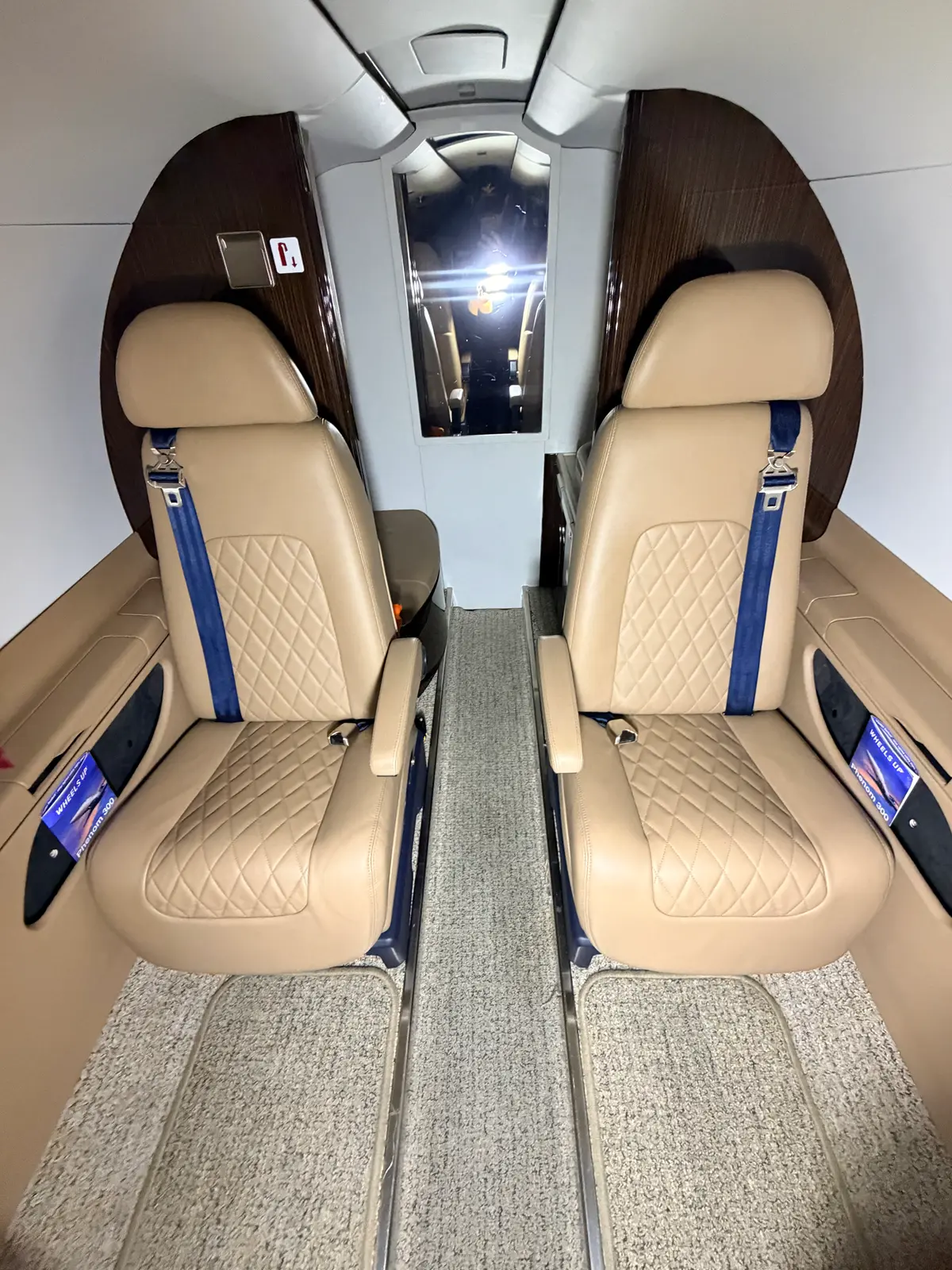
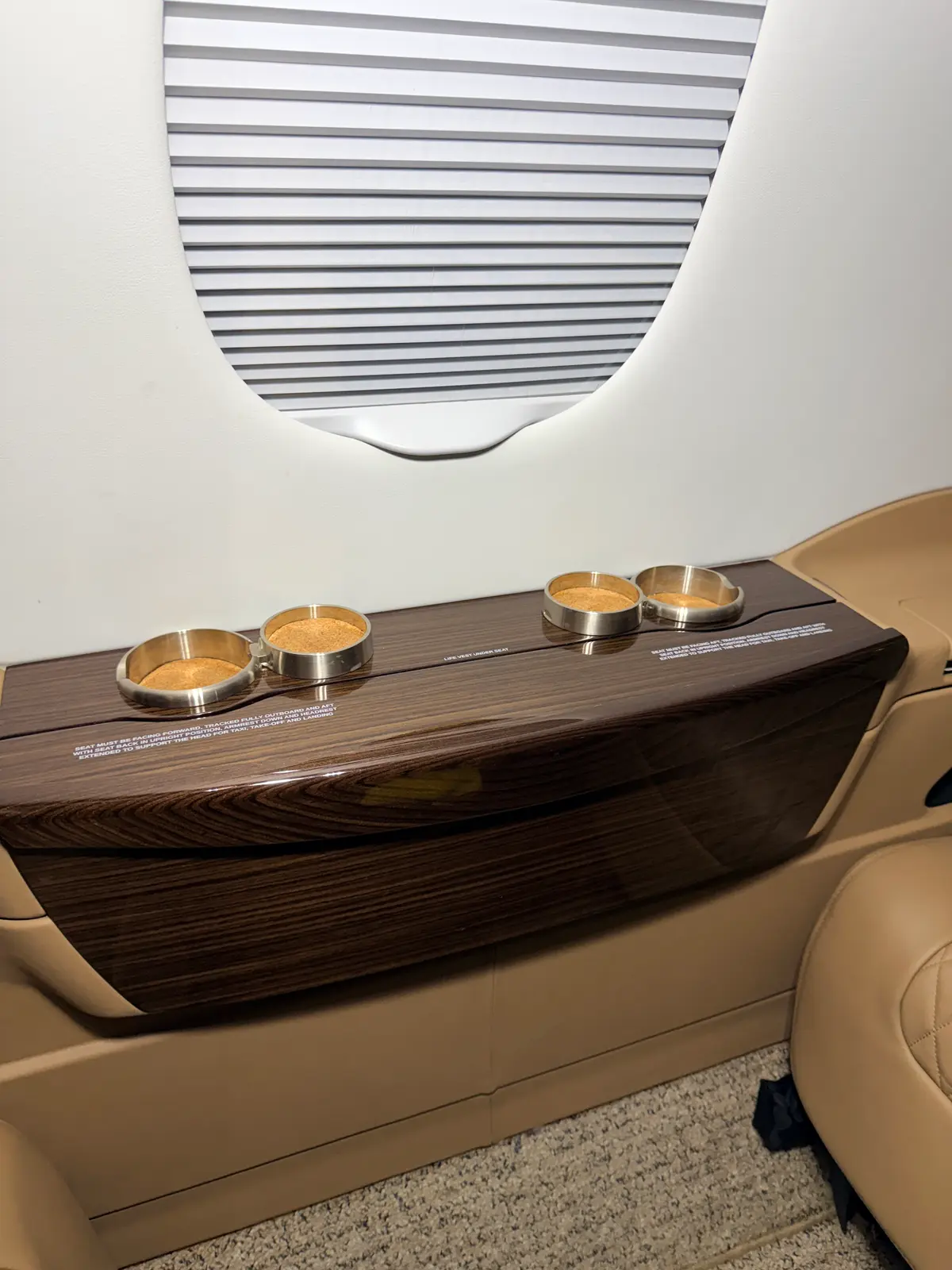
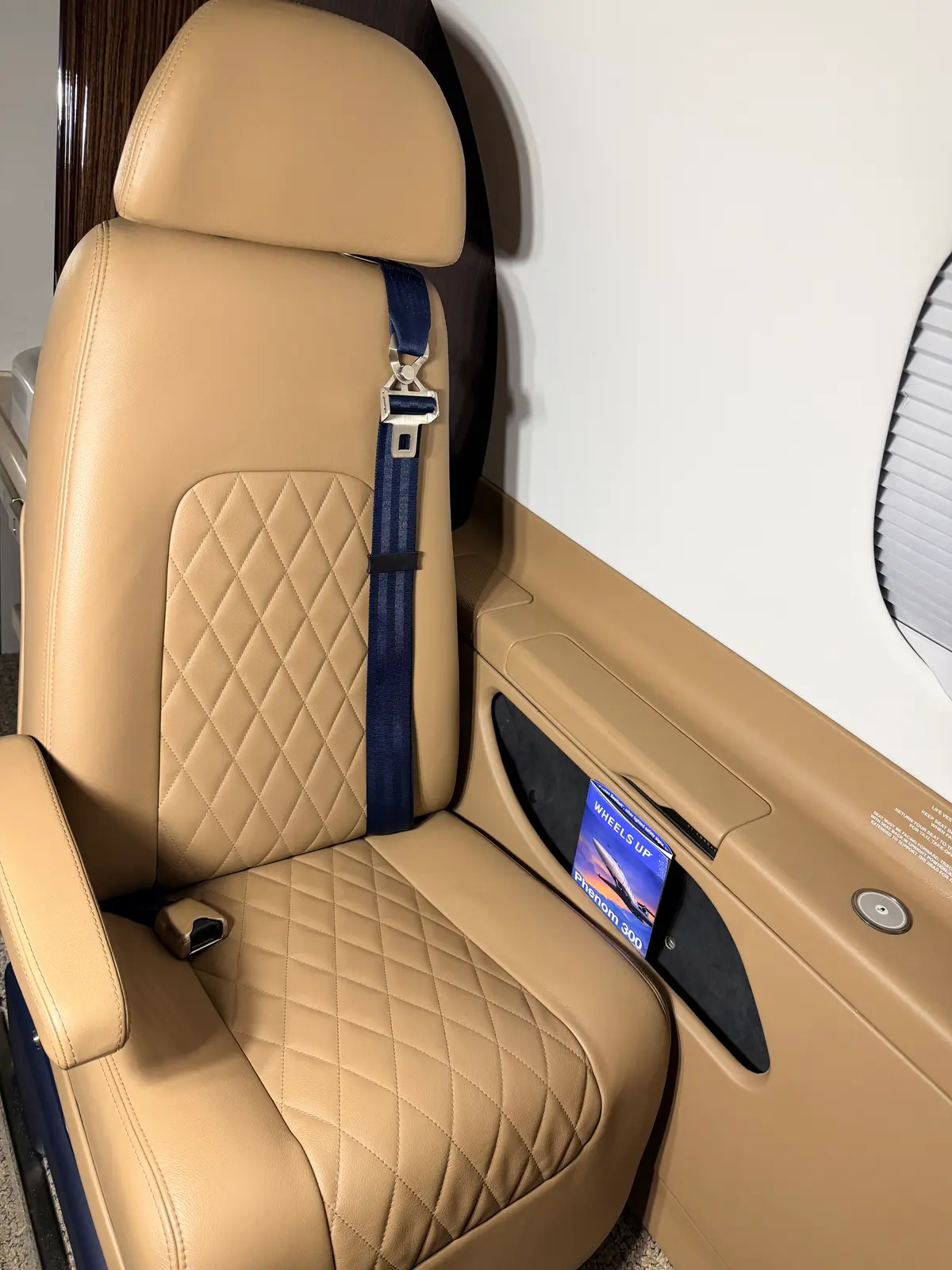
The meaningful standard for a quick-turn service is operational readiness. The cabin should look orderly, carpeted areas should be presentable and dry, exterior surfaces should read cleanly on the ramp, and no residue, loose material, or equipment should remain behind. A final walkaround matters because it catches what a task list can miss: a towel left in a compartment, moisture in a carpet edge, streaking visible under ramp lighting, or a missed presentation area near the entry.
Aircraft-Specific Care Notes
The Phenom 300’s efficient light-jet layout makes sequencing and tool control especially important. Its compact passenger cabin offers little room to move supplies without contacting finished surfaces, while cockpit and exterior components demand a deliberate approach.
- Identifying material and system-sensitive areas before applying products
- Avoiding direct liquid application near avionics, controls, screens, placards, and switches
- Using window-safe techniques appropriate to acrylic or polycarbonate surfaces
- Managing carpet-extraction moisture rather than saturating the floor system
- Keeping chemicals, overspray, and residue away from exterior sensors, antennas, and control-surface boundaries
Final Result
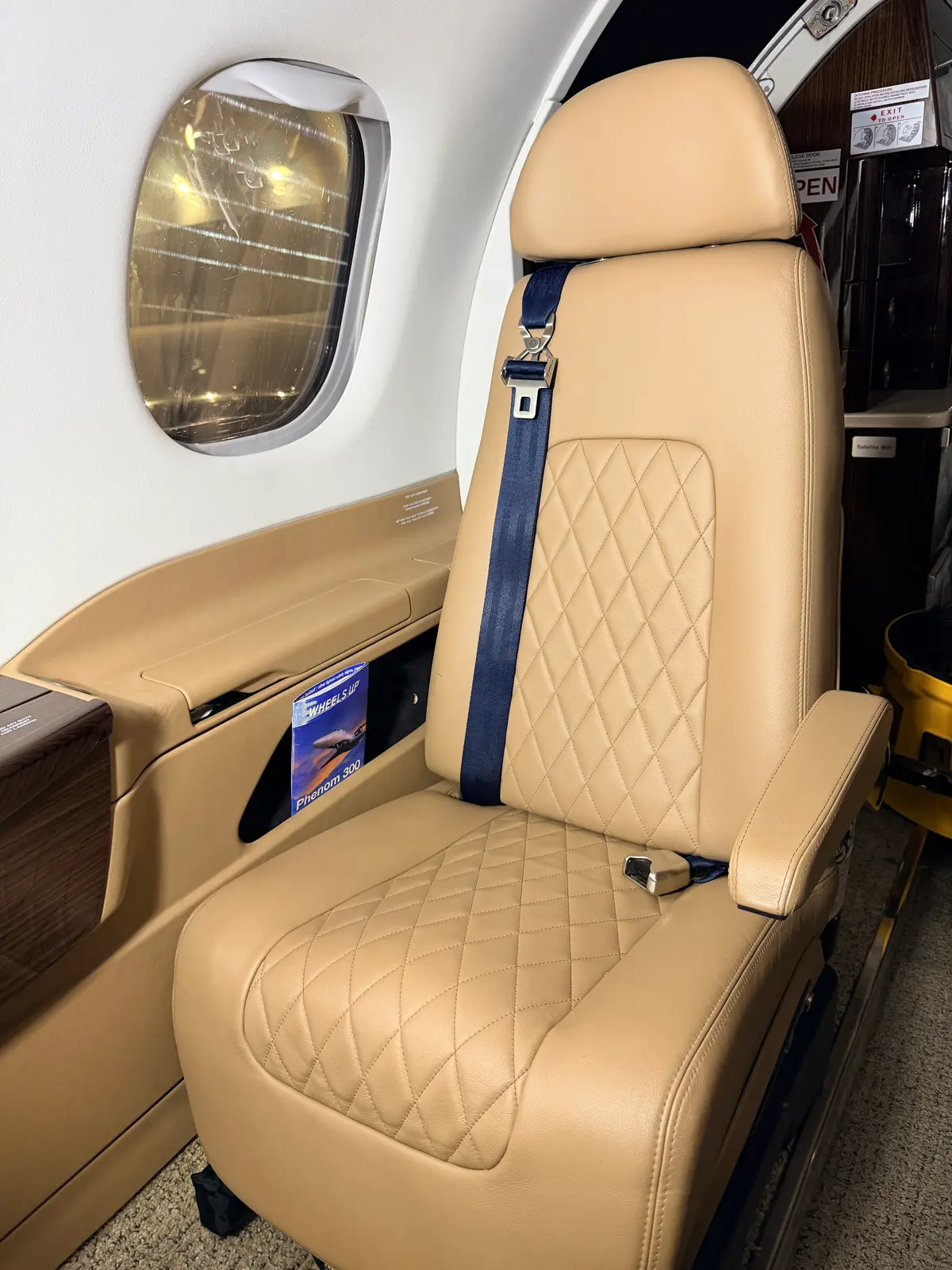
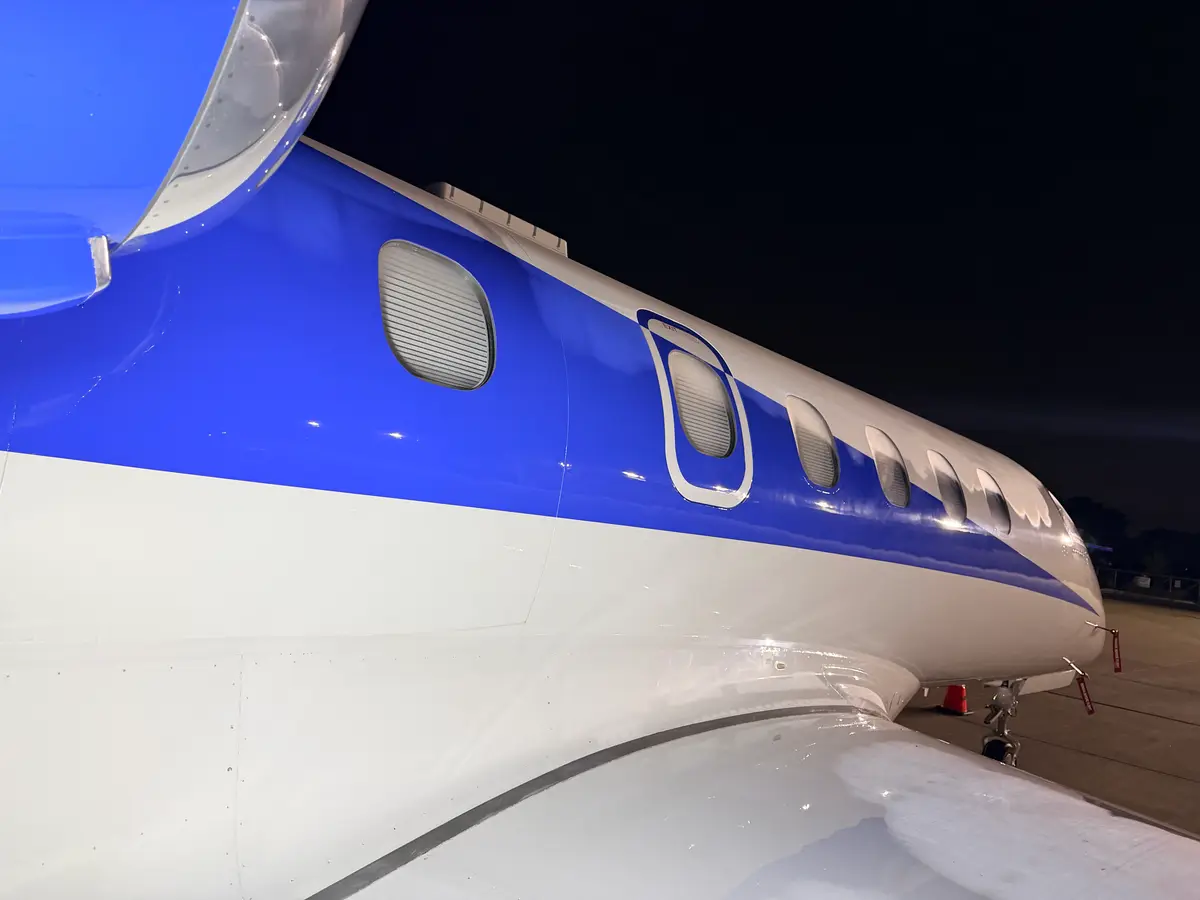
The aircraft returned to a clean, trip-ready standard inside a single overnight window. The cabin read as orderly from the entry through the club seating, the carpet was presentable and dry rather than over-treated, and the exterior showed cleanly under ramp lighting ahead of the next departure. The result was not a heavy restoration; it was a disciplined turnaround matched to how a working light jet is actually used.
Takeaway for Operators and Flight Departments
A working light jet does not need a full restoration every time it lands. It does need an appearance program that matches its use cycle. Routine trip-ready interior care, periodic targeted carpet extraction, and properly scheduled exterior quick turns prevent small presentation issues from compounding into a heavier, more disruptive project.
The best time to address cabin traffic areas and exterior presentation is before they become the first thing a passenger or crew member notices. For a Phenom 300 operating through Chicagoland, an overnight window can be enough — provided the work is planned, aircraft-specific, and documented.