
This Bombardier Learjet 75 project at Chicago Executive Airport was an interior-focused service built around carpet extraction, seatbelt cleaning, and targeted cleaning of light passenger-seat leather. The aircraft needed a cleaner, sharper cabin presentation for continued private aviation use without disrupting the operator’s schedule or treating the aircraft like an automotive interior.
Every so often, an aircraft carpet tells a longer story than a normal traffic pattern. The fibers feel loaded. Older stains have settled below the surface. Walk paths, lav areas, seat bases, and tight floor transitions stop responding to the usual sequence of vacuum, light agitation, and extraction. At that point, the service has to shift from routine cleaning to controlled correction: isolate the problem spots, loosen embedded material, treat the staining in stages, and keep reassessing the carpet under direct light until the presentation is brought back into standard.
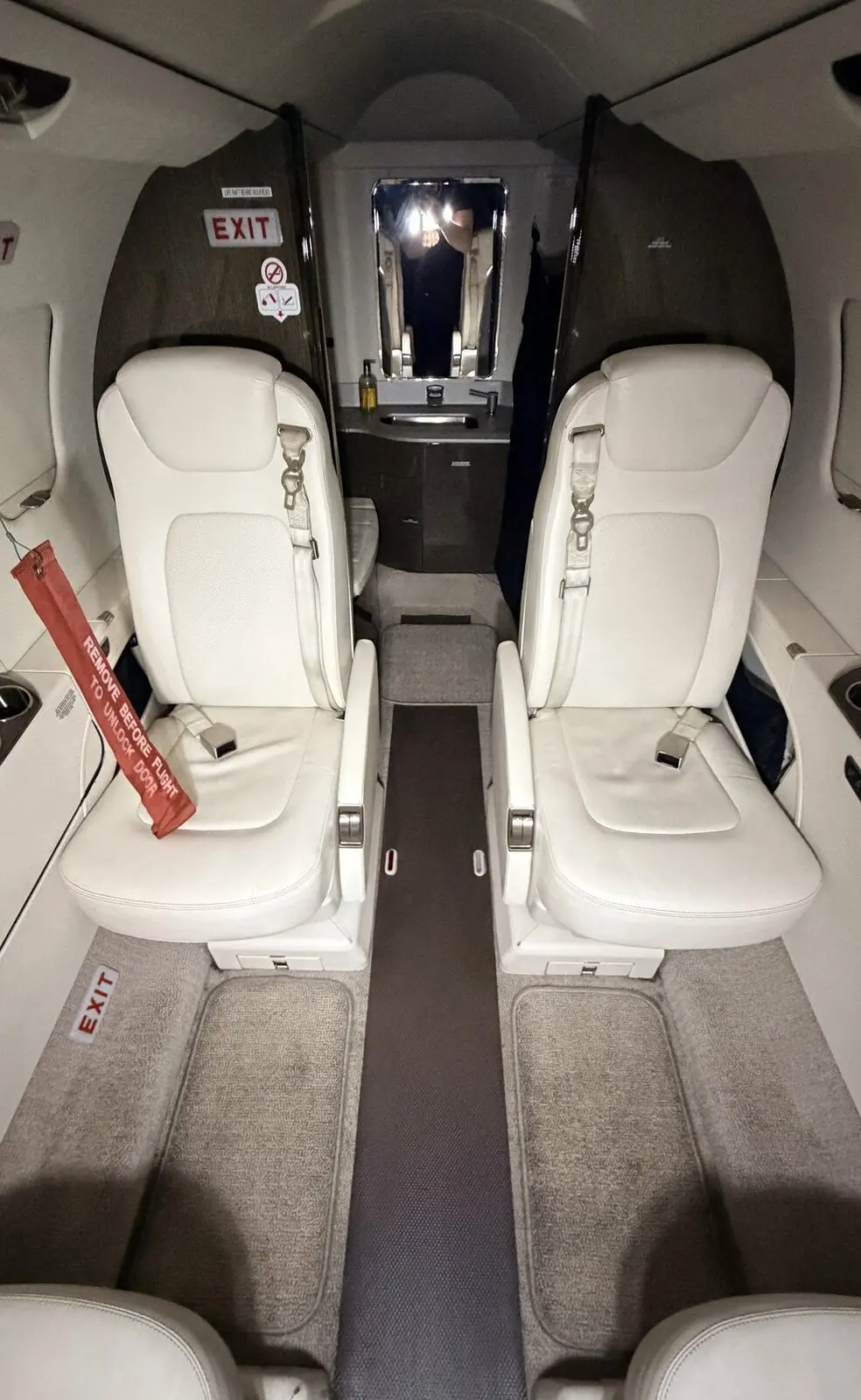
The Learjet 75 belongs to the final chapter of the Learjet family: a fast, compact business jet with a cabin that rewards disciplined layout and punishes sloppy detailing. The aisle is narrow, the seats sit close to the sidewalls, the belt webbing is highly visible against light leather, and carpet condition becomes part of the passenger’s first impression as soon as they step through the entry. It is an aircraft designed to move quickly and turn efficiently, so the detailing process has to work inside that reality.
This service was completed through an evening-to-overnight window at PWK. The exterior was documented for aircraft-condition context, but the corrective work centered on the cabin, carpeted areas, seatbelts, and passenger seating.
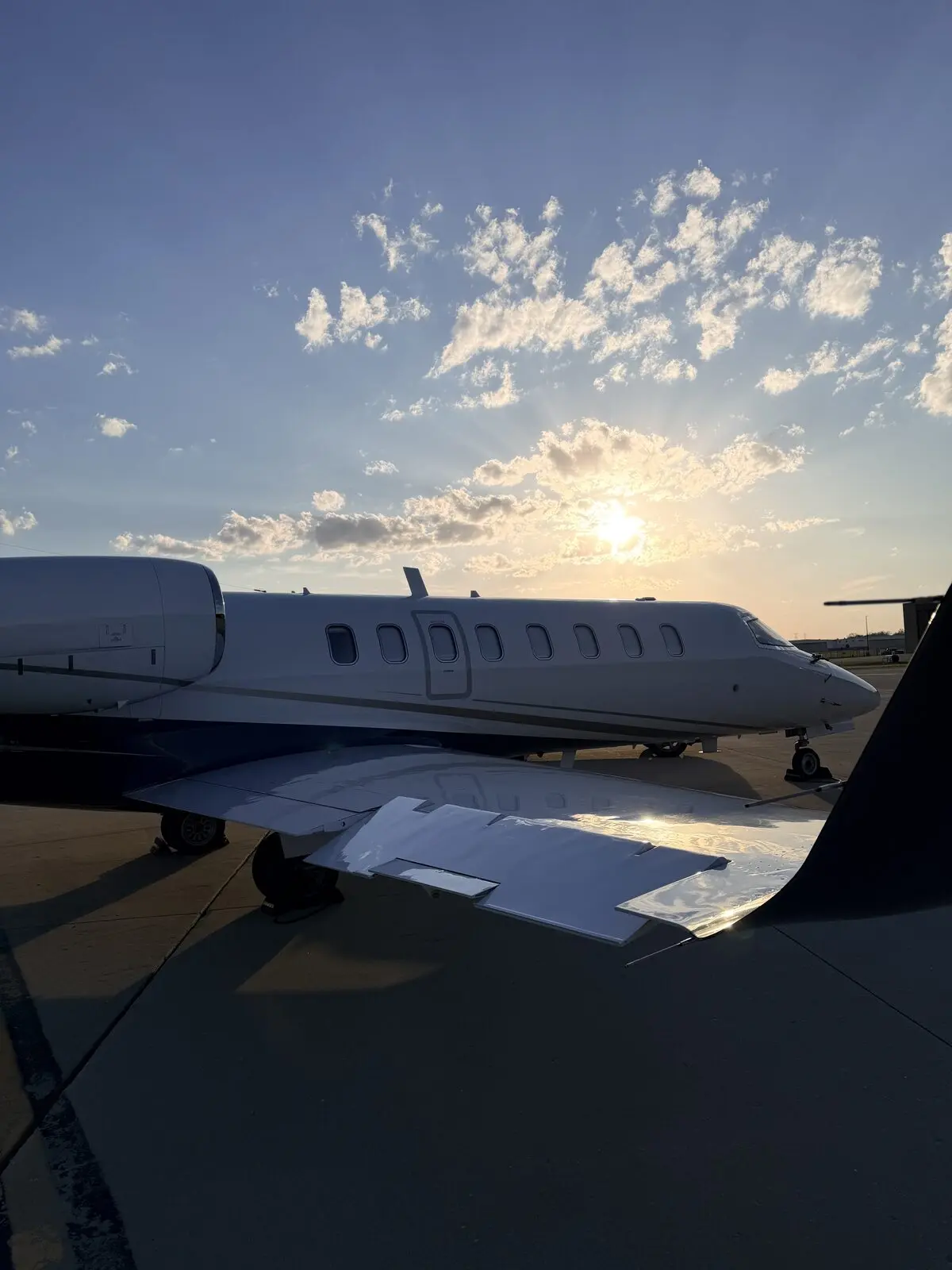
Aircraft Details
Initial Condition
The aircraft showed normal use-related buildup for a working light jet. The primary issues were in the high-contact areas: carpet traffic lanes, lav carpet, seat-adjacent floor zones, seatbelt webbing, and light leather seating surfaces. None of those areas required dramatic language. They required patient, aviation-aware cleaning in a tight cabin.
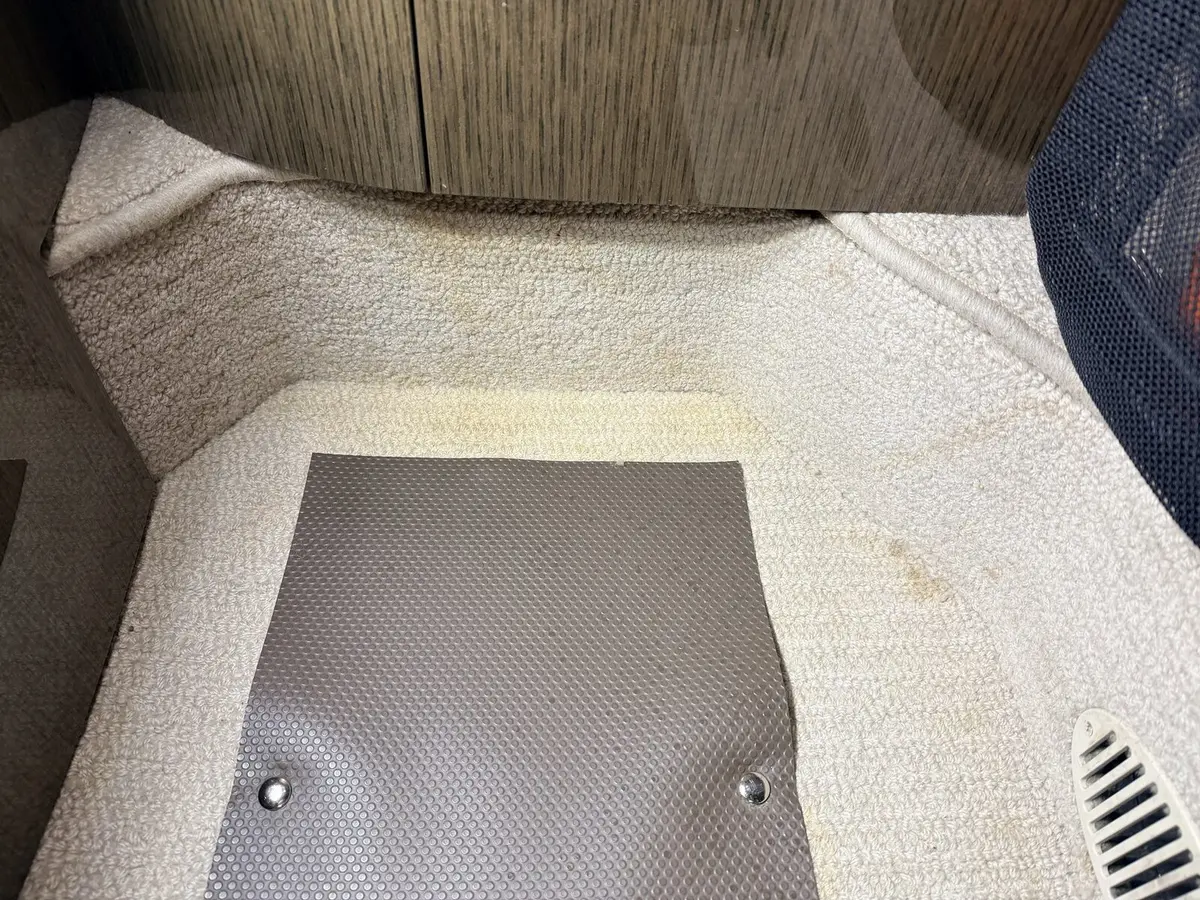
The carpet system showed traffic patterns and embedded material in the aisle, lav area, and seat-adjacent zones. Four heavier carpet problem spots required targeted stain treatment beyond standard extraction. In a Learjet cabin, those areas matter because the floor is never visually far away. Passengers look directly down into the aisle, into the entry area, and beside the seat bases during boarding and deplaning.
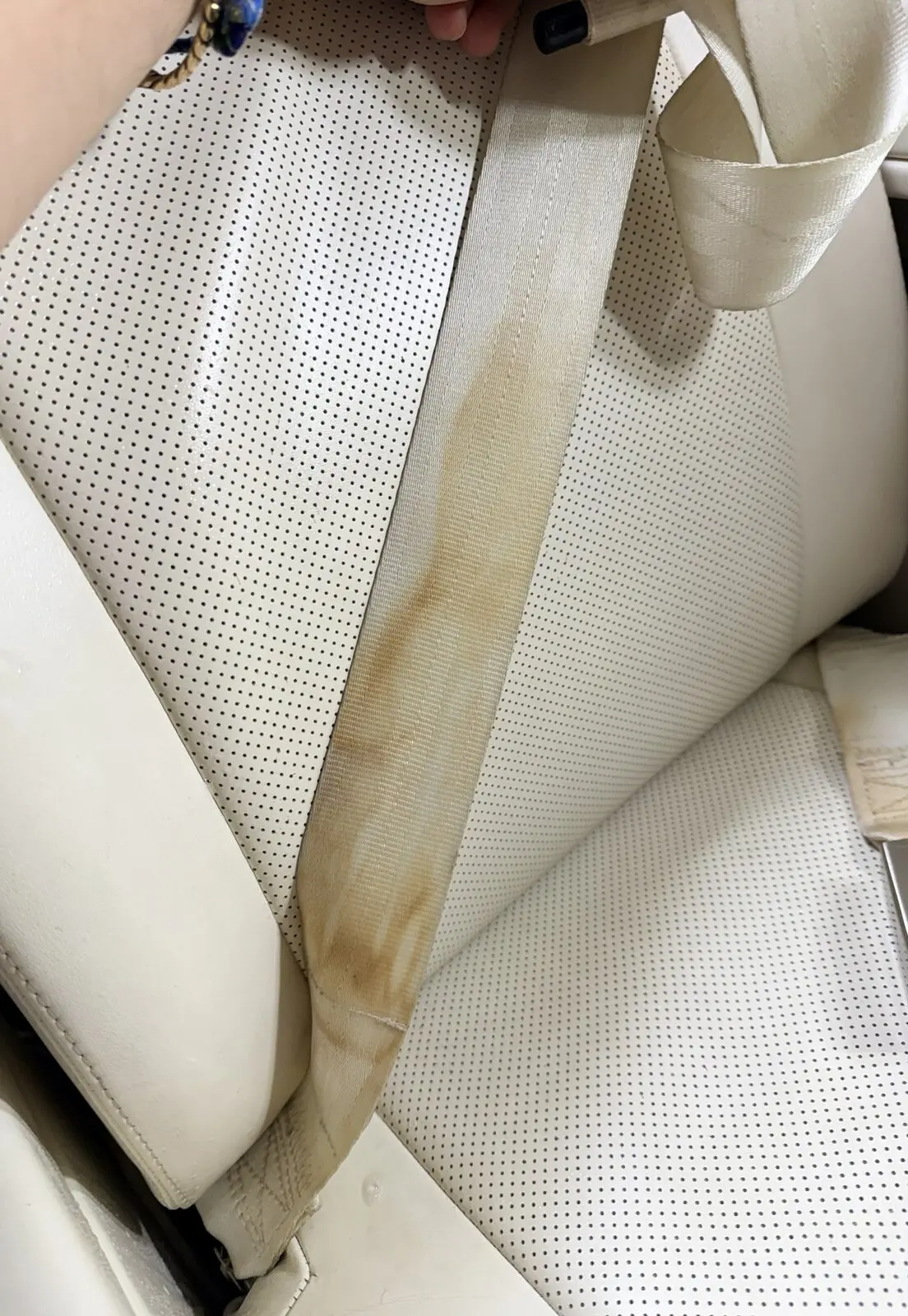
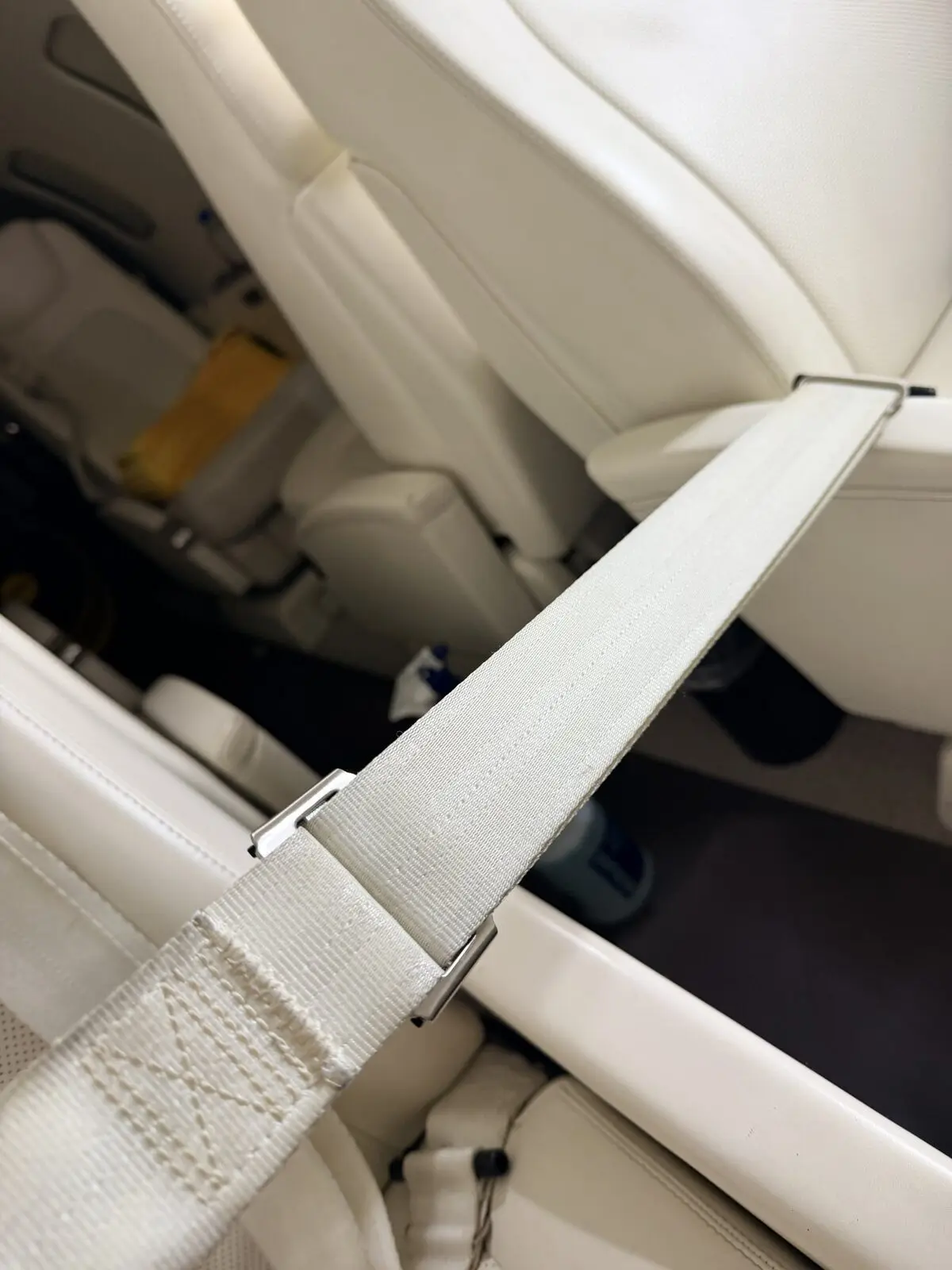
The seatbelts needed separate attention. Eleven belts were cleaned, including belts in the passenger cabin and crew seating areas. Light webbing makes residue, staining, and high-use transfer obvious. The cleaning approach had to improve presentation while avoiding heavy saturation, harsh agitation, or product residue around belt hardware.
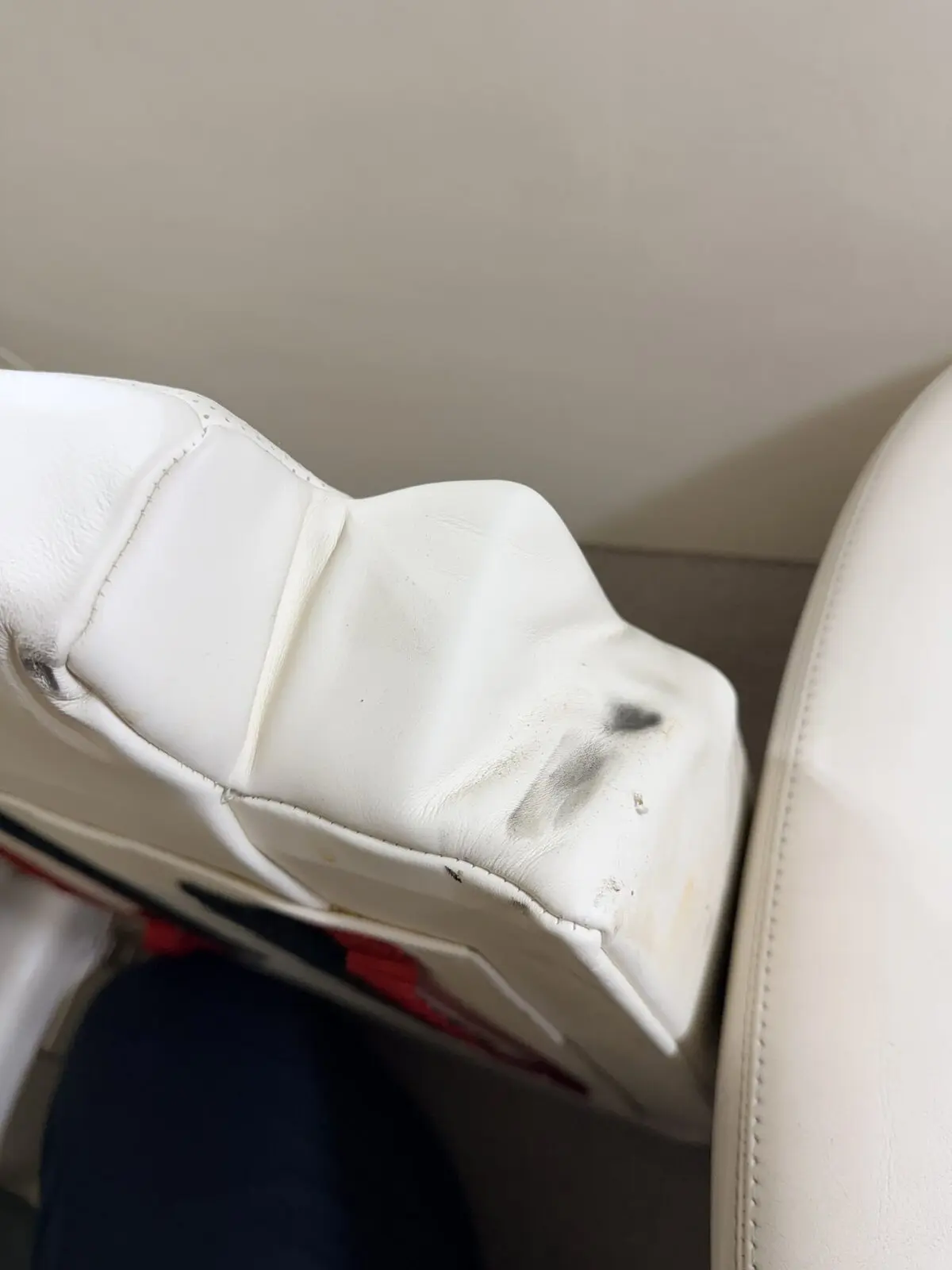
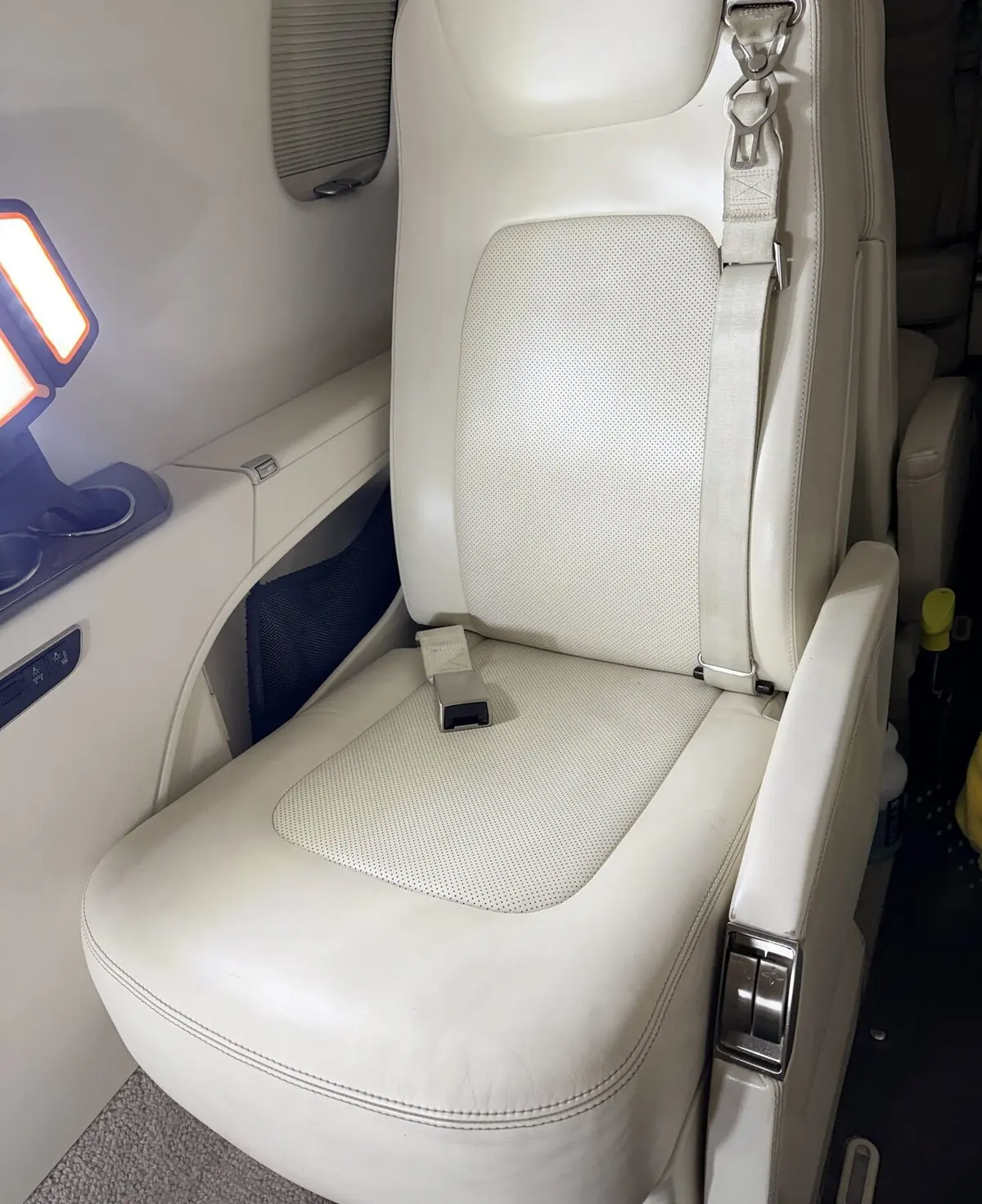
The light passenger-seat leather also showed visible transfer and localized staining, especially on high-touch cushions, bolsters, arm areas, and lower seat zones. The goal was controlled surface cleaning, not leather restoration, dye work, repair, or maintenance sign-off.
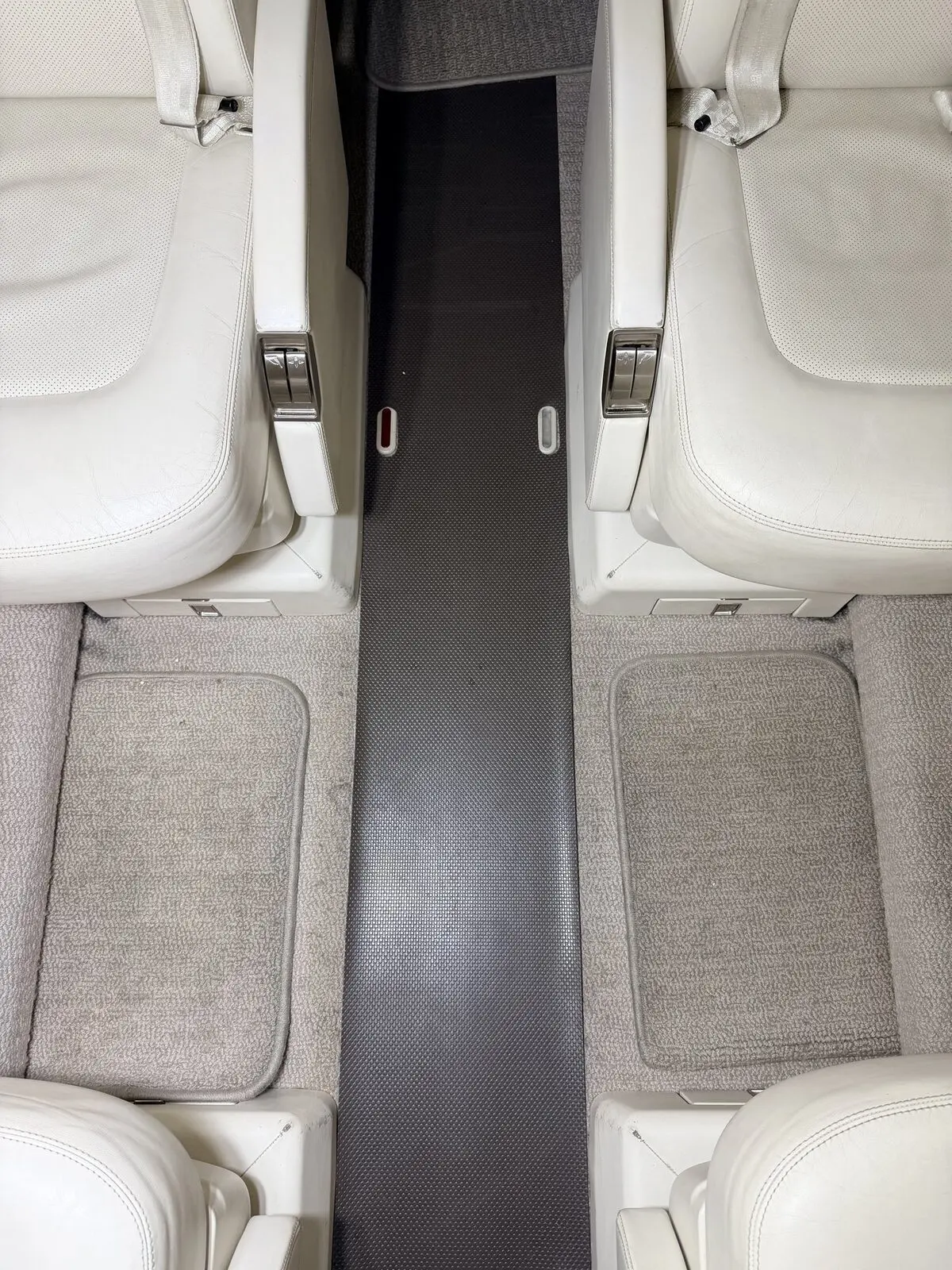
Scope Completed
- Interior reset and cabin vacuum
- Carpet extraction across aisle, lav, and seat-adjacent carpet zones
- Targeted stain treatment on four heavier carpet problem areas
- Seatbelt cleaning on eleven belts, including webbing and buckle-adjacent areas
- Passenger-seat leather cleaning on visible transfer and high-touch areas
- Careful cleaning around lower seat bases, floor covers, and tight cabin transitions
- Conservative wipe-down of interior hard surfaces
- Before-and-after photo documentation
Detailing Process
The work started with documentation and dry removal. Carpet extraction only works well after loose debris, fiber buildup, and embedded material have been lifted as much as possible. On an aircraft this compact, that step is not optional. If the aisle is rushed, soil gets pushed into edges, under seat bases, and around floor transitions.
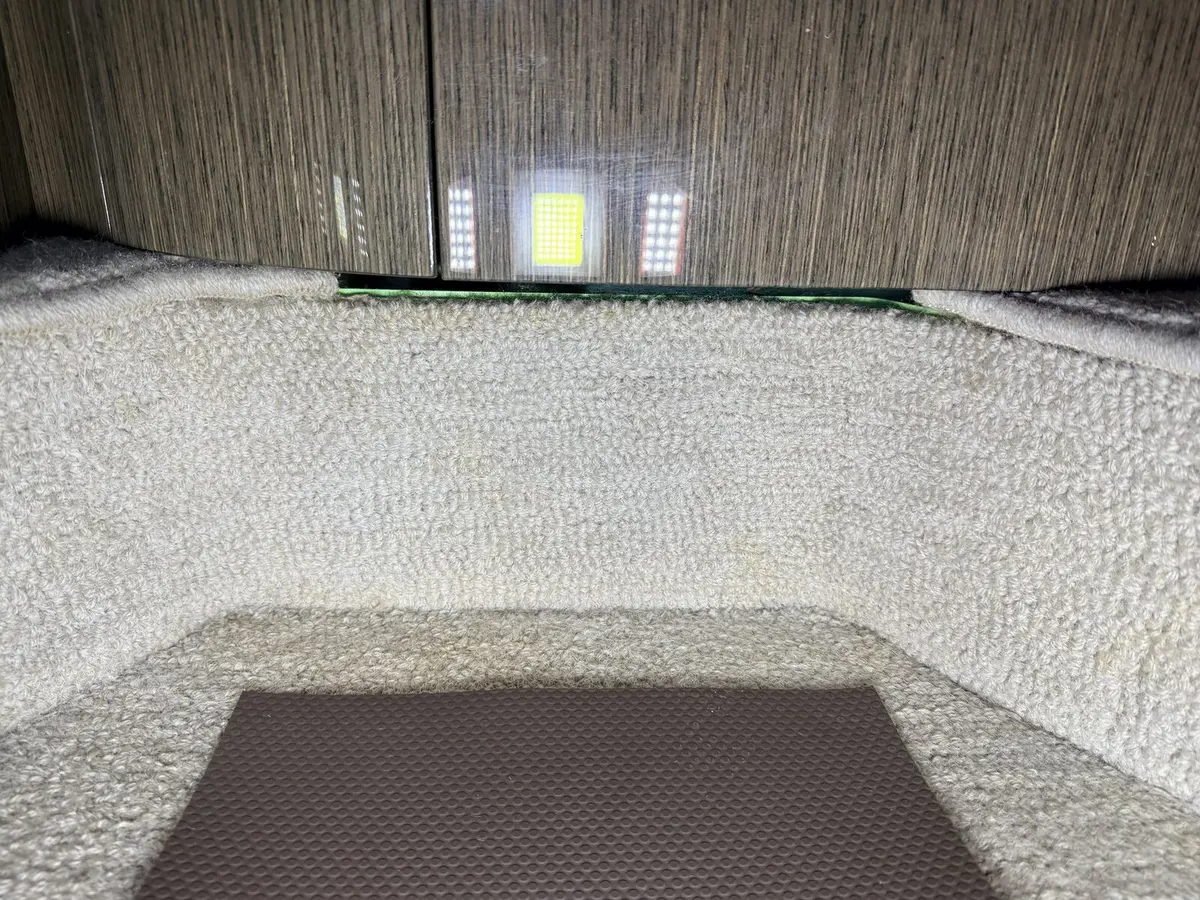
The carpet work was handled in stages. The main aisle, lav carpet, and seat-adjacent carpet zones were vacuumed, agitated where appropriate, treated, extracted, and checked again under direct light. The four heavier problem spots were addressed separately because normal extraction alone was not enough. That meant treating the stains as localized correction work, not as part of a generic pass through the cabin.
Lavatory Carpet — Stain Extraction
The seatbelt work required a different rhythm. Belt webbing is not a carpet and cannot be treated like one. Each belt had to be inspected, cleaned, and wiped down with attention to webbing texture, stitching, anchors, buckle-adjacent areas, and visible transfer. The goal was to improve appearance and remove surface contamination without over-wetting the belt or creating residue near hardware.
Seatbelt Webbing — Residue Removal
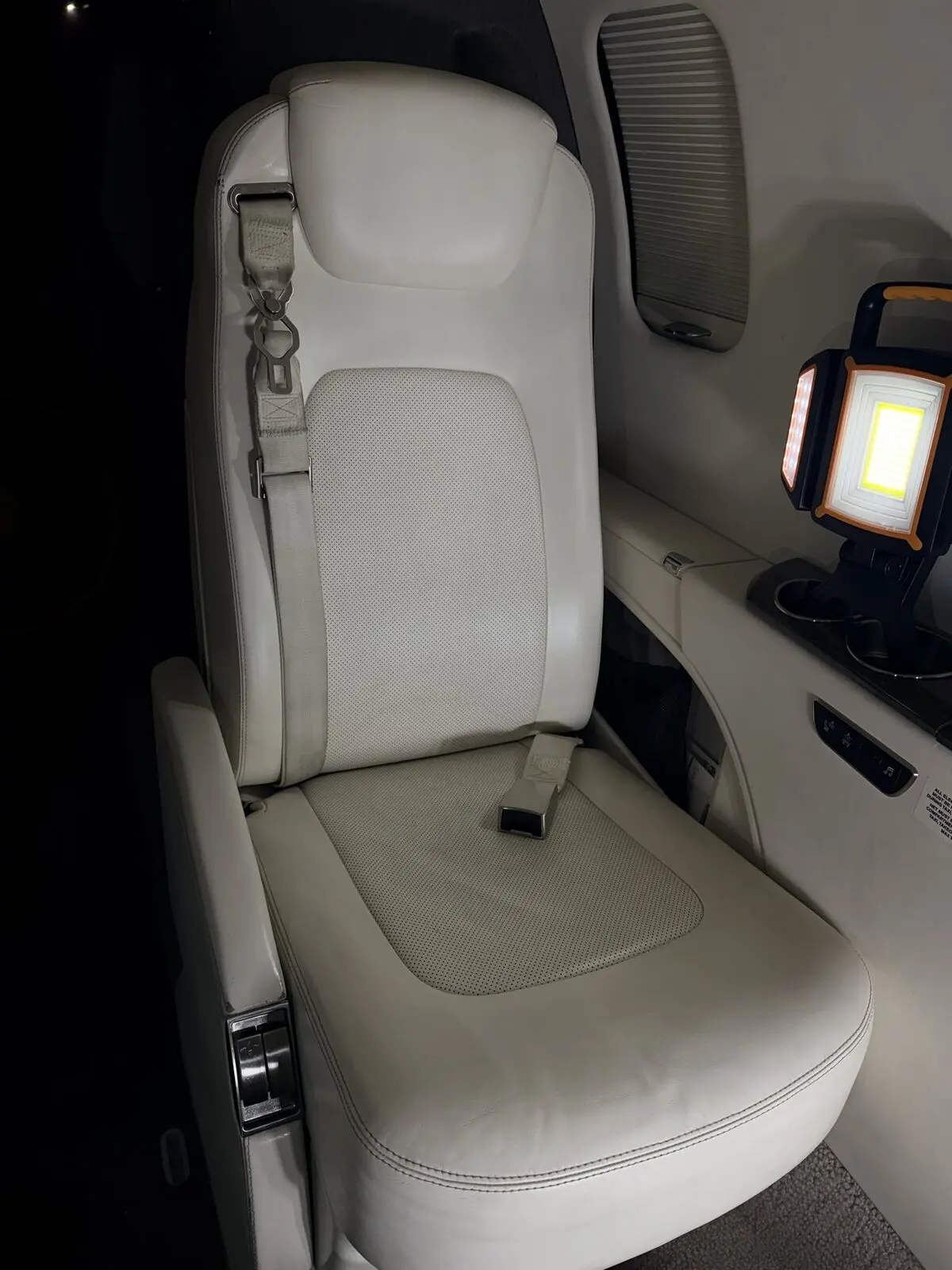
Seat leather was handled conservatively. The Learjet 75 cabin uses light seating surfaces that make even small transfer marks visible. The cleaning focused on passenger-facing presentation areas: cushions, bolsters, arm contact points, lower seat areas, and spots where passengers naturally brush the leather while entering and exiting the seat. This was a cleaning service, performed with restraint around aircraft materials.
Passenger Seat Leather — Transfer Cleaning
Aircraft-Specific Care Notes
Aircraft interiors are dense operating environments. The same few square feet include upholstery, webbing, trim, placards, tracks, finished cabinetry, seat hardware, controls, screens, emergency equipment, and passenger amenities. A good result depends on knowing what to improve and what to leave alone.
Aircraft windows are typically acrylic or polycarbonate rather than automotive glass, so harsh glass products, abrasive towels, and dirty applicators are avoided. Cockpit areas require restraint around avionics, screens, switches, placards, yokes, throttles, and controls. Seatbelts require care around webbing and hardware. Leather requires mild product use and controlled moisture. Carpet extraction requires enough correction to improve the floor without over-wetting the cabin.
Key principle: The standard is controlled improvement. Remove the visible residue, document the work, improve the passenger-facing cabin, and avoid crossing into maintenance or unapproved restoration.
Final Result
The cabin finished cleaner, tighter, and more aligned with the expected standard for a working business jet. Carpet traffic areas were improved, the lav carpet presented better after extraction, and the four problem spots received targeted attention beyond a standard extraction pass.
The seatbelts presented cleaner after individual attention, which matters in a light cabin where belt webbing sits directly across the passenger seat. The leather seating areas also looked more controlled after localized cleaning of visible transfer and high-touch zones.
For this type of aircraft, the value is not theatrical. It is operational presentation. The aircraft needs to look ready without creating schedule friction. The completed work supported that goal: a cleaner cabin, documented condition photos, and a more professional passenger environment inside one of the most recognizable light jets in business aviation.
Recommended Next Steps
- Seatbelt webbing should be added to recurring interior checks. Belts are easy to overlook during quick turns, but they are one of the first surfaces passengers physically handle.
- The carpets should receive periodic extraction before traffic patterns become a larger correction project. A light jet cabin concentrates foot traffic into a narrow path, so aisle, entry, and seat-adjacent carpet zones need more frequent attention than they appear to need at first glance.
- The light leather should be monitored for dye transfer, high-touch residue, and localized staining. Early cleaning keeps the cabin looking controlled and reduces the need for more aggressive correction later.