
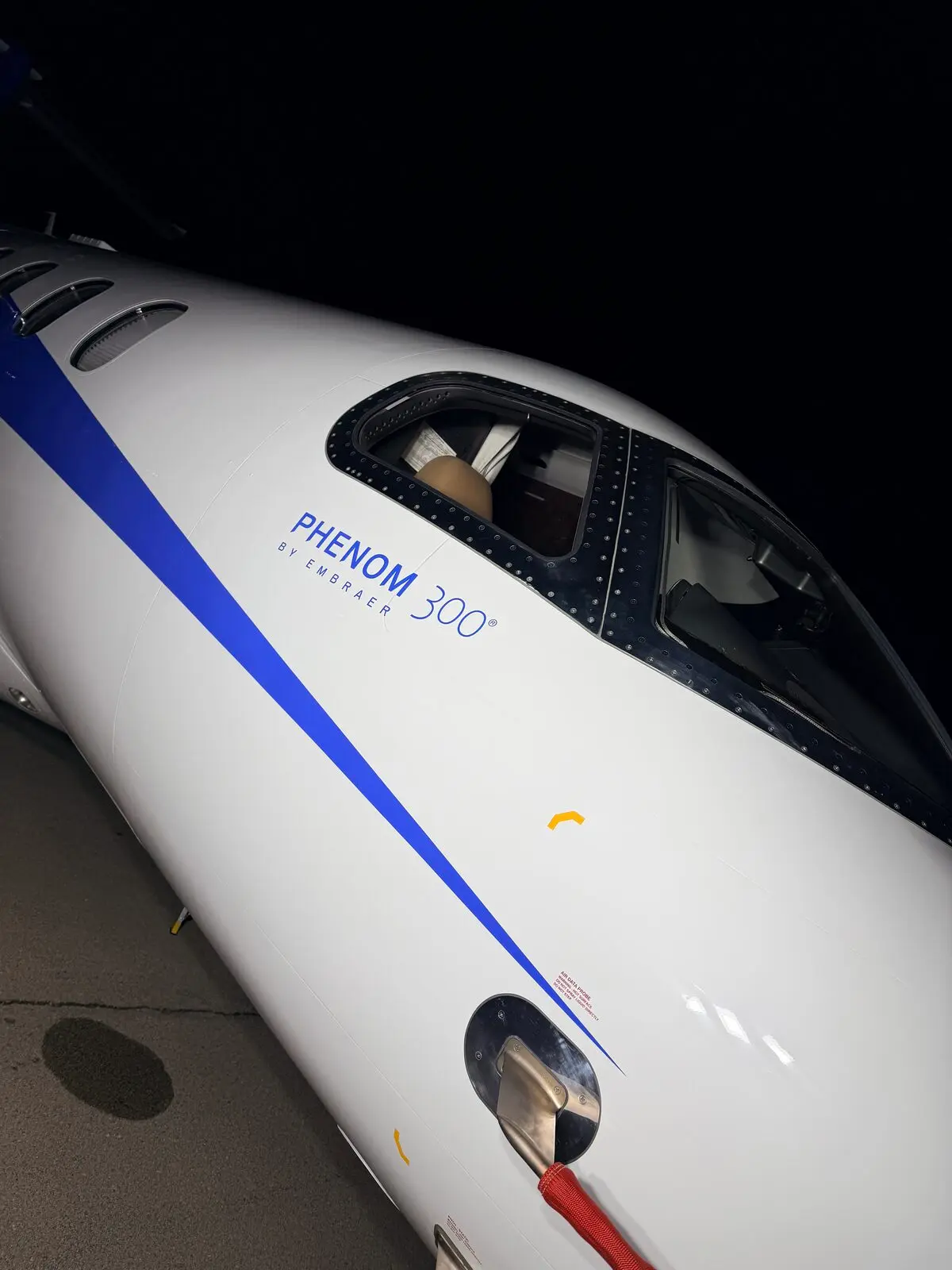
This Phenom 300 project was an overnight detail at Chicago Midway, completed around active aviation operations and a maintenance event. The aircraft needed an exterior wash, a full interior reset, carpet extraction, pet hair removal, and focused galley stain correction. The Phenom 300 is a compact jet with a serious charter workload: fast, efficient, highly utilized, and tight enough inside that every move has to be planned.
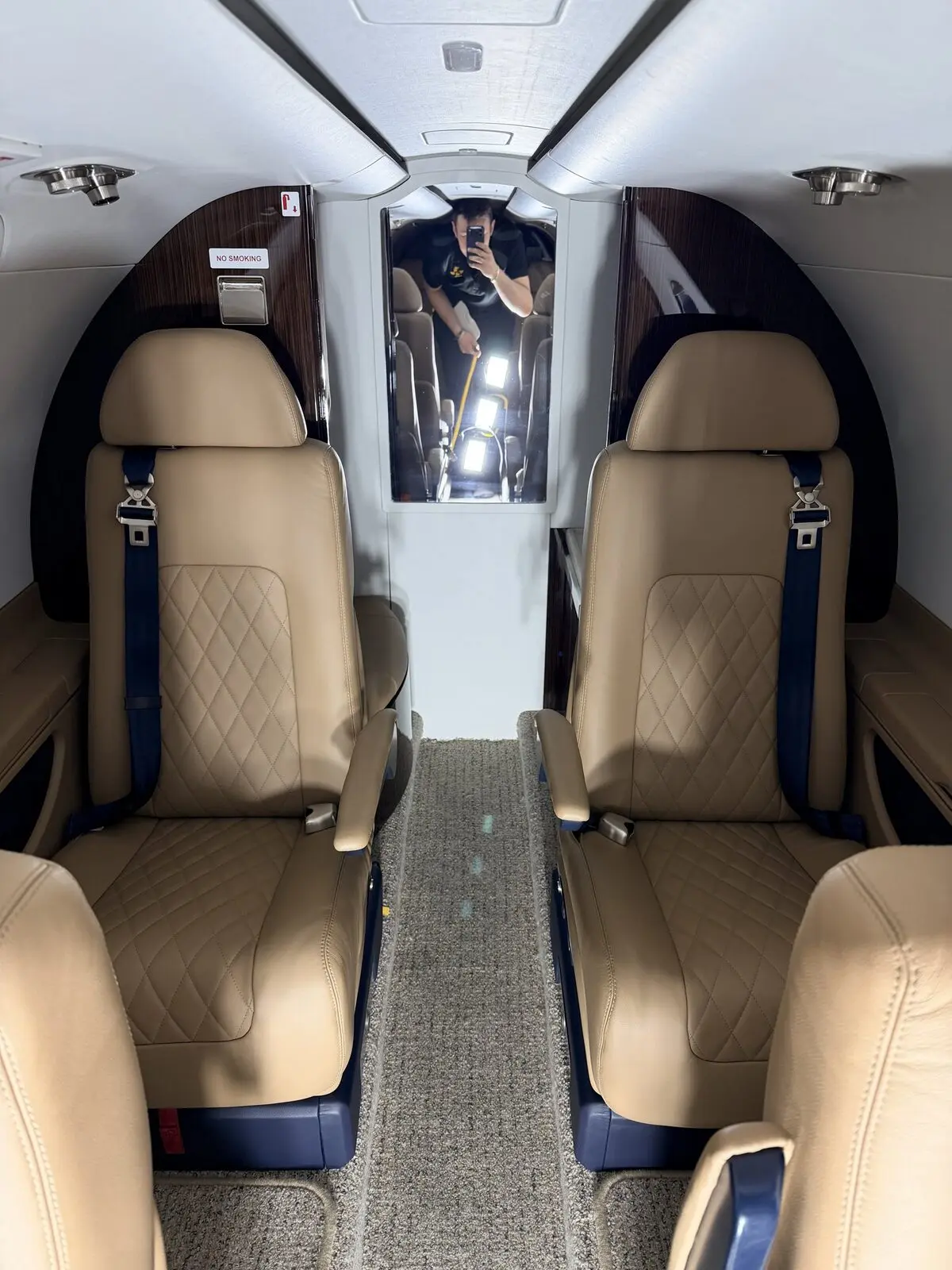
The aircraft was under the stars with the Chicago skyline in the background, but the real story was inside the cabin. A light jet gives you less room to hide disorder. The aisle is narrow, the carpet panels are close to the seating, the galley is compact, and the cabin surfaces are close enough that one stain or neglected carpet area changes the whole impression.
Project Details
Initial Condition
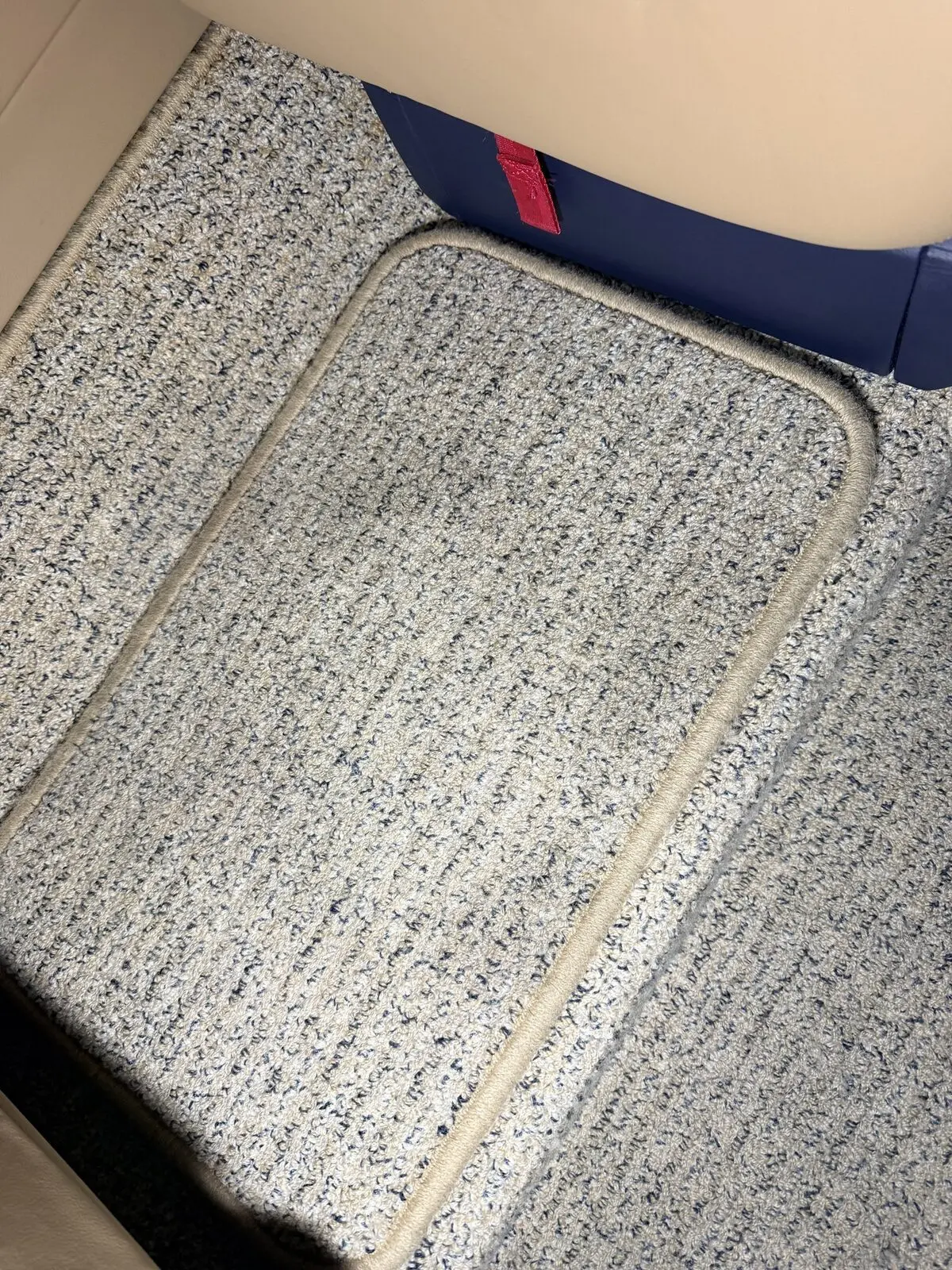
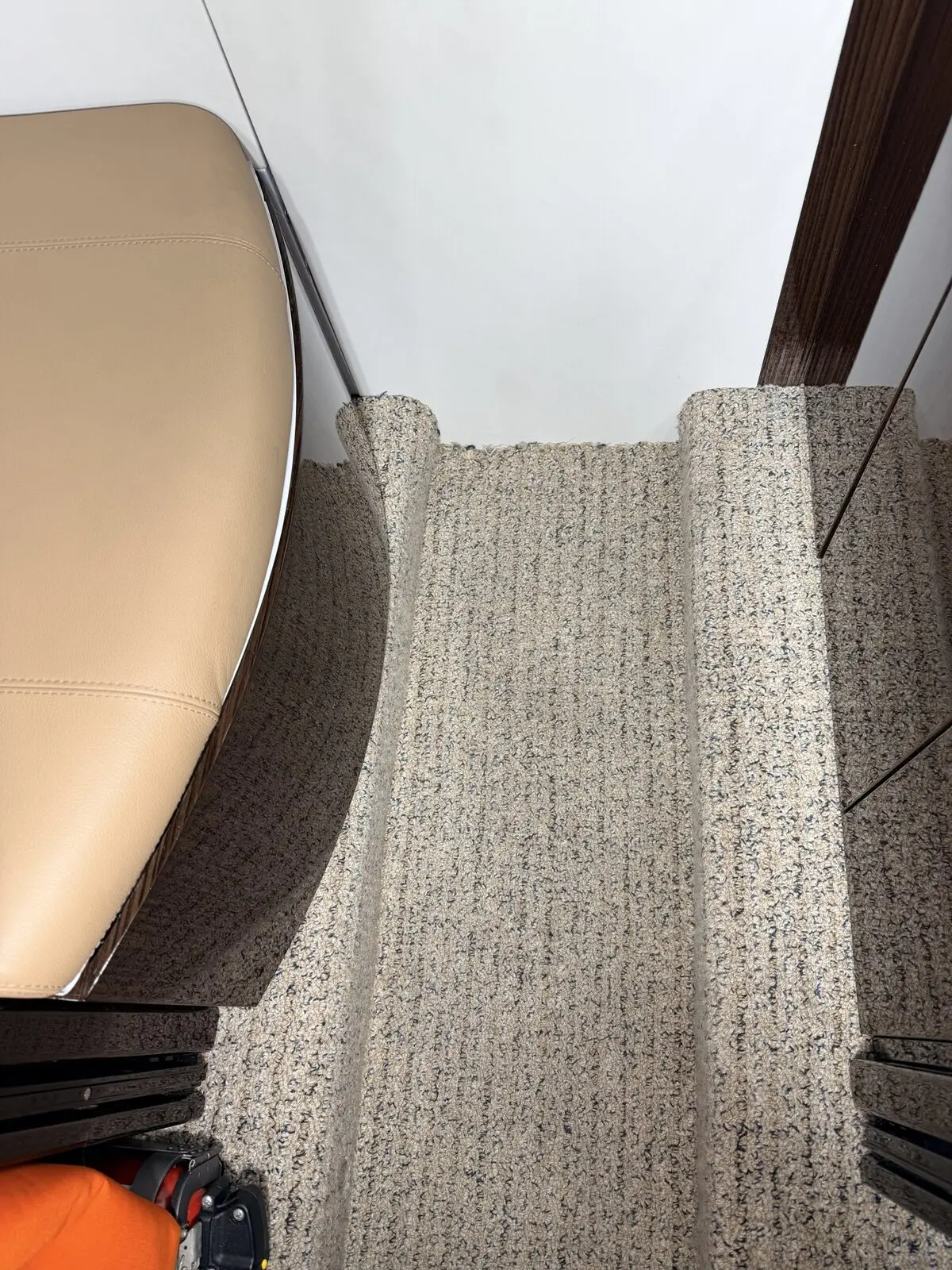
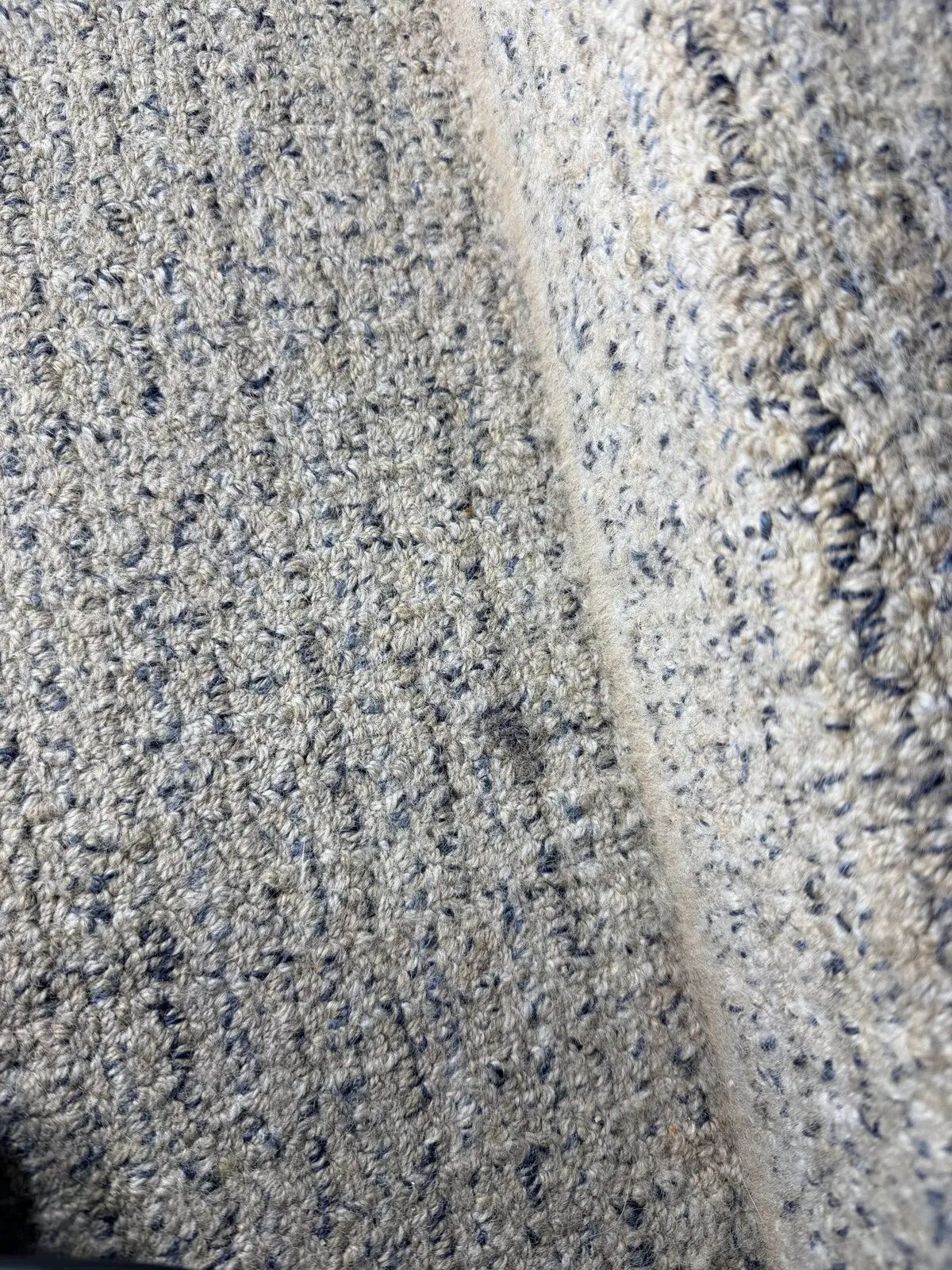
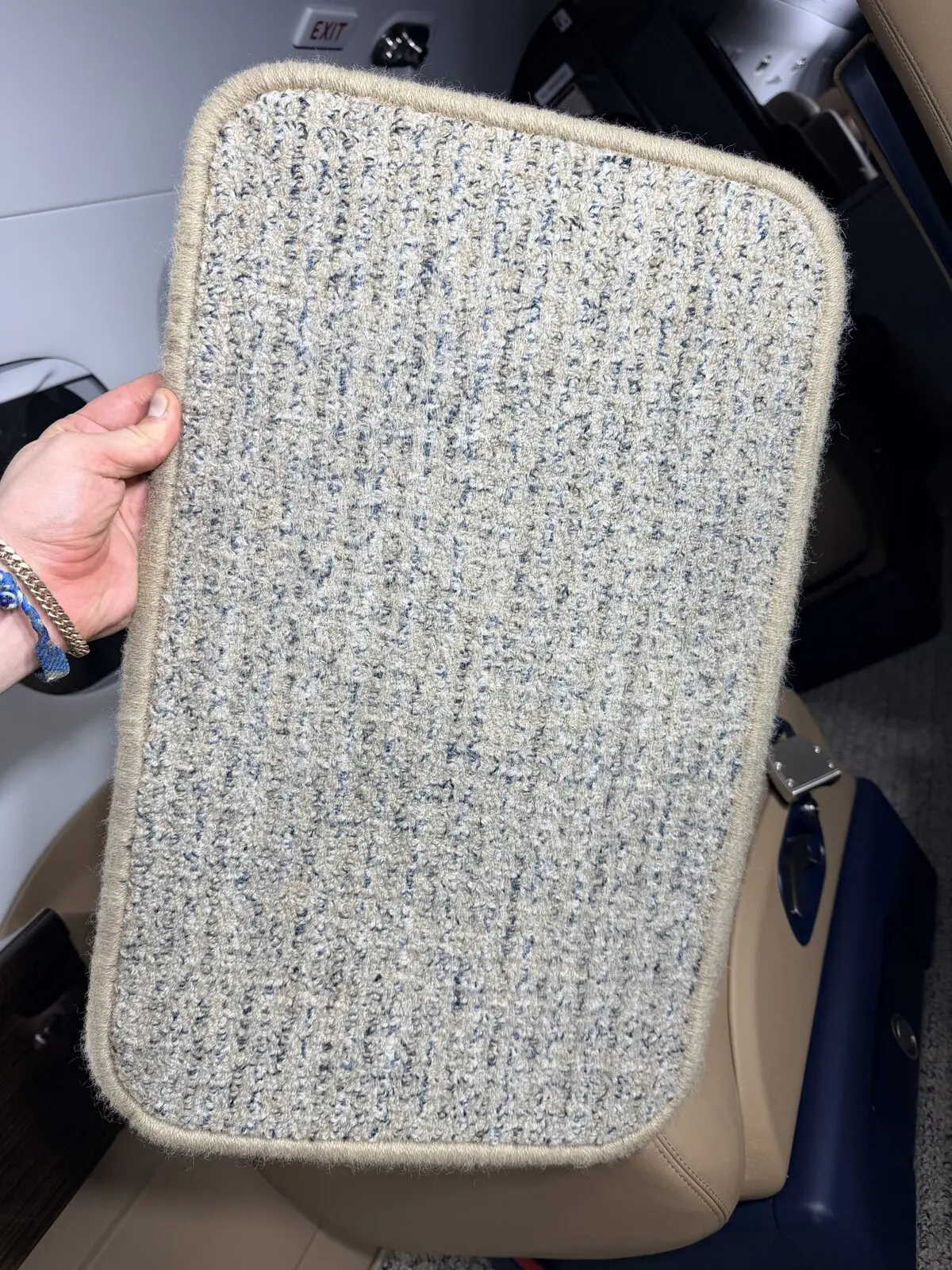
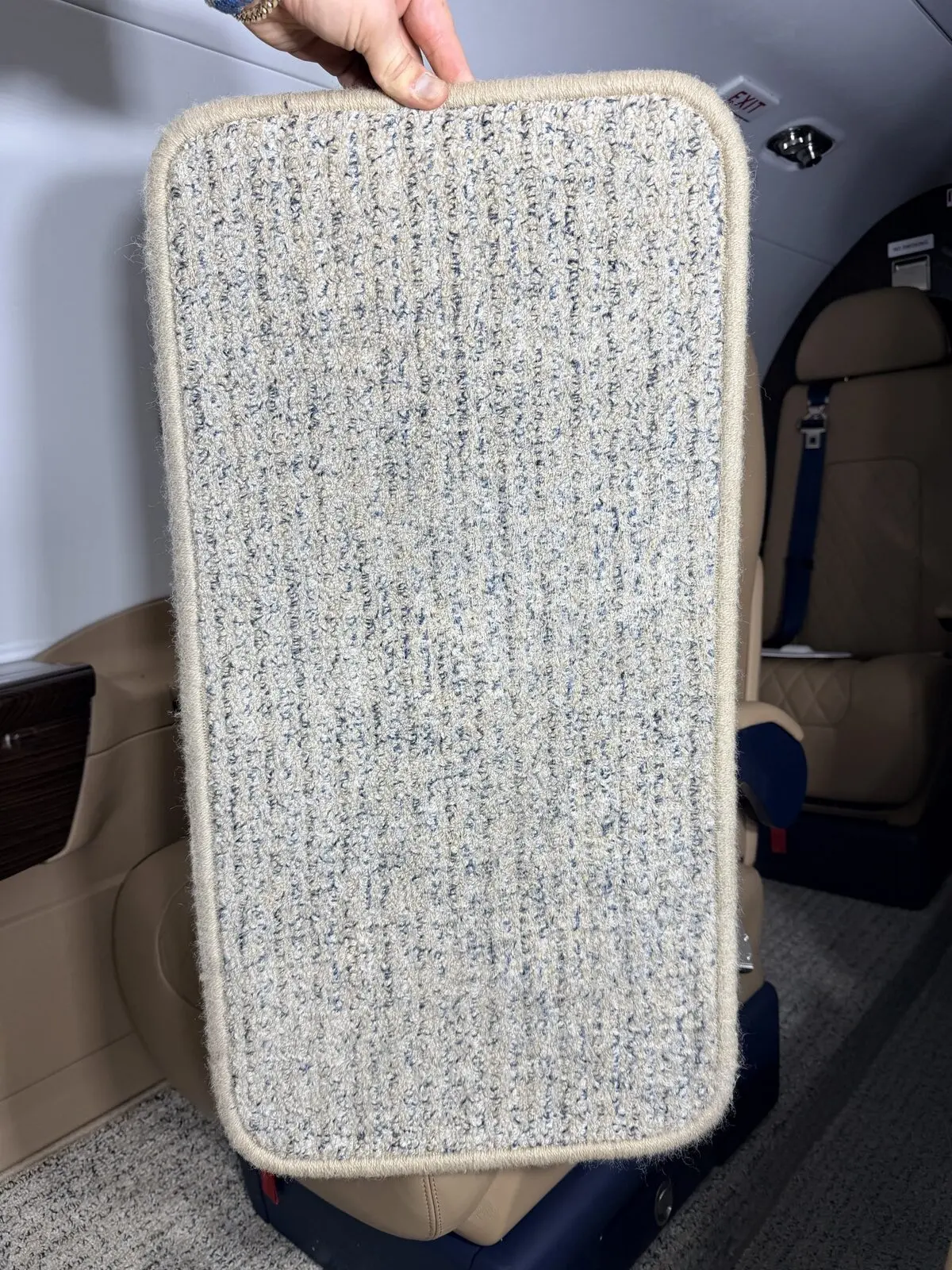
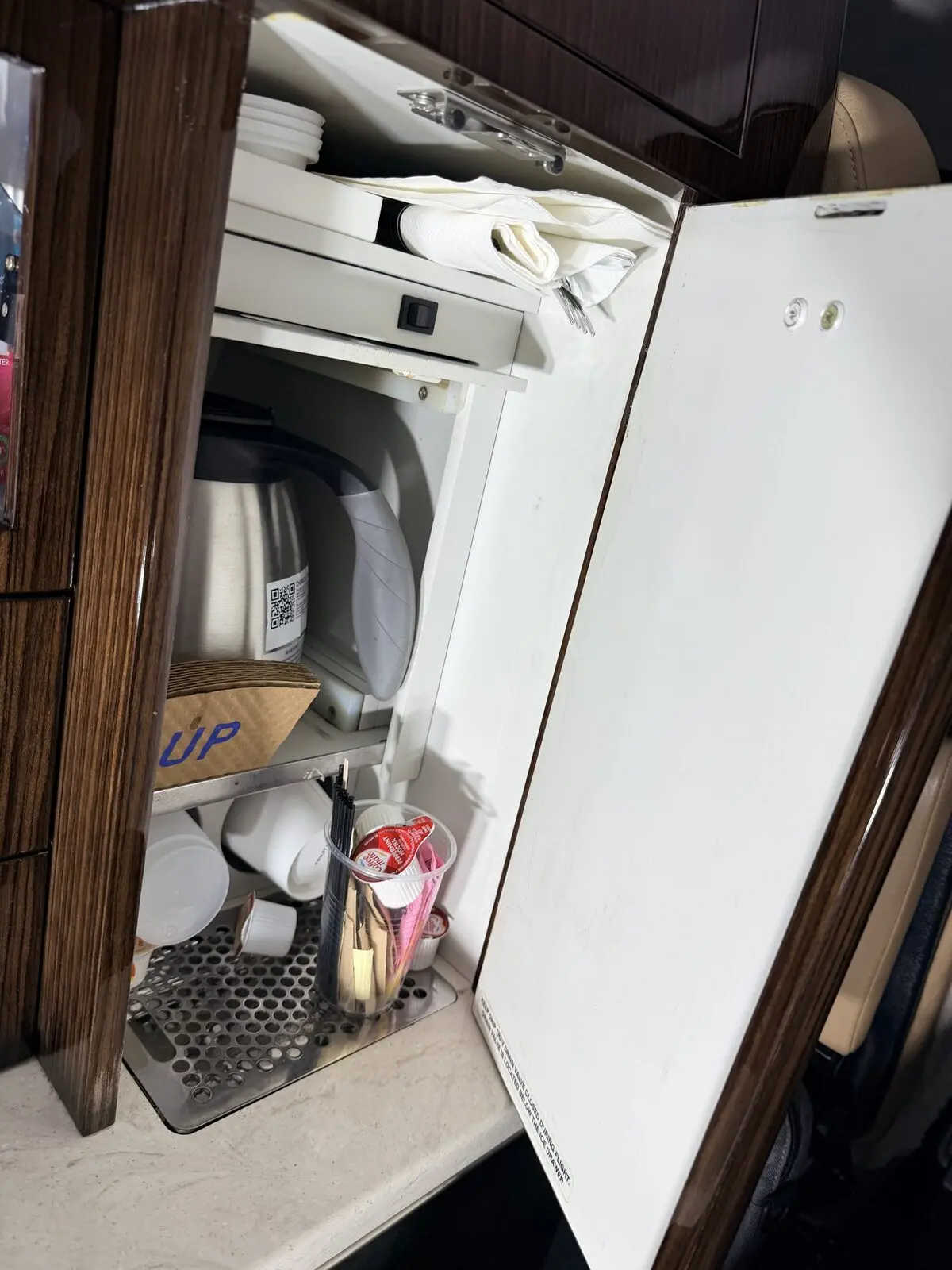
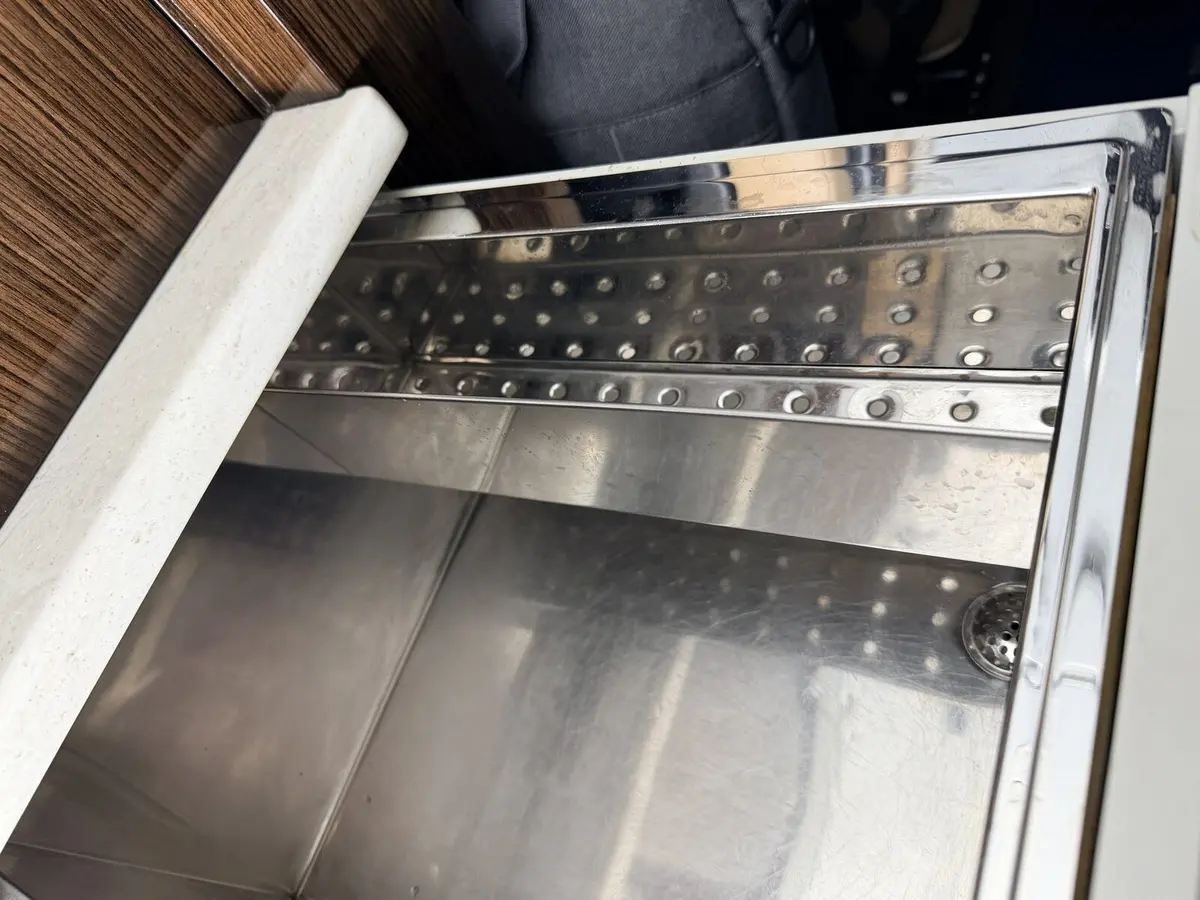
The most significant concern was the carpet system. There were multiple areas of spotting, pet hair, fiber contamination, and removable carpet panels that needed extraction rather than a basic vacuum. The galley coffee area and ice chest also showed staining from normal service use. These are predictable pressure points in a charter aircraft: carpet under passenger traffic, galley surfaces under catering use, and lower cabin areas that collect debris during quick turns.
The smaller cabin made the work more physical. A technician has to work around seats, ledges, cabinetry, and narrow aisle geometry without rubbing tools against finished surfaces. The practical answer is that the work can be done, but it has to be sequenced: carpets, galley, seats, sidewalls, cockpit, then final reset.
Scope Completed
- Exterior wash and ramp presentation cleaning
- Interior Level 2 cabin and cockpit detail
- Carpet extraction on removable and fixed carpet areas
- Pet hair removal from carpeted surfaces
- Galley coffee-area stain correction
- Ice chest cleaning and reset
- Seat and sidewall wipe-down
- Interior window cleaning using aircraft-aware methods
- Plated-surface and high-touch detail work
- Before-and-after photo documentation
Detailing Process
The exterior wash focused on the visible aircraft presentation points: nose, windshield, leading edges, handrail, fuselage, engine areas, belly, and landing-gear-adjacent grime. The Phenom’s ramp presence is compact, but its lines are sharp. Under night lighting, streaks, bug residue, and missed leading-edge contamination show quickly.
Inside, the carpet dictated the job. Pet hair removal and carpet extraction require more than one pass. First comes dry removal: vacuuming, agitation, and fiber lifting. Then comes spot treatment, controlled moisture, extraction, and drying awareness. On a jet, carpet extraction is not household carpet cleaning. Oversaturation is a material risk. The goal is visible correction while keeping the backing and cabin environment under control.
The galley needed the same discipline. Coffee areas and ice chests collect staining, sugar residue, fluid marks, and friction wear. In a small jet, those areas are close to passenger sightlines. Cleaning them well makes the cabin feel maintained rather than merely serviced.
Carpet Panel Extraction
Galley Coffee Area
Aircraft-Specific Care Notes
The Phenom 300 is a high-performing light jet, but from a detailing standpoint its defining feature is density. The cabin, cockpit, galley, and passenger seating are all packed into a compact footprint. That makes tool control, body positioning, and product restraint important.
Cockpit areas were handled conservatively, with no product applied directly to avionics, switches, screens, or controls. Cabin window work avoided harsh cleaners and abrasive towels. Carpet extraction was controlled to reduce moisture risk. Galley and trim surfaces were cleaned as aircraft interior materials, not household cabinetry.
Final Result
The aircraft presented cleanly under ramp lighting and the cabin returned to a sharper charter-ready standard. Carpet spotting improved, pet hair was removed from the documented areas, the galley and ice chest were reset, and the small cabin felt more orderly. The aircraft could keep moving through its operational schedule while still receiving corrective work that a quick turn would not normally address.
Exterior Detail
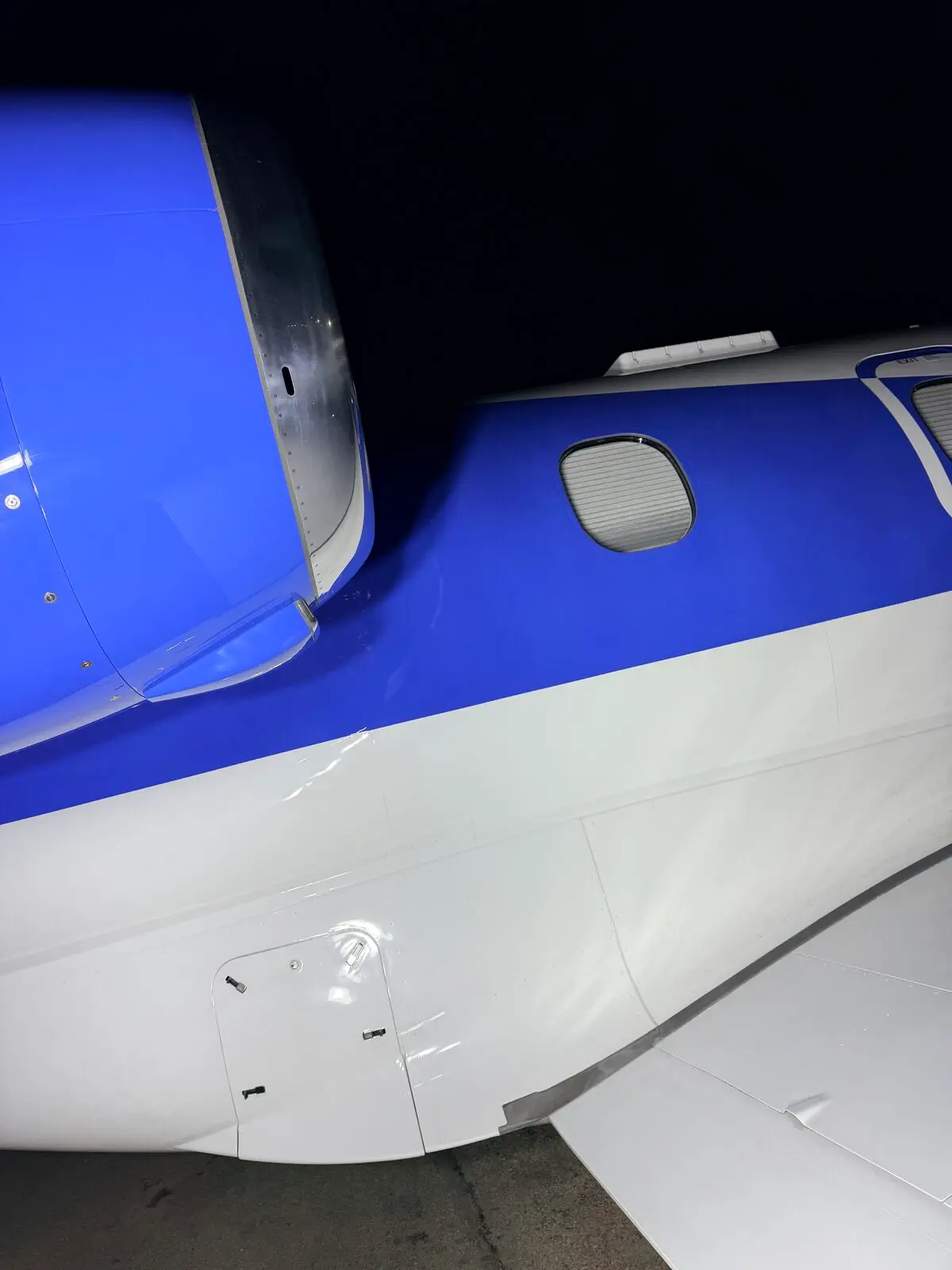
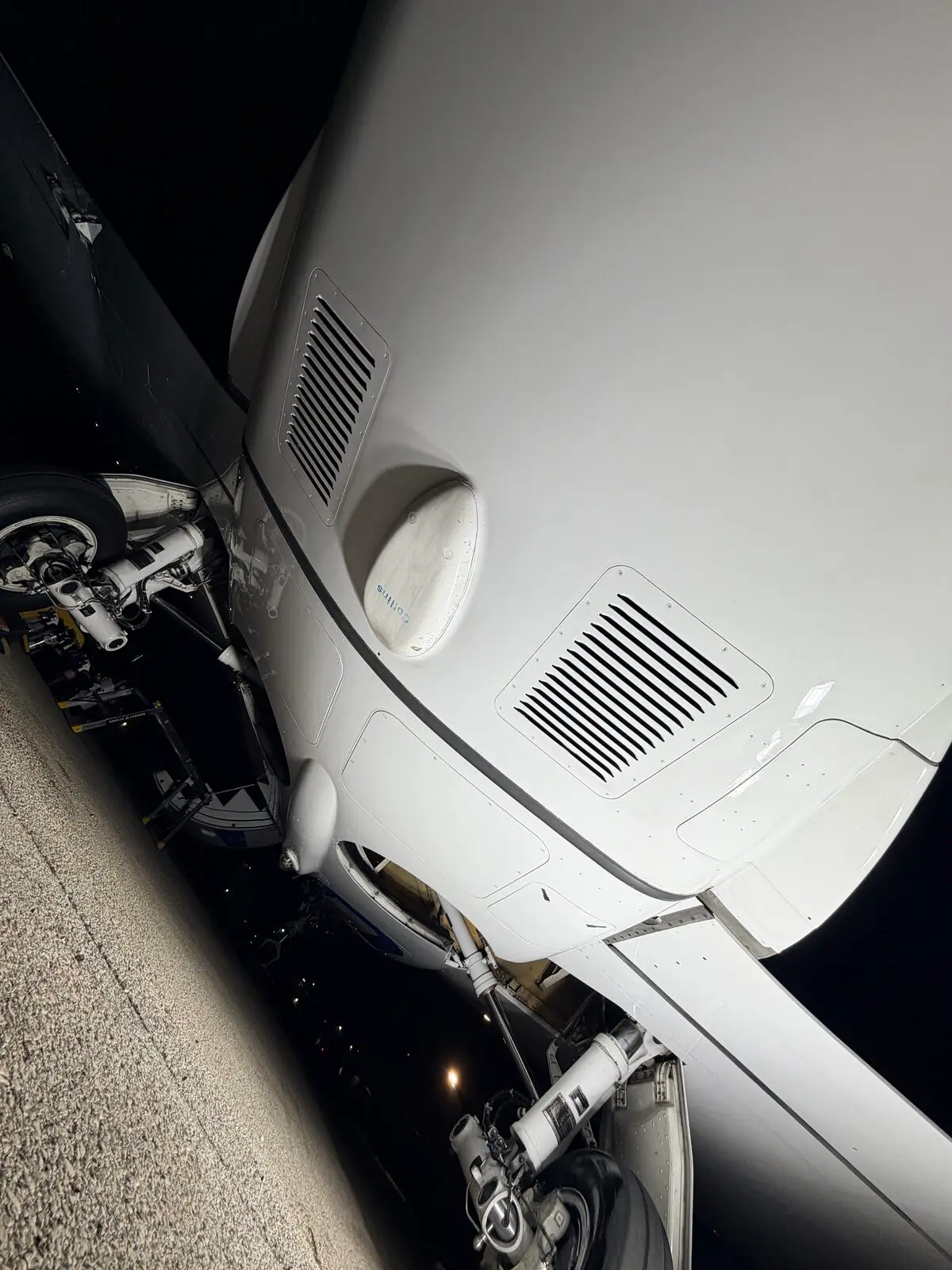
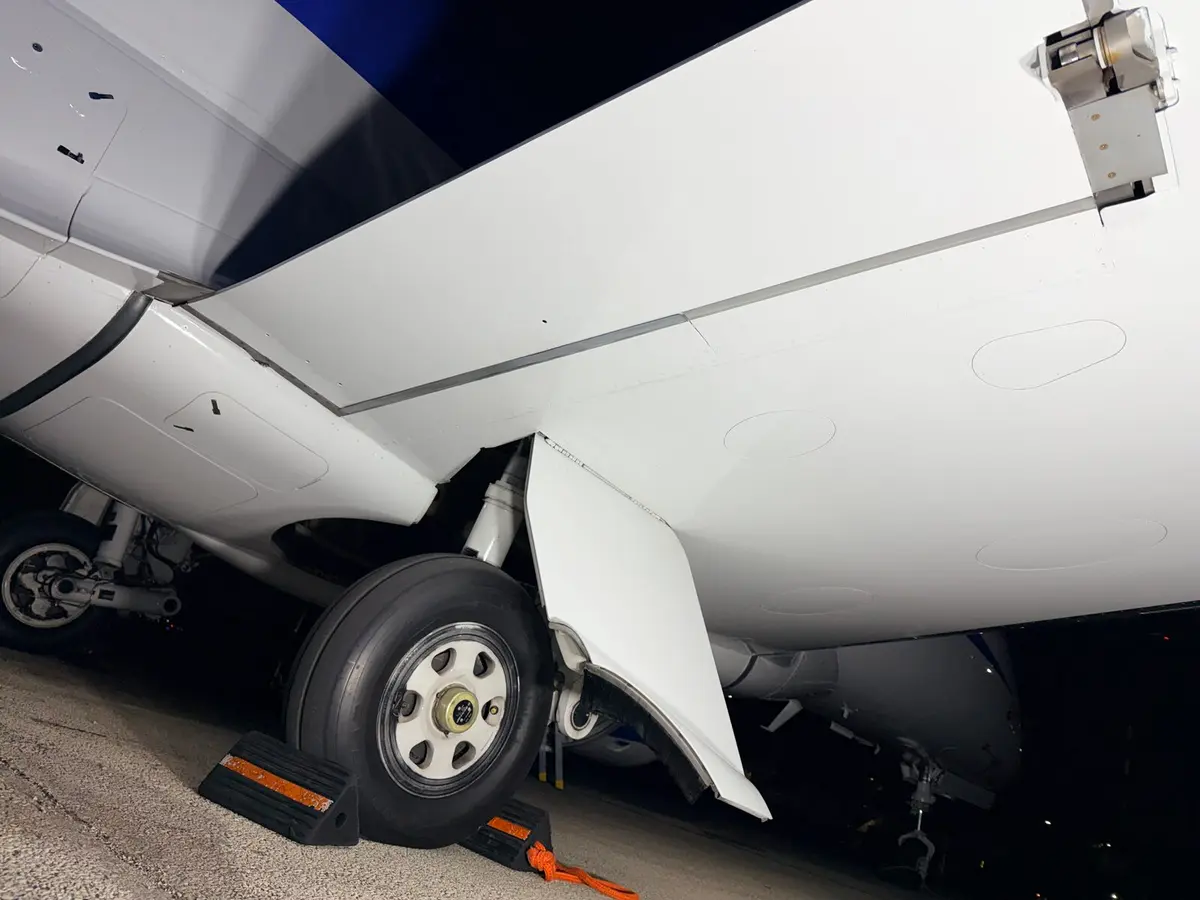
The overnight window allowed exterior attention alongside the interior reset. The Phenom 300's blue and white livery showed well under ramp lighting, but the fuselage, engine nacelles, underbelly, and landing-gear areas all needed hands-on work to bring the aircraft back to presentation standard. The exterior detail covered the full airframe — wing roots, paint transitions, engine cowlings, and the underside areas that accumulate exhaust soot, hydraulic residue, and ramp grime between scheduled washes.
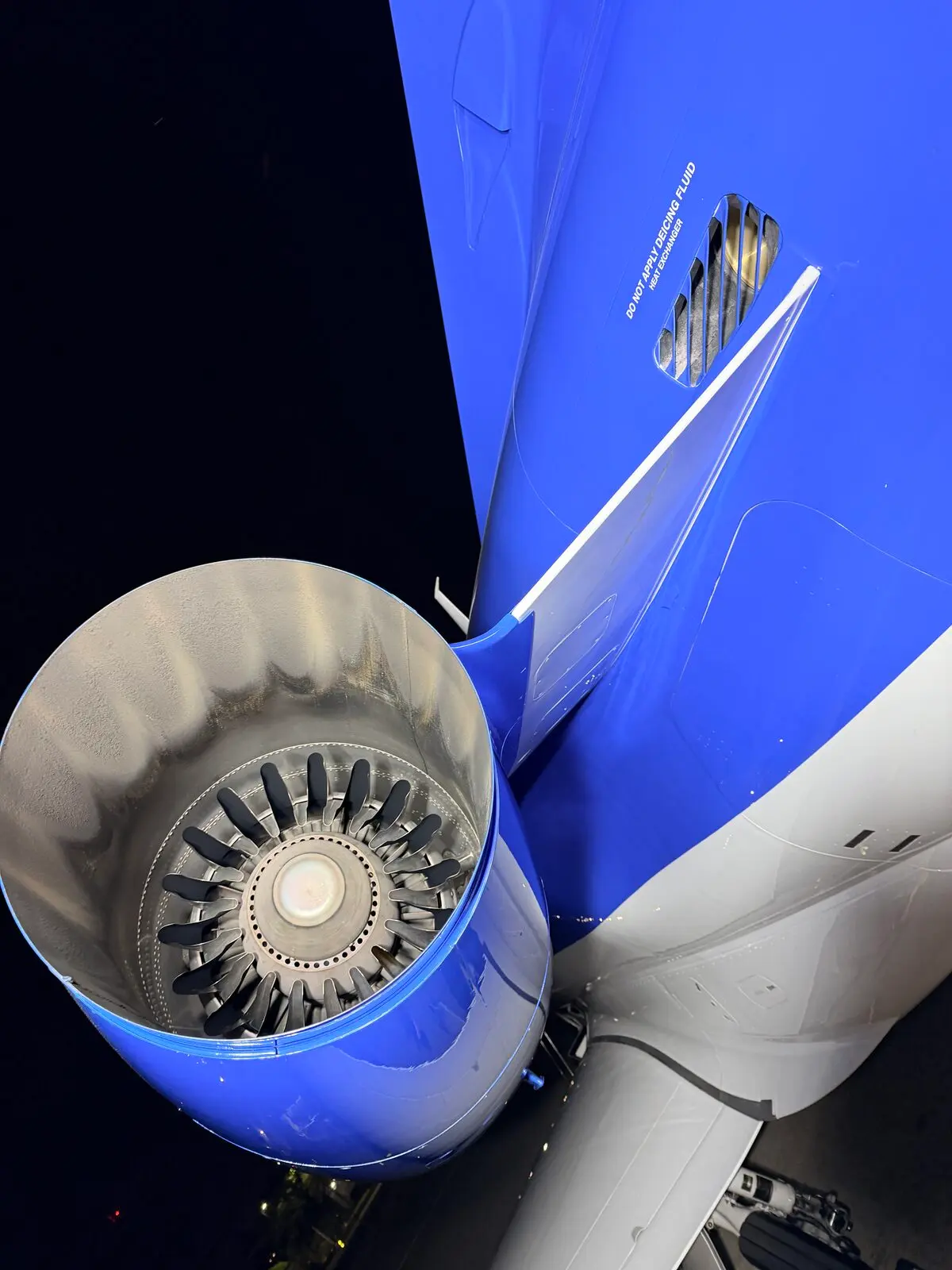
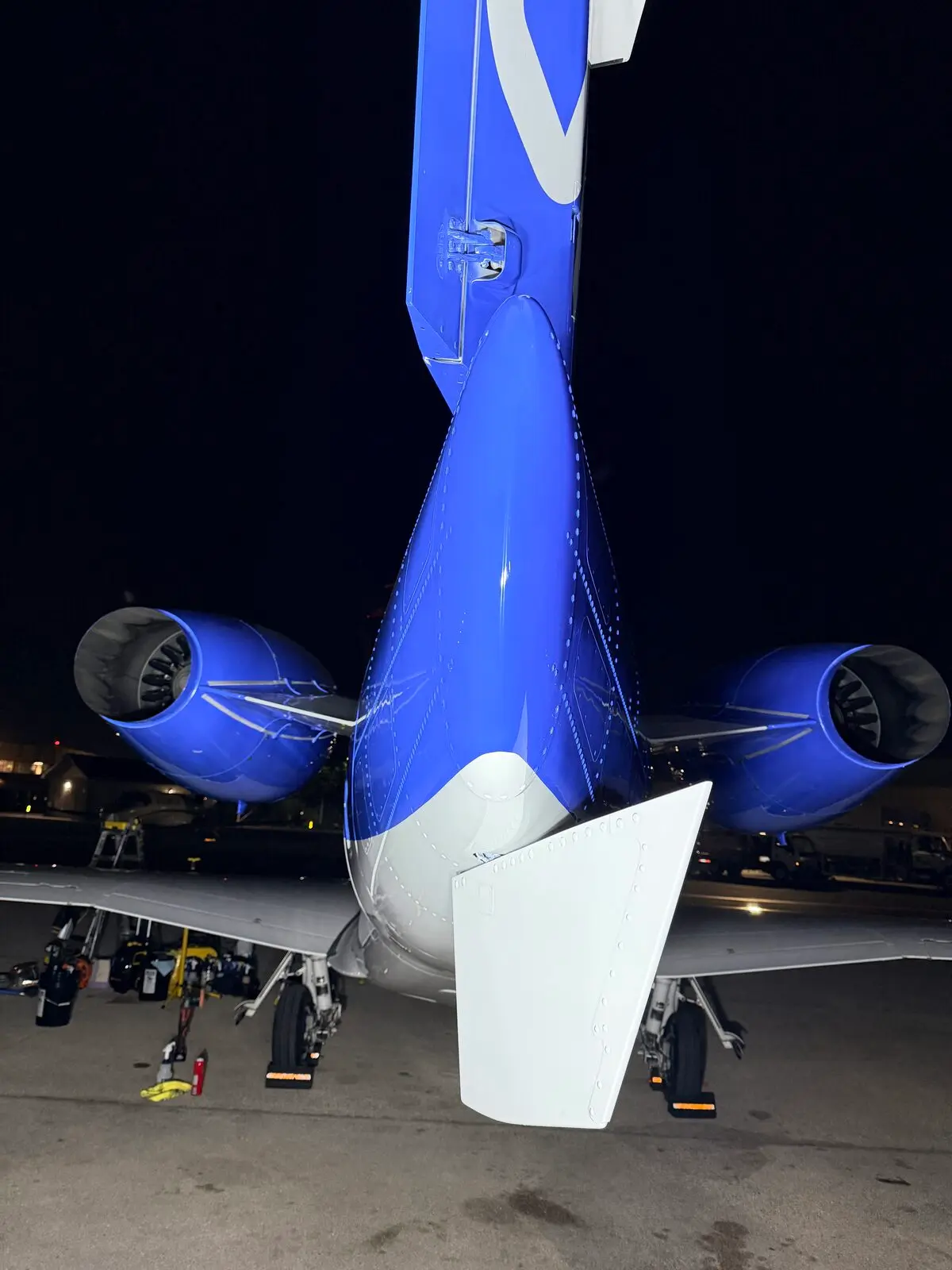
The tail section and rear fuselage were cleaned to remove exhaust residue that builds around the engine nacelles and T-tail base. The underbelly — including the nose gear bay, main gear wells, and lower fuselage panels — received focused decontamination where fluid, dirt, and brake dust collect in areas that are often skipped during quick-turn washes.
Recommended Next Step
For high-utilization Phenom 300 cabins, carpet maintenance should be scheduled before spotting becomes severe. A practical program would combine light interior resets, periodic carpet extraction, galley deep cleaning, and exterior presentation washes timed around overnight windows or maintenance events.
- Recurring light interior resets between major details
- Periodic carpet extraction before spotting becomes severe
- Galley deep cleaning on a regular schedule
- Exterior washes timed around overnight or maintenance windows
- Underbelly and landing-gear decontamination on a recurring schedule
- Leather conditioning to maintain cabin presentation