
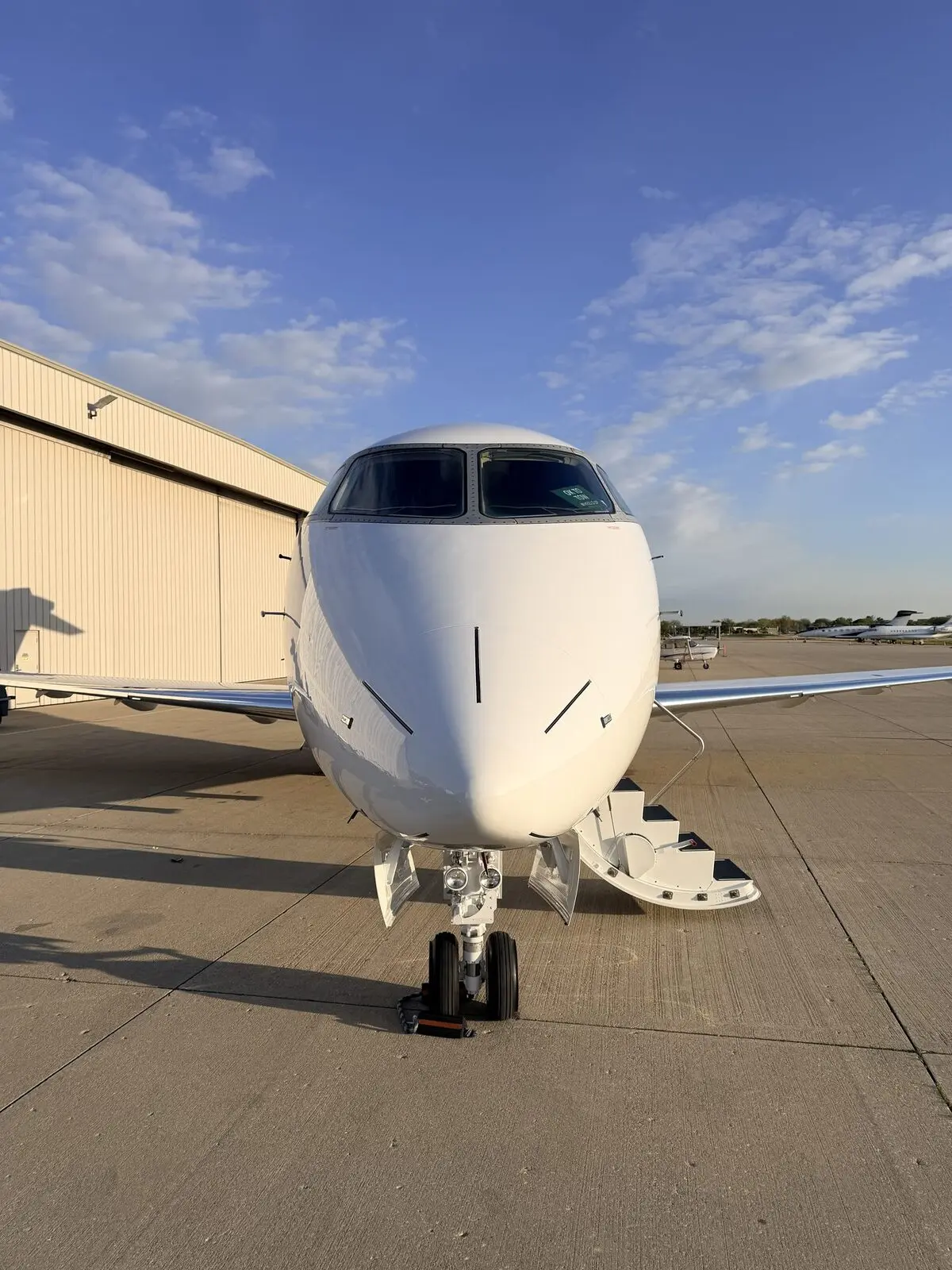
This Challenger 300 project at Chicago Executive Airport was a high-priority turnaround on a super-midsize business jet that needed to leave looking ready for a demanding professional eye. The scope combined exterior wash, interior detail, carpet extraction, cockpit reset, and final presentation work across the cabin. The practical objective was simple: return the aircraft cleaner, sharper, and more composed without slowing the operator’s next movement.
The Challenger 300 has a direct, purposeful identity in business aviation. It is not a small cabin aircraft dressed up as a larger jet. It is a true super-midsize platform with a wide cabin, swept wing, rear-mounted turbofans, and the kind of ramp presence that tells you it was built for serious executive and charter work. That same mission profile creates the detailing challenge. The aircraft can fly hard, turn quickly, and carry people who expect the cabin to feel controlled every time they step in.
This aircraft was being prepared for a chief-pilot movement, so the final standard mattered. We worked through the aircraft section by section, corrected the high-impact areas, and finished with a direct key handoff to the Chief Pilot, who thanked the crew personally for the attention placed into the aircraft.
Project Details
Initial Condition
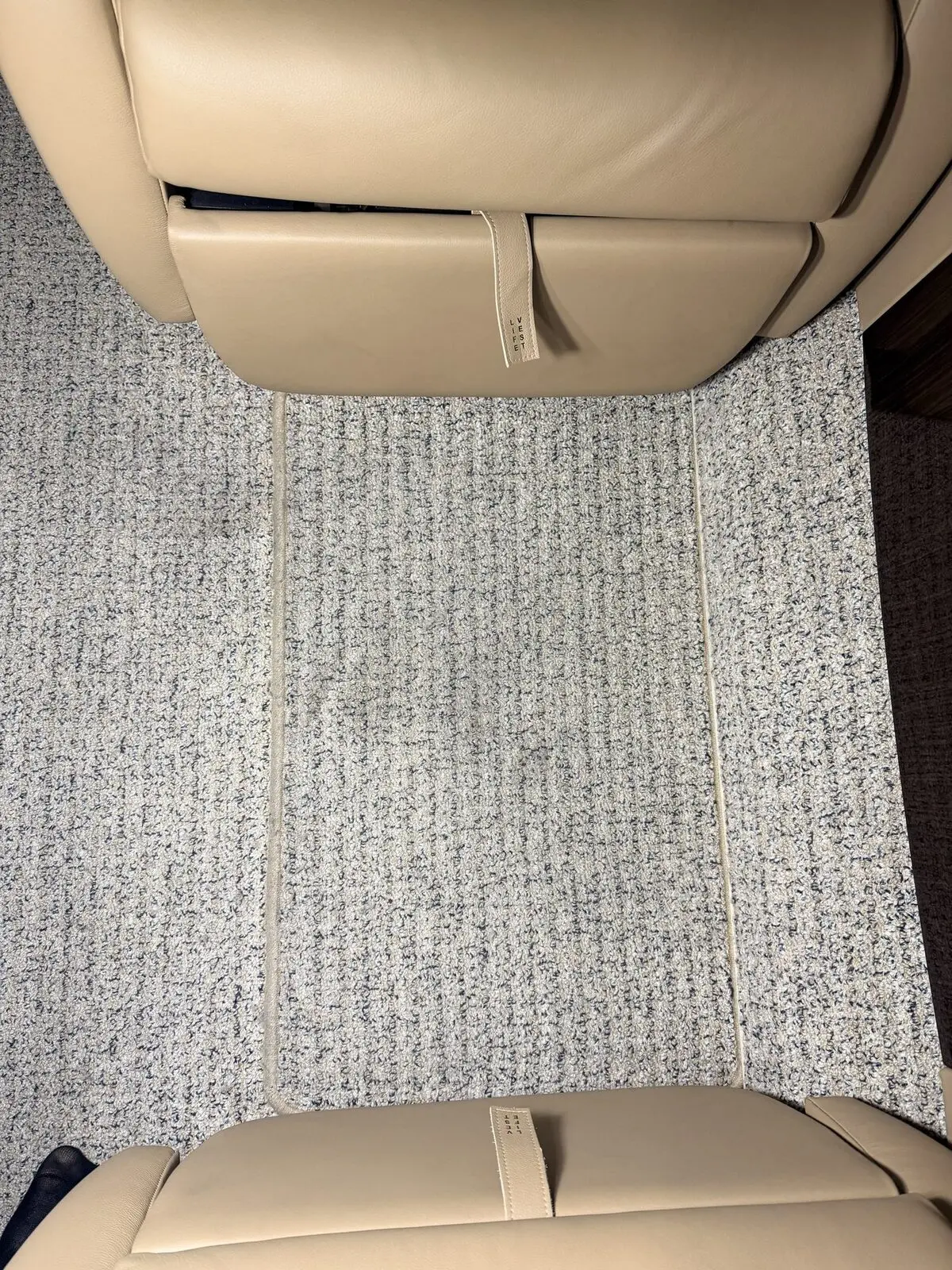
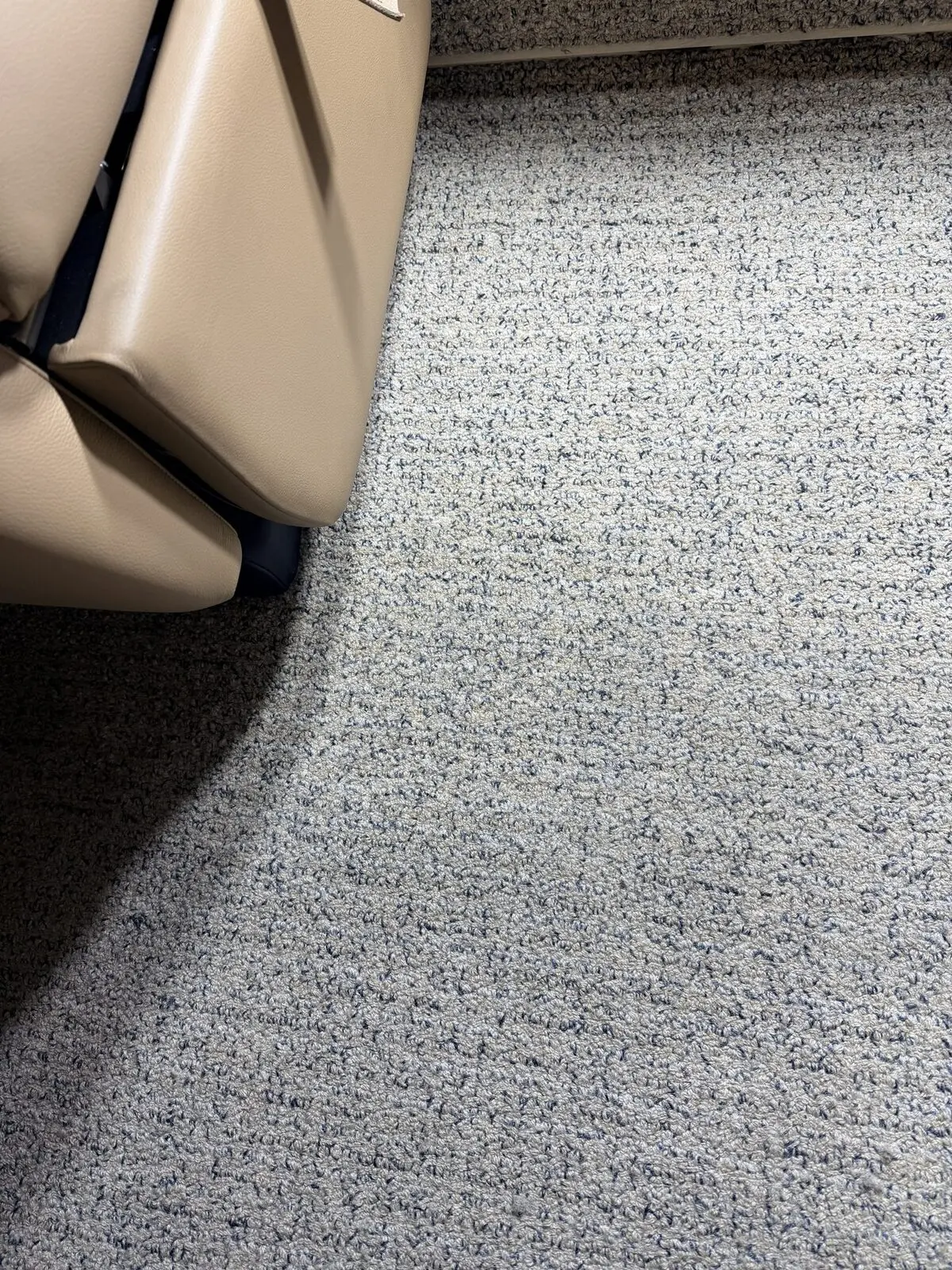
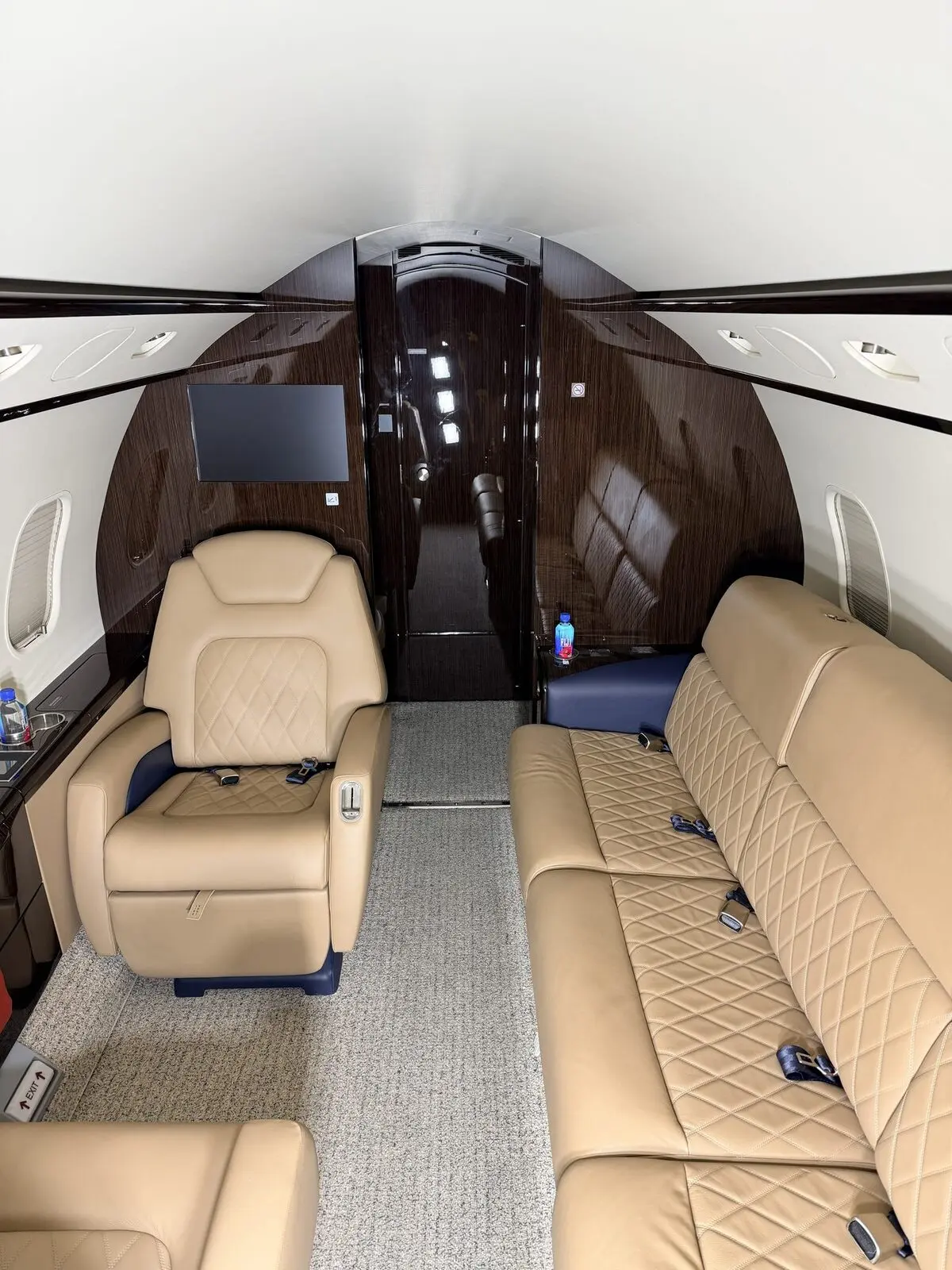
The aircraft showed normal high-use business aviation buildup. The cabin was not a restoration project, but it needed more than a fast wipe-down. Carpet staining was present in removable and fixed carpet areas, including under-seat zones, forward passenger seating areas, and an aft lavatory / cargo-door area. Loose carpet fiber, lint, and embedded material had collected in the floor system, sideboard carpet sections, under-seat areas, and tight gaps between furniture.
The cockpit also needed focused work. Footwells, side storage pockets, yokes, pilot seating, anti-reflective visors, cockpit glass, and small areas between seats all showed the kind of residue that pilots notice because they live in those spaces. The aircraft was being prepared for a chief-pilot departure, so the pilot-facing areas were treated as a priority without crossing into maintenance work.
The exterior wash also required adaptation. The service was completed in freezing-temperature conditions, which changes how an aircraft wash has to be managed. The goal was to improve exterior presentation while reducing the risk of wash solution freezing on aircraft surfaces. Cold weather does not change the standard; it changes the process.
Scope of Work Completed
- Exterior wash and presentation reset in freezing-temperature conditions
- Interior Level 2 cabin and cockpit detail
- Carpet extraction on removable and fixed carpet areas
- Stain correction on forward cabin, under-seat, and aft carpet zones
- Removal of loose fiber, lint, and embedded material from carpeted areas
- Cockpit vacuum, dusting, glass, visor, and flight-deck organization
- Conservative wipe-down around yokes, screens, avionics, controls, and labels
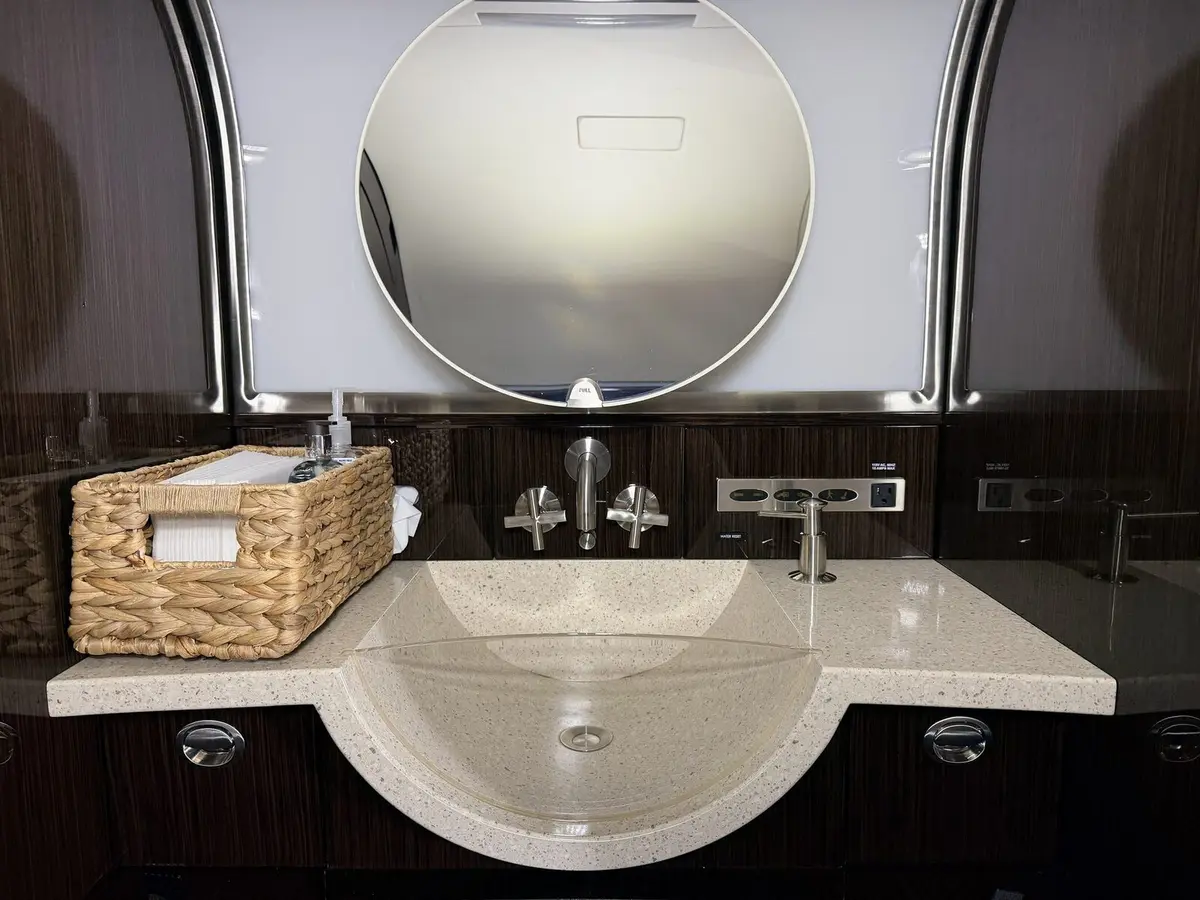
- Galley, lavatory, sidewall, seating, and cabin surface reset
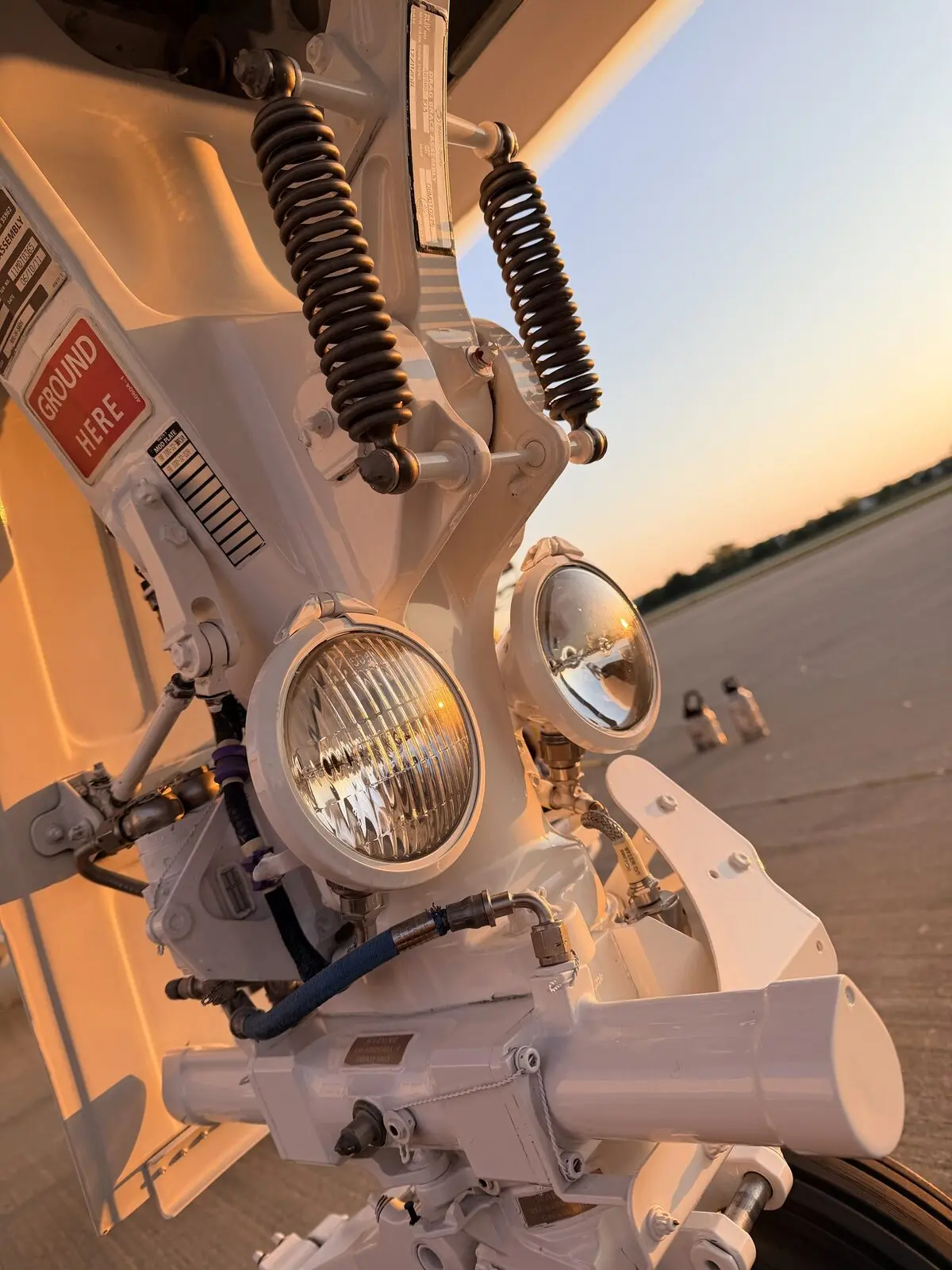
- Landing gear and pilot-inspection-area presentation attention
- Before-and-after photo documentation
- Direct final handoff to the Chief Pilot
Detailing Process
The work started with the exterior because the aircraft needed to present correctly on the ramp and because the cold conditions demanded controlled timing. In freezing overnight weather, wash chemistry, dilution, towel sequencing, dwell time, and surface monitoring matter more than they do on a mild day. The process had to stay deliberate so the aircraft could be cleaned without leaving solution to freeze on the exterior.
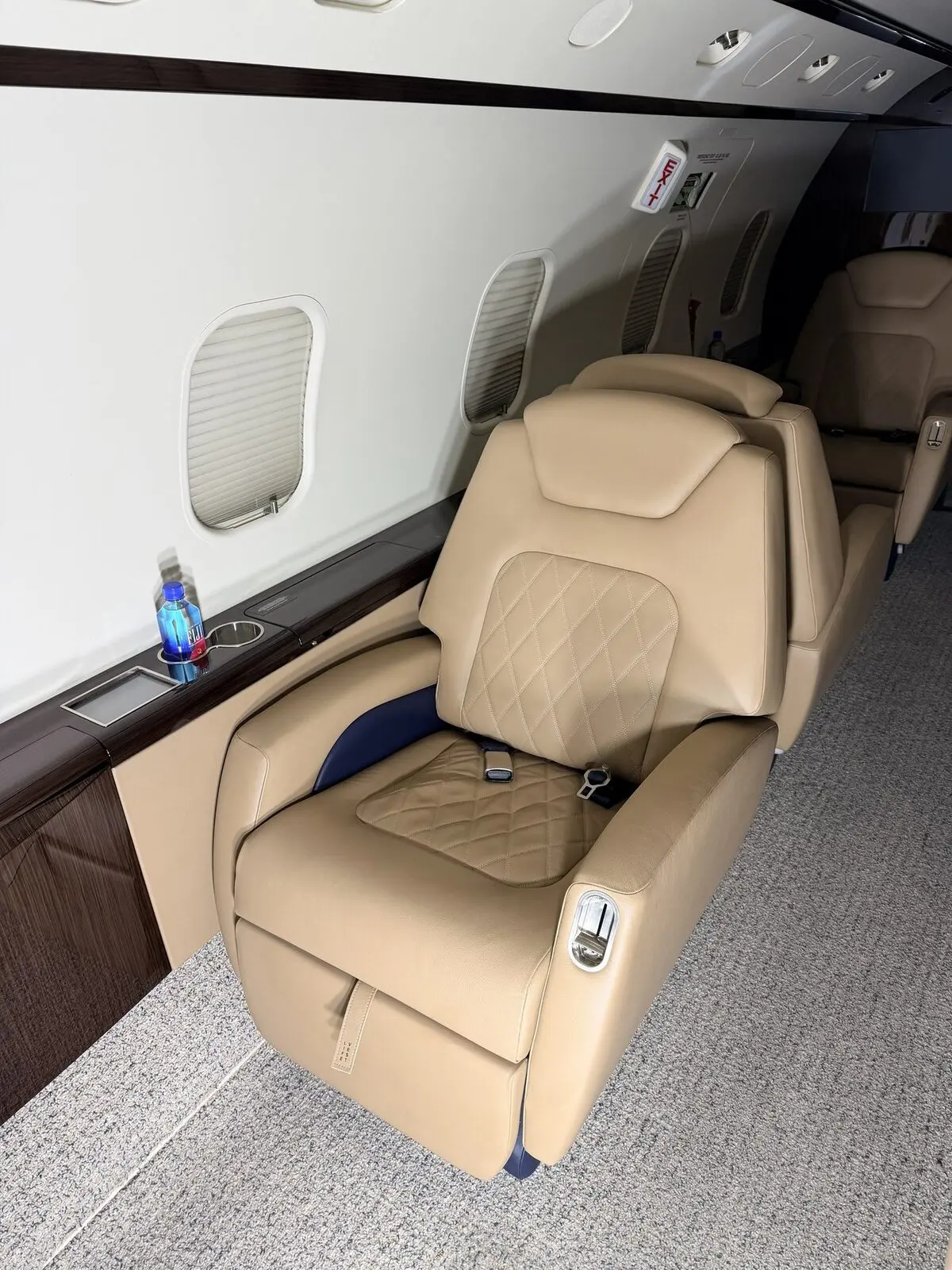
From there, the work moved into the cabin. The Challenger 300 gives passengers a wide, polished cabin, but it also creates a lot of detail-sensitive zones: seat bases, side ledges, fold-out areas, lower trim, sidewall carpet, removable carpet sections, forward cabin transitions, and aft utility areas. These are the zones that separate a real aircraft detail from a general cleaning pass.
The carpet work was staged in layers. Dry removal came first so loose fiber, lint, and embedded debris did not interfere with extraction. Stain treatment followed, then controlled extraction and reassessment. The removable carpets had the heaviest staining and responded well to the extraction process. The fixed carpet near the forward passenger seating area also required correction, as did a smaller aft stain near the lavatory / cargo-door area. Under-seat floor covers, tight gaps between furniture, and sideboard carpet were also addressed because those areas quietly hold material that later works back into the visible cabin.
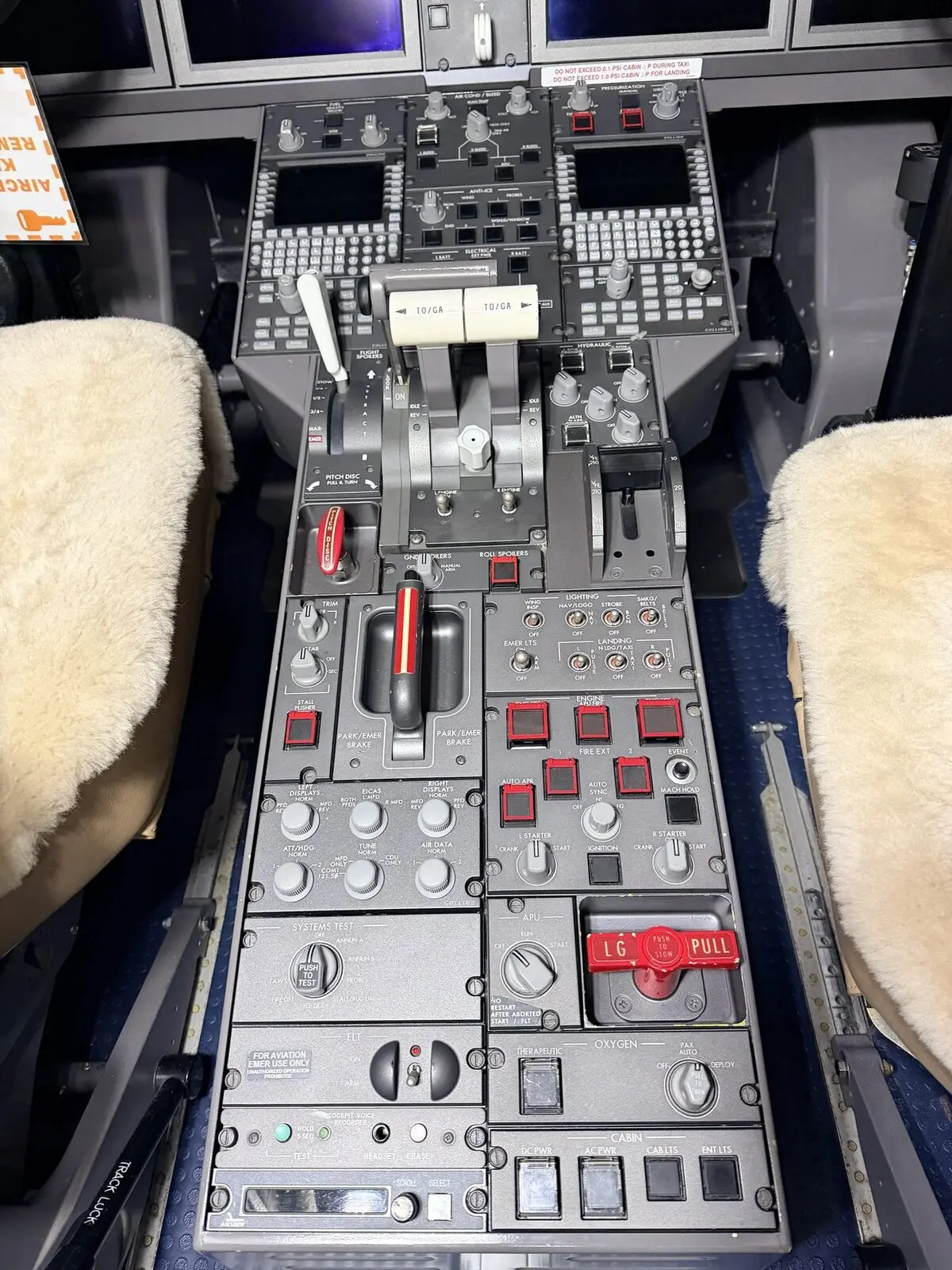
The cockpit was handled as its own work zone. Pilot areas are dense: screens, labels, switches, headsets, cables, laminated materials, yokes, glass, visors, seats, side storage, and footwells all sit close together. The correct approach is not heavy product use. It is controlled vacuuming, dry wiping where appropriate, careful glass and visor work, and clean organization. Headsets were reset, cables were organized, flight-check materials were cleaned and straightened, and pilot-facing surfaces were brought back to a more composed standard.
Aircraft-Specific Care Notes
The Challenger 300 is engineered for speed, range, and high-frequency executive movement. Its cabin is generous, but detailing it still requires aircraft-specific restraint. A super-midsize cabin gives more room to work than a light jet, yet the surfaces are still compact, expensive, and tightly integrated.
Aircraft windows require acrylic/polycarbonate-safe habits. Cockpit screens, switches, yokes, throttle controls, placards, and avionics should not receive direct liquid product application. Carpet extraction has to control moisture and avoid saturation. Seat-base and lower-trim cleaning has to respect moving hardware, rails, trim edges, and soft goods. Exterior work around landing gear and inspection areas should improve presentation without leaving residue that could interfere with the pilot’s walkaround.
This is where aircraft detailing differs from automotive detailing. The work is not just about making surfaces look cleaner. It is about improving presentation while staying aware of the aircraft’s operating environment, material limits, and next flight.
Final Result
The aircraft finished cleaner, sharper, and better organized across the cabin, cockpit, and exterior presentation areas. The removable carpets showed strong improvement after extraction. Forward and aft carpet staining was corrected. Lower and under-seat areas were cleaned where buildup had collected. Cockpit footwells, visors, glass, storage areas, yokes, seating, headsets, and cable organization were brought back to a pilot-ready standard.
The final moment mattered. The aircraft was not simply closed up after service. It was handed off directly to the Chief Pilot, who thanked the crew personally for the work and attention placed into the craft. That is the standard a high-priority turnaround should meet: clean aircraft, documented work, no disruption, and a final presentation that supports the operator’s next movement.
Recommended Next Step
For high-use Challenger 300 operations, carpet maintenance should be recurring rather than reactive. Removable carpet sections, under-seat zones, sideboard carpet, forward passenger seating areas, and aft utility areas should be inspected regularly so staining and fiber buildup do not require heavier correction later.
For freezing-weather exterior service, hangar access should be strongly preferred when timing allows. It improves safety, reduces wash-process risk, and protects both the aircraft and the schedule.
- Recurring under-seat and removable-carpet inspections
- Carpet panel extraction on a usage-based schedule
- Hangar-preferred exterior service in freezing conditions
- Cockpit reset paired with each interior detail
- Pre-departure presentation pass before chief-pilot movements